Across African mining pits, highway projects, and petroleum distribution networks, buyers often use fuel tanker and fuel bowser interchangeably. Both mount a baffled tank on a commercial chassis to haul diesel (AGO), petrol (PMS), or kerosene (DPK). In operation, however, sending a bulk tanker where a site needs metered field refuelling—or running a light bowser on long depot runs—erodes fleet utilisation and creates safety and fuel-reconciliation gaps.
Whether you manage open-pit mines in Ghana or Zambia, roadworks in Kenya or Tanzania, or wholesale distribution from coastal terminals in Nigeria, Zimbabwe, or South Africa, choosing well means matching tank architecture, pumps, driveline, and steering layout to the exact duty cycle. Below is a practical engineering comparison between a bulk fuel tanker truck and a mobile fuel bowser.
Core Difference: Bulk Fuel Transport vs On-Site Equipment Refuelling
The divide comes down to high-volume point-to-point haulage versus precision multi-asset field dispensing. Wheelbase, compartment layout, pump curve, and electrical protection all follow that core mission.
Bulk Fuel Tanker (Petrol Tanker / Gasoline Tanker)
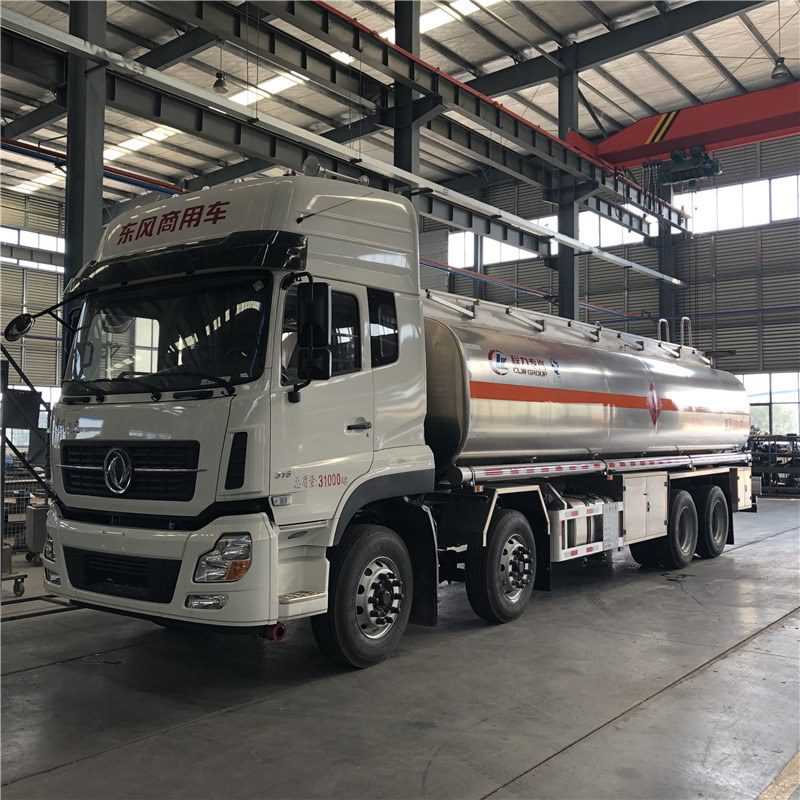
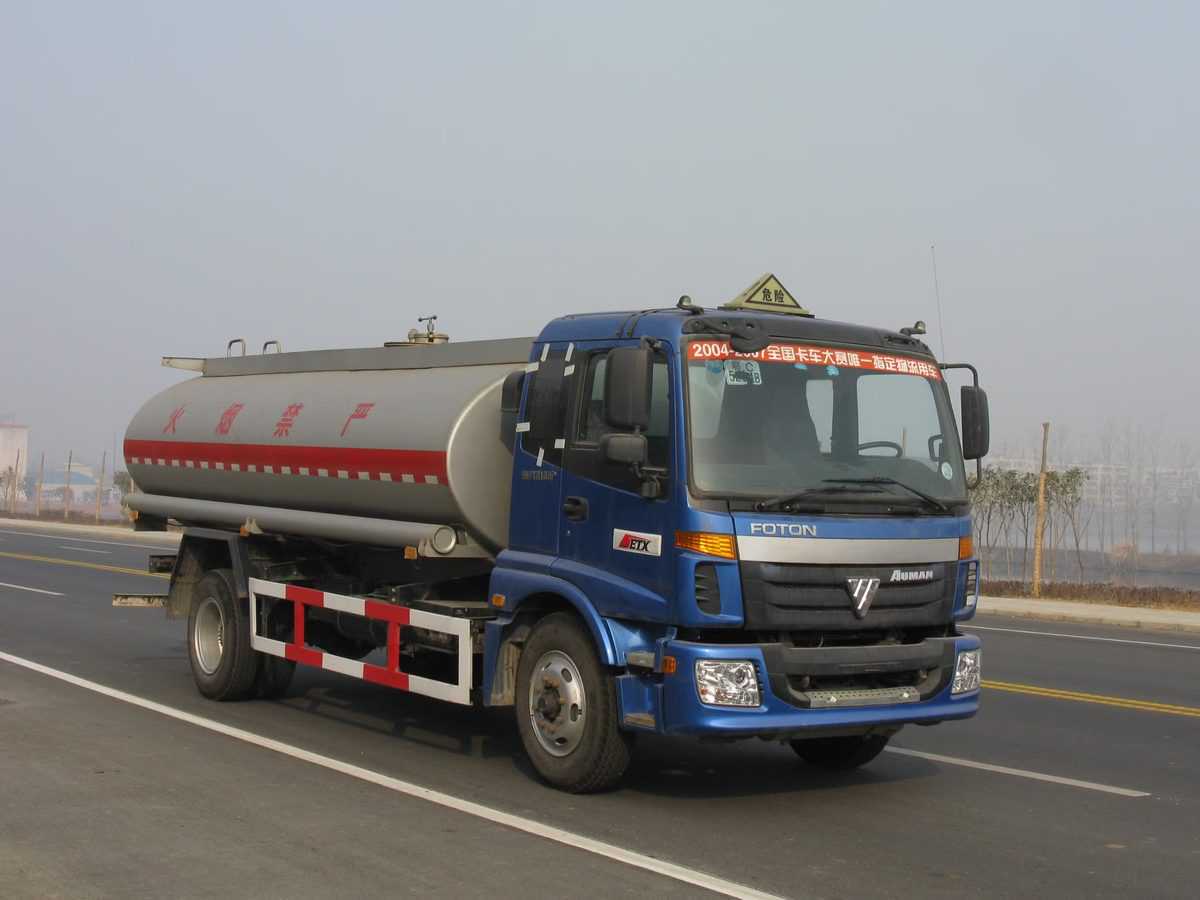
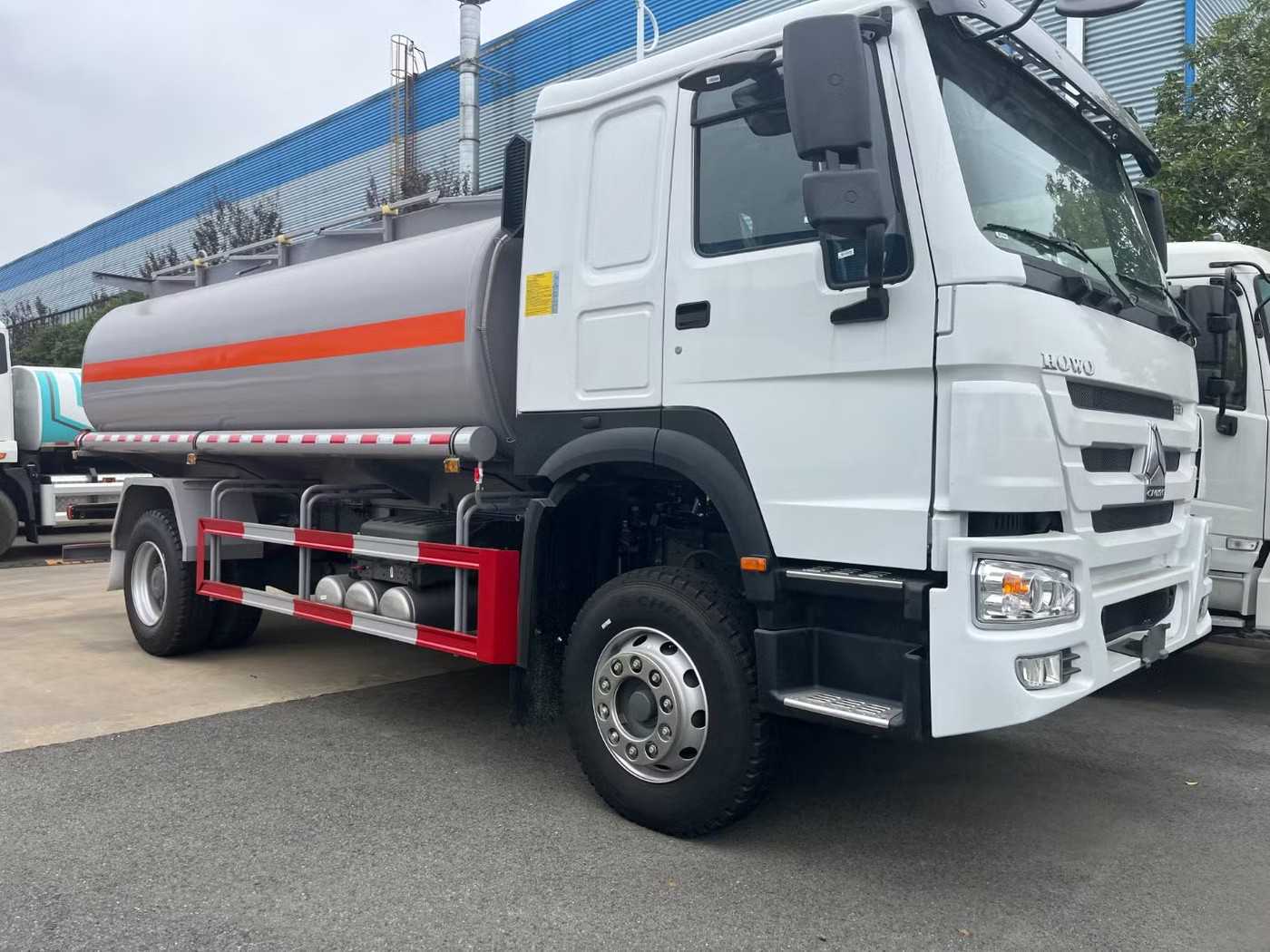
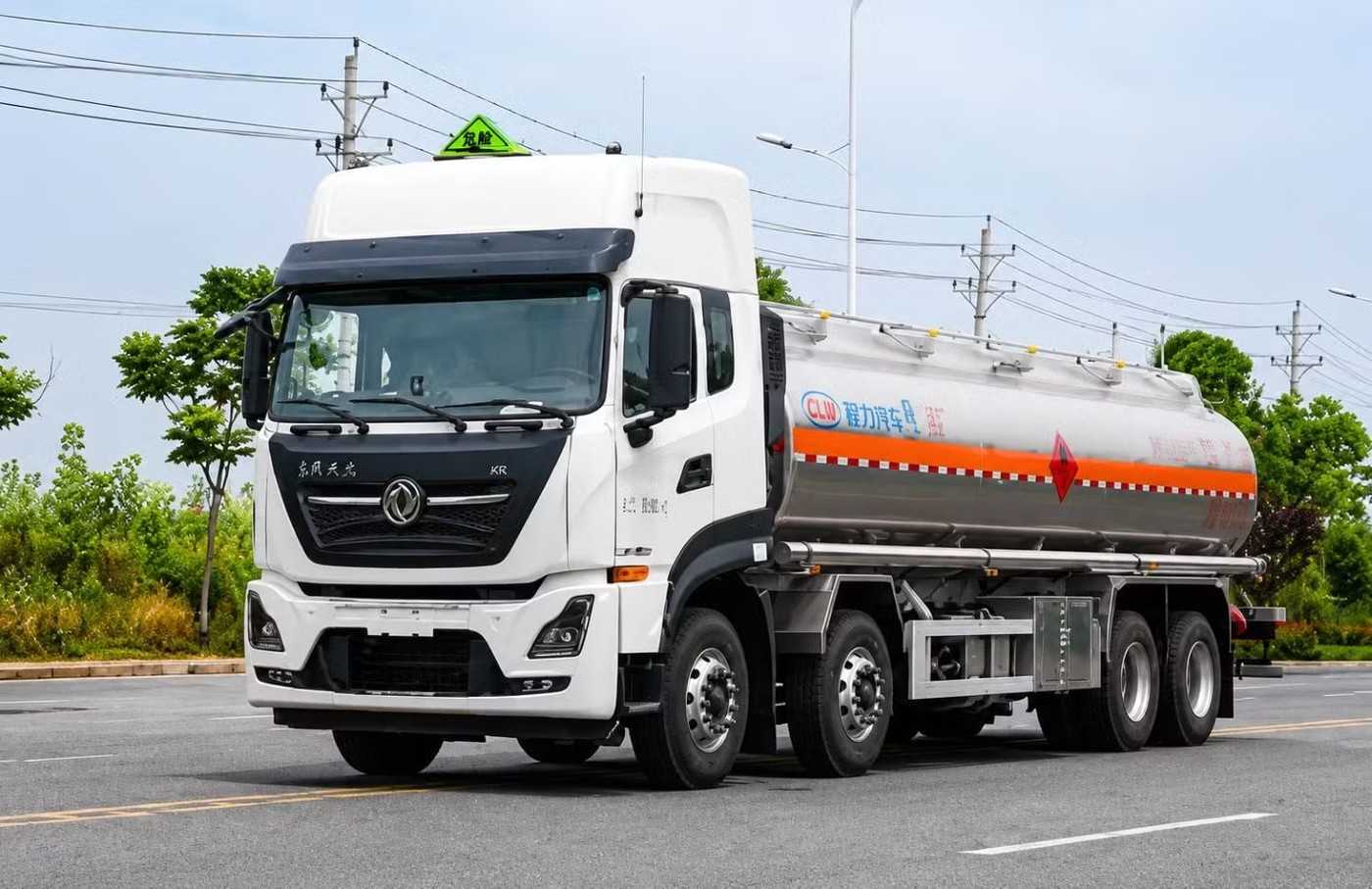
Commonly sourced across West, East, and Southern Africa as a petrol tanker or gasoline tanker, a bulk tanker hauls maximum legal payload from coastal terminals or inland depots to retail forecourts, commercial storage, or mine fuel farms. Rigid capacities typically span 12,000 to 30,000 litres (12–30 CBM).
Because depot turnaround drives weekly trips, bulk tankers prioritise rapid closed-loop loading and unloading. Multi-compartment shells (two to five sealed chambers with dished bulkheads) carry petrol and diesel together without cross-contamination. Beneath the shell, 3-inch or 4-inch API bottom-loading adaptors, pneumatic subsea emergency valves, vapour recovery lines, and overfill sensors speed loading at Apapa, Tema, Mombasa, Dar es Salaam, Beira, and Durban, paired with gravity discharge or high-flow PTO transfer pumps.
Mobile Fuel Bowser (On-Site Refuelling Truck)
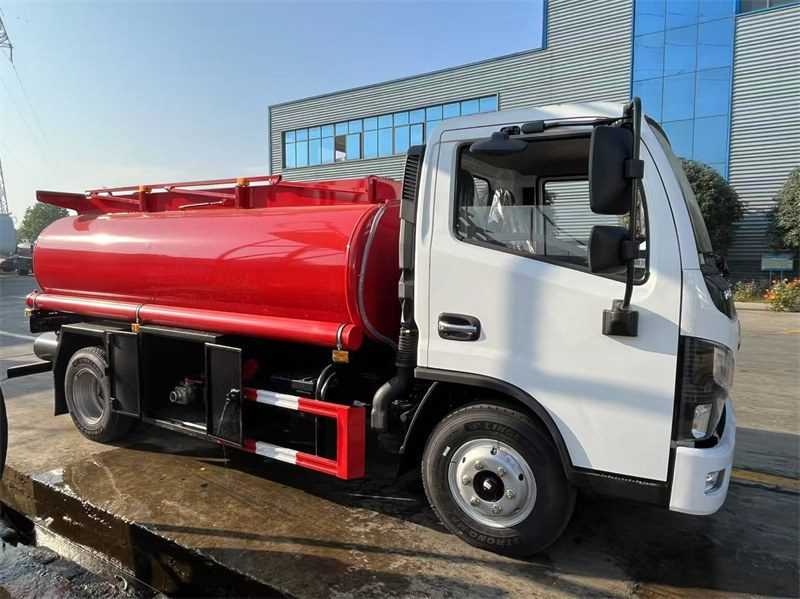
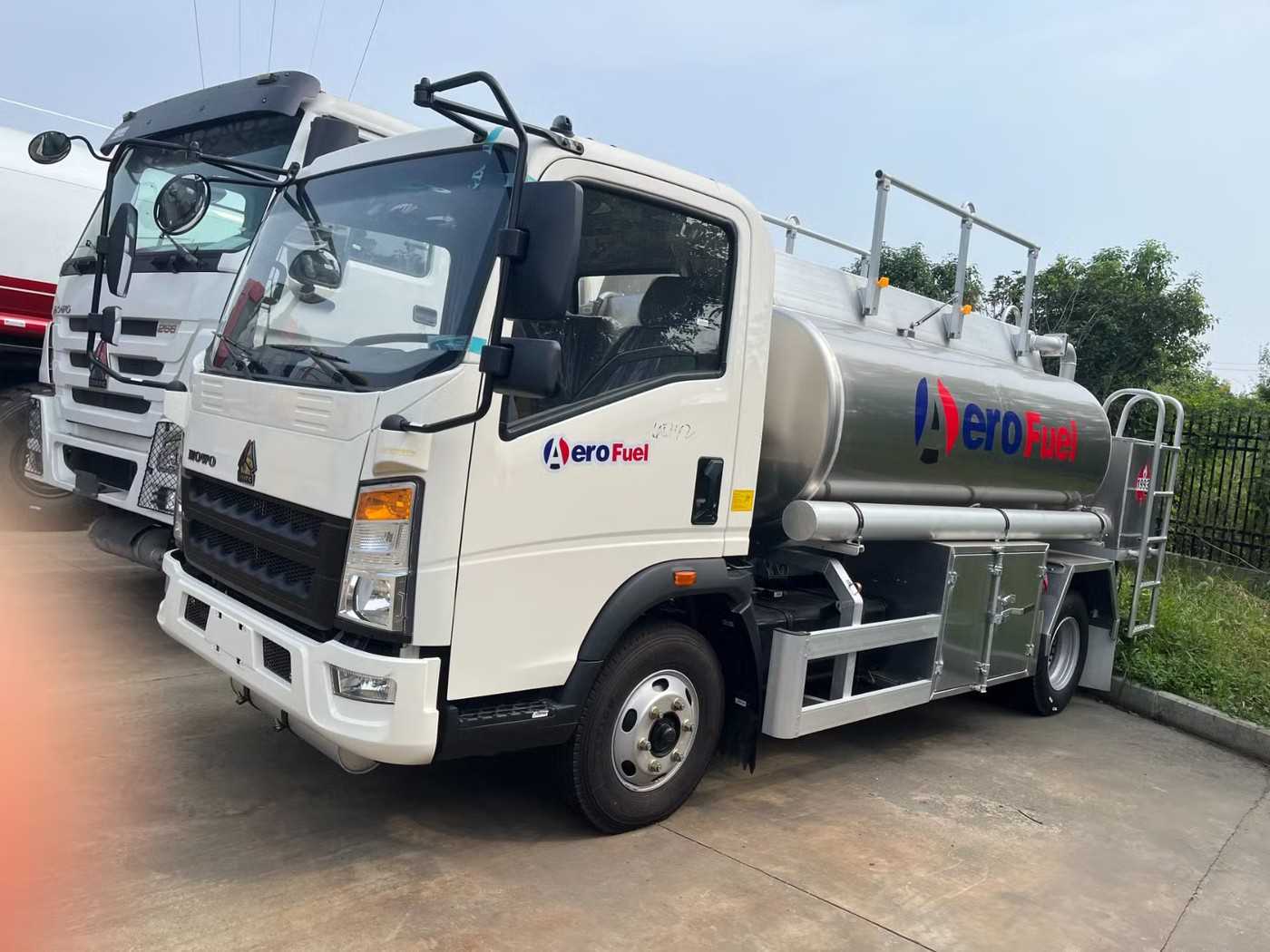
A mobile fuel bowser acts as a rolling service station. Rather than emptying 25,000 litres into one station tank, it drives directly to excavators, bulldozers, articulated dump trucks, drill rigs, loaders, and site generators to dispense metered fills of 80 to 1,500 litres per machine.
Capacities are therefore compact—typically 4,000 to 16,000 litres—giving a lower centre of gravity and tighter turning radius on steep pit ramps. Inside a lockable cabinet, a bowser pairs a calibrated dispenser (digital tax-controlled or mechanical) with a 15-metre automatic spring-rewind hose reel, auto-shutoff nozzle, water-separating filtration, and a self-priming PTO gear or sliding-vane pump tuned for steady, foam-free delivery.
Feature-by-Feature Comparison: Fuel Tanker vs Mobile Fuel Bowser
Verifying body and driveline hardware before production avoids costly local retrofits. Use the specification comparison below when evaluating factory quotations.
| Specification Area | Bulk Fuel Tanker (Petrol / Gasoline Tanker) | Mobile Fuel Bowser (On-Site Refuelling) |
|---|---|---|
| Primary Role | Depot-to-station and bulk terminal transport | Direct multi-machine refuelling on active sites |
| Typical Capacity | 12,000 L – 30,000 L (6x4 / 8x4); 2–5 compartments | 4,000 L – 16,000 L (4x2, 4x4, 6x4, 6x6); 1–2 compartments |
| Tank Shell | 4–5 mm Q235B carbon steel or 5083/5182 aluminium alloy | 4–5 mm Q235B carbon steel for rough-site impact & easy field repair |
| Pump & Flow Rate | PTO centrifugal/vane transfer pump (30–60 m³/h) + gravity discharge | PTO gear/vane pump (45–90 L/min nozzle flow; 120+ L/min mining option) |
| Metering System | Optional bulk oval-gear meter; gantry calibration & dipstick ullage | Tax-controlled digital dispenser or mechanical flow meter with ticket printer |
| Hose & Coupling | 3"/4" API bottom-loading couplers & heavy-duty discharge hoses | 15 m automatic spring-rewind hose reel (1"/1.25") + auto-shutoff nozzle |
| Explosion-Proof Kit | Pneumatic subsea valves, vapour recovery, grounding reel, front exhaust spark arrestor | 24V Ex-d explosion-proof dispenser motor/wiring, grounding reel, emergency cut-off |
| Chassis & Drive | 4x2, 6x4, 8x4 highway & heavy haulage; LHD or RHD | 4x2 urban/roadworks, 4x4 & 6x6 all-wheel-drive off-road; LHD or RHD |
| CLW Models | Dongfeng D9 Fuel Tanker, HOWO TX7 25–30 CBM 8x4 | Dongfeng DFRICA, Dongfeng Vasol DV3, Dongfeng D9 Bowser |
Pump Sizing, Filtration & Dispensing Speed
Under-sizing nozzle flow is a costly mistake on mining bowsers. Standard 45–60 L/min dispensers suit pickups, tractors, gensets, and 20-tonne excavators, but filling a 900-litre haul-truck tank at 50 L/min idles productive machinery for nearly 20 minutes. Heavy earthmoving fleets should specify a 90–120 L/min high-flow circuit—or dual reels pairing a 1-inch nozzle with a fast-fill mining coupling—plus 10-micron particulate and water-coalescing filters to protect common-rail injectors from contaminated fuel.
Explosion-Proof Protection & Tropical-Dust Engineering
Any unit handling petrol (gasoline) demands strict ignition control: 24V Ex-d explosion-proof dispenser motors and junction boxes, copper tank-to-chassis bonding, a retractable static-grounding reel, a forward exhaust with spark arrestor, and a cab battery isolator. In 42°C+ ambient mining heat and abrasive laterite dust, specify oversized tropical radiators, dual-stage cyclonic or oil-bath air pre-cleaners, reinforced leaf springs, and gasket-sealed dispenser cabinets as outlined in our tropical and dust-proof design standards.
Best Use Cases Across African Mining Sites, Depots & Fleets
Matching truck type to terrain, shift patterns, and local axle rules prevents both capital overspend and daily operational delays.
1. Mining Pits, Quarries & Road Construction: Choose a Mobile Fuel Bowser
Tracked excavators, crawler dozers, and blast-hole drills cannot tram back to a static tank without accelerating undercarriage wear and burning shift hours. A dedicated mobile fuel bowser delivers filtered, metered diesel directly to each machine during shift handovers.
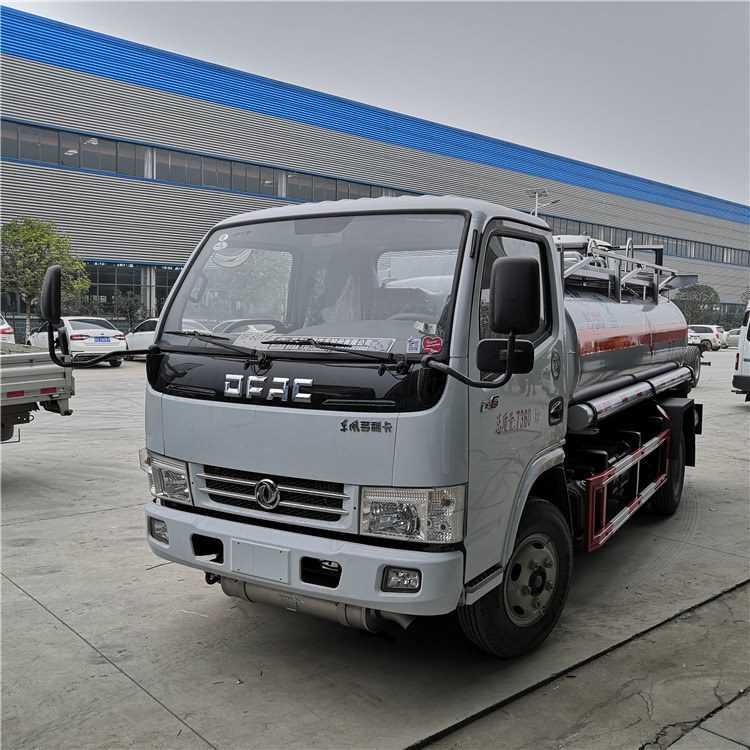
- Quarries, municipal works & telecom genset routes: Compact 4x2 bowsers like the Dongfeng DFRICA Fuel Tank Truck and Dongfeng Vasol DV3 Fuel Tank Truck manoeuvre narrow urban job sites and generator compounds with low fuel burn and wide spare-parts support.
- Highway earthworks & active mines: Mid-to-heavy units such as the Dongfeng D9 Fuel Bowser carry 10,000 to 15,000 litres—enough to service 15 to 25 heavy machines per shift without returning to bulk storage.
2. Oil Depots to Retail Stations & Regional Haulage: Choose a Fuel Tanker
When revenue depends on litres moved per kilometre between terminals and service stations, a pure bulk petrol tanker or gasoline tanker removes dispenser tare weight and maximises legal payload.
- Urban forecourts & secondary towns: Where congested city approaches in Lagos, Nairobi, Accra, or Harare restrict semi-trailers, a rigid Dongfeng D9 Fuel Tanker Truck delivers multi-compartment petrol and diesel cleanly.
- High-volume regional & cross-border runs: Heavy four-axle rigids like the HOWO TX7 25–30 CBM 8x4 Fuel Tank Truck maximise bulk volume while distributing weight across four axles for strict corridor weighbridges.
3. Remote Exploration Camps & Off-Grid Convoys: Choose 4x4 or 6x6 All-Wheel Drive
Rainy-season mud, laterite ruts, and river crossings stop conventional 4x2 and 6x4 trucks kilometres from remote drill camps or aid bases. Specifying hub-reduction axles, inter-axle and cross-axle differential locks, high ground clearance, and off-road tyres—proven in our UN Dongfeng 6x6 all-wheel-drive tank trucks project—keeps fuel supply uninterrupted across austere terrain.
ECOWAS and Francophone markets (Nigeria, Ghana, Cote d’Ivoire, Senegal, DRC, Cameroon) mandate Left-Hand Drive (LHD), while EAC and SADC corridors (Kenya, Tanzania, Uganda, Zambia, Zimbabwe, South Africa) mandate Right-Hand Drive (RHD)—confirm steering upfront via our LHD & RHD options. Also align engine emission tier to local diesel quality: where high-sulphur fuel persists at remote sites, robust Euro II or Euro III platforms prevent injector and after-treatment downtime compared with sulphur-sensitive Euro V systems; review our emission chassis options before ordering.
Fuel Theft Prevention, Reconciliation & Digital Metering Options
Fuel represents 35% to 50% of mobile fleet operating cost across Africa, and pilferage or unrecorded dispensing can quietly erase 5% to 15% of monthly fuel budgets. Factory-integrated security closes those leaks from day one.
Physical Anti-Tamper Hardware
- Anti-theft lockable manhole covers: Reinforced domes with recessed padlock shrouds and wire-seal lugs block unauthorised overnight top-hatch siphoning.
- Lead-sealable valves & cabinets: Drilled sealing ears on API outlets, gravity valve handles, and side dispenser doors allow numbered lead or wire seals for verifiable depot-to-site chain of custody.
- Anti-siphon screens & shrouded drains: Weld-in perforated screens beneath fill hatches stop siphon hoses reaching tank bottoms, while locked sump valves prevent slow overnight drains.
Digital Metering, Receipt Printers & Telemetry Readiness
While mechanical flow meters remain dependable in austere camps, fleet operators increasingly specify digital tax-controlled or fleet-managed dispensers offering:
- Thermal ticket printers: Print timestamped receipts after every fill showing exact litres, shift total, date, and machine ID—eliminating manual logbook disputes.
- Preset litre shut-off: Supervisors authorise a fixed litre quota per asset so dispensing halts automatically at target volume.
- Sealed totalisers & GPS level-sensor bosses: Combining tamper-sealed oval-gear flow meters with ultrasonic or capacitive tank-level sensor mounts enables real-time stationary fuel-drop alerts inside your existing fleet GPS portal.
Evaluating fuel trucks strictly on FOB factory price creates costly surprises at destination ports. Total landed cost into Apapa, Tema, Mombasa, Dar es Salaam, Beira, or Durban hinges on ocean freight by cubic metre (Ro-Ro vs bulk carrier), marine insurance, duties, and mandatory pre-shipment conformity inspections (KEBS PVoC, TBS PVoC, SONCAP, or destination roadworthiness). Exceeding EAC, ECOWAS, or SADC axle-load rules also forces partial loads or heavy fines. Confirm gross axle ratings and compliance paperwork before build start via our import compliance and payment & shipping guides.
Quick Decision Guide & Total Cost of Ownership Factors
Match your operating profile to the recommended vehicle class, capacity, and factory add-ons below before requesting a build sheet.
| Operating Scenario | Recommended Type | Volume & Drive | Essential Add-Ons | CLW Reference Models |
|---|---|---|---|---|
| Mining pit or quarry (excavators, dozers, rigs) | Mobile Fuel Bowser | 10,000–16,000 L; 6x4 or 6x6 | 90–120 L/min circuit, 15 m rewind reel, 10-micron water separator, digital dispenser + printer | Dongfeng D9 Bowser; 6x6 off-road bowser |
| Roadworks, municipal & telecom gensets | Mobile Fuel Bowser | 5,000–10,000 L; 4x2 or 4x4 | 50–60 L/min dispenser, 15 m reel, anti-theft manhole lock, ticket printer | Dongfeng DFRICA; Dongfeng Vasol DV3 |
| Urban retail petrol station supply | Bulk Fuel Tanker (Petrol / Gasoline Tanker) | 10,000–15,000 L; 4x2 or 6x2 | 2–3 compartments, API bottom loading, vapour recovery, subsea valves, Ex-d kit | Dongfeng D9 Fuel Tanker |
| Regional depot-to-depot bulk haulage | Heavy Bulk Fuel Tanker | 25,000–30,000 L; 8x4 rigid | 3–5 compartments, aluminium alloy option, overfill sensors, weighbridge-balanced axles | HOWO TX7 25–30 CBM 8x4 |
| Remote exploration & humanitarian corridors | All-Wheel-Drive Tanker / Bowser | 8,000–15,000 L; 4x4 or 6x6 AWD | Diff locks, hub-reduction axles, dual transfer + 15 m reel, tropical cooling | UN Dongfeng 6x6 AWD Tank Truck |
Price Drivers & Operational ROI
Evaluate build options by FOB cost, CIF landed cost, and five-year ROI rather than headline litres alone. Key factory price drivers are chassis tier and drive formula (4x2, 6x4, 8x4, or 6x6 AWD), shell material (carbon steel vs aluminium alloy), compartment count, API bottom-loading/vapour-recovery kits, and digital receipt-printing dispensers versus mechanical meters. CIF totals also reflect Ro-Ro or bulk-vessel CBM freight, marine insurance, and pre-shipment inspection coordination.
On active mines, a well-specified bowser quickly recovers its hardware cost: saving 25 minutes of refuelling delay across ten machines reclaims over four productive hours daily, while sealed manholes and printed tickets cut shrinkage. For fuel marketers, a weighbridge-balanced 8x4 tanker avoids partial-load fines and speeds depot turnaround. Final pricing is issued in a written quotation based on chassis, tank spec, steering side, and destination port. Review our how-to-buy guide, tender support, and factory certificates (factory management documentation is separate from destination-country pre-shipment vehicle approvals).
Frequently Asked Questions
Can a mobile fuel bowser carry and dispense petrol (gasoline), or only diesel?
Yes, when built for Class 3 flammable liquids. Petrol duty requires 24V Ex-d explosion-proof dispenser motors and wiring, pneumatic subsea valves, a forward spark-arrestor exhaust, antistatic hose and grounding reel, and vapour recovery where depots require it. Specify diesel-only, petrol-only, or multi-compartment use upfront.
How do African weighbridge axle rules affect fuel tank size?
Fuel density (~0.74 kg/L petrol; ~0.84 kg/L diesel) plus steel tare weight approaches legal axle ceilings in Kenya, Tanzania, Nigeria, Ghana, Zambia, Zimbabwe, and South Africa. Typically, 4x2 fits 5,000–10,000 L, 6x4 fits 15,000–20,000 L, and 8x4 handles 25,000–30,000 L; aluminium alloy shells increase legal payload under strict weighbridges.
Which spare parts should a remote fleet order with a new fuel bowser?
Bundle a 12-month wear kit inside the shipment: 10-micron fuel/water filter elements, pump seals and vanes, a spare automatic nozzle and swivel, hose-reel spring/seal kit, printer paper rolls, plus engine air, oil, and diesel filters for your chassis (Dongfeng, SINOTRUK HOWO, FAW, or Shacman).
How are inspection and shipping handled for LHD and RHD trucks from China?
Every tank undergoes hydrostatic pressure, air-tightness, weld NDT, and pump flow testing with video verification before dispatch. Where required (SGS, Bureau Veritas, or Intertek PVoC/SONCAP), our export team coordinates pre-shipment inspection before Ro-Ro or bulk-vessel sailing to Apapa, Tema, Mombasa, Dar es Salaam, Beira, or Durban.
Request a Tailored Fuel Tanker or Bowser Specification
Send your operating details to our African fleet engineers for a matched chassis layout, axle-load check, and FOB/CIF quotation within 24 hours:
- Duty & Fuel: Bulk depot haulage (petrol/diesel) or on-site mobile bowser, plus compartments.
- Volume & Drive: Target capacity (5,000 L, 12,000 L, or 25,000–30,000 L) and drive (4x2/6x4/8x4 or 4x4/6x6).
- Port & Steering: Country, discharge port (Mombasa, Dar es Salaam, Apapa, Tema, Beira, Durban), and LHD/RHD.
- Metering & Security: Digital printer dispenser vs mechanical meter, 15 m reel, API bottom loading, and anti-theft locks.
- Chassis & Emissions: Preferred brand (Dongfeng, HOWO, FAW, Shacman) and emission tier (Euro II–V).