
CBU
Complete vehicle
The complete vehicle is the shipment basis.
Plan destination clearance, inspection, registration and handover.
CKD / SKD LOCAL ASSEMBLY
Discuss the vehicle family, kit scope and local assembly capability before selecting a shipping format. Bring the production, quality, training and destination requirements into one project plan.
Compare the project scopesChengli’s truck and body manufacturing provides the starting point for a local-assembly discussion. Define the project vehicle and the proposed division of work before committing to a kit programme.
VEHICLE · KIT · FACILITY · QUALITYCHOOSE THE DIVISION OF WORK
These are planning descriptions. The bill of materials, packing list and assembly process define what is shipped and what the local operation must complete.
The complete vehicle is the shipment basis.
Plan destination clearance, inspection, registration and handover.
Larger preassembled modules form part of the agreed shipment.
Define which joining, installation, adjustment and checking tasks are completed locally.
More separate parts and subassemblies form the agreed kit.
Define the production sequence, assembly equipment, quality controls and final vehicle release.
The labels alone do not establish customs classification, tax treatment, the degree of disassembly or a fixed equipment package. Agree those details for the destination and the actual kit.
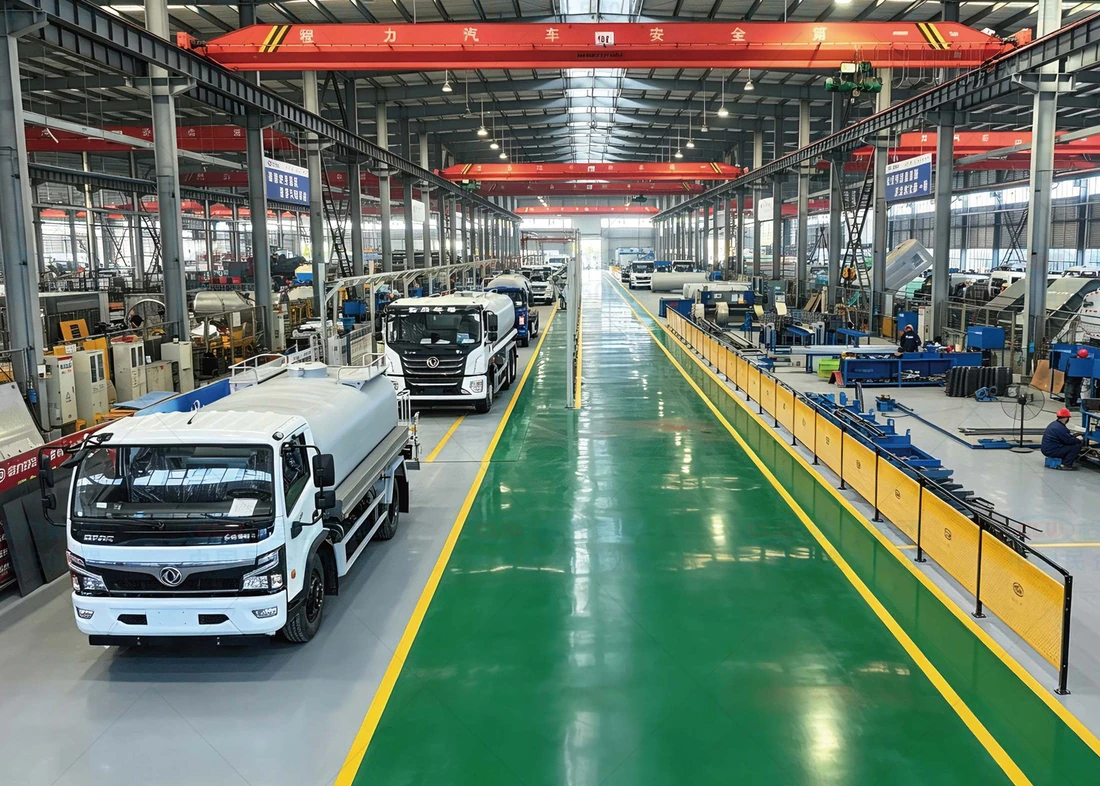
MANUFACTURING TO PROJECT SCOPE
A kit plan should connect factory preparation and packing with receiving, storage, local assembly and inspection. Identify each responsibility and the evidence needed to release the completed vehicle.
PROJECT DEVELOPMENT
Build the proposal in stages so tooling, packing and training follow the agreed vehicle. Put the acceptance criteria and responsible parties into the project documents.
State the target market, vehicle family, intended duty, forecast volume and proposed assembly location. Compare the complete-vehicle option with a local-assembly route.
A vehicle brief and project assumptions.Identify receiving and storage space, lifting equipment, fixtures, utilities, skilled personnel and any welding or finishing operations in scope.
A division of work and facility requirements.Set the parts list, drawings, assembly instructions, inspection points, training, spare parts and responsibilities for chassis, body and final vehicle.
A technical and quality plan.Agree a pilot build and its checks before a repeat programme. Review assembly fit, functional tests, records and the relevant destination approval path.
First-build records and an agreed release decision.Coordinate kit identification, packing, damage reporting, replenishment, engineering revisions and support for the completed vehicles.
A supply, traceability and service plan.PARTNER PREPARATION
Use this checklist to organise an initial discussion. It is a preparation aid; project acceptance and the commercial package are agreed separately.
Email the project briefInclude kit supply, freight and packing, customs treatment, local facilities, tooling, labour, quality checks, training and working stock. Any incentive or tariff treatment must be established for the destination and project. Record the commercial basis and responsibilities in the agreed proposal.
Review payment & shipment planningBUYER QUESTIONS
No. The applicable tariff classification, incentive eligibility and destination rules must be established for the actual kit and project. Include local assembly and quality costs when comparing the options.
Agree the bill of materials, parts supplied, local operations, drawings, instructions, training, inspection and spare-parts responsibilities for the chosen vehicle. The CKD or SKD label alone does not define the package.
Yes. Describe the proposed site, available equipment, workforce, vehicle families and volume forecast. The discussion can then identify the scope and the preparations needed for a project proposal.