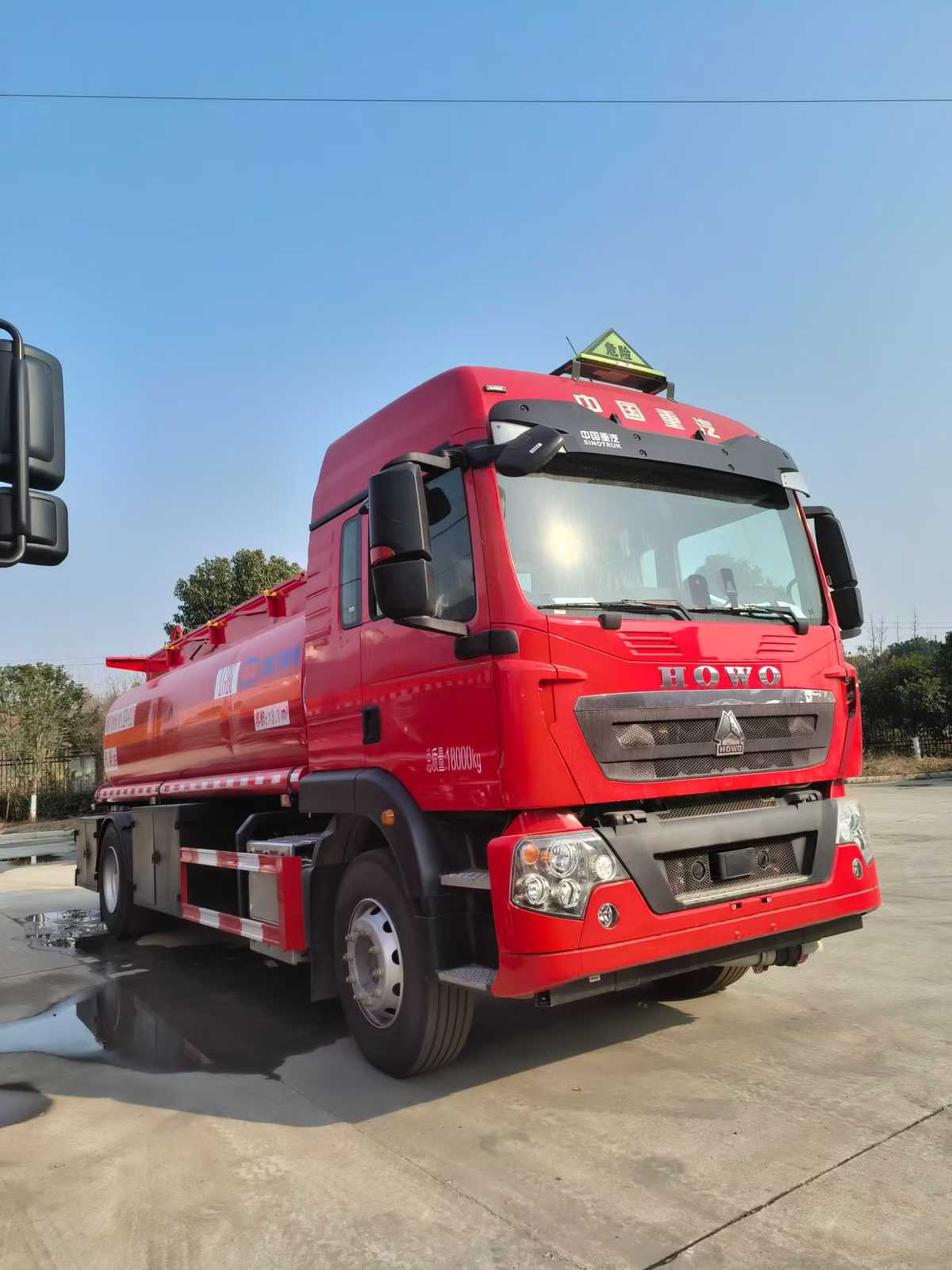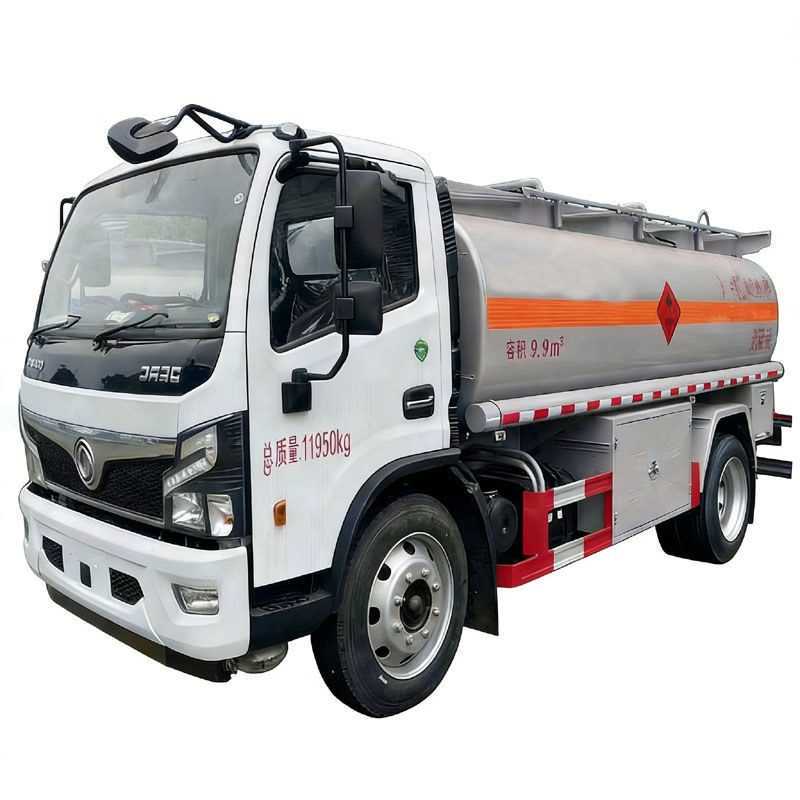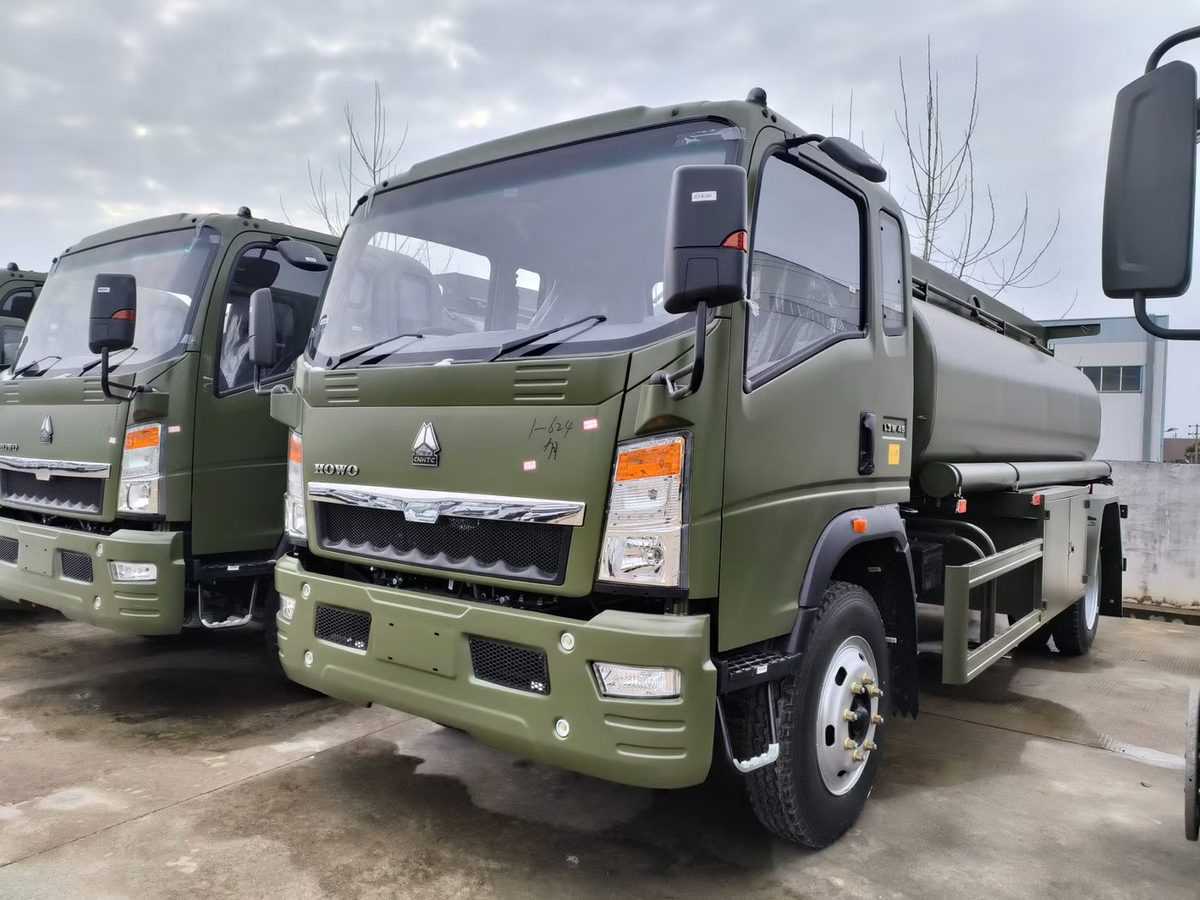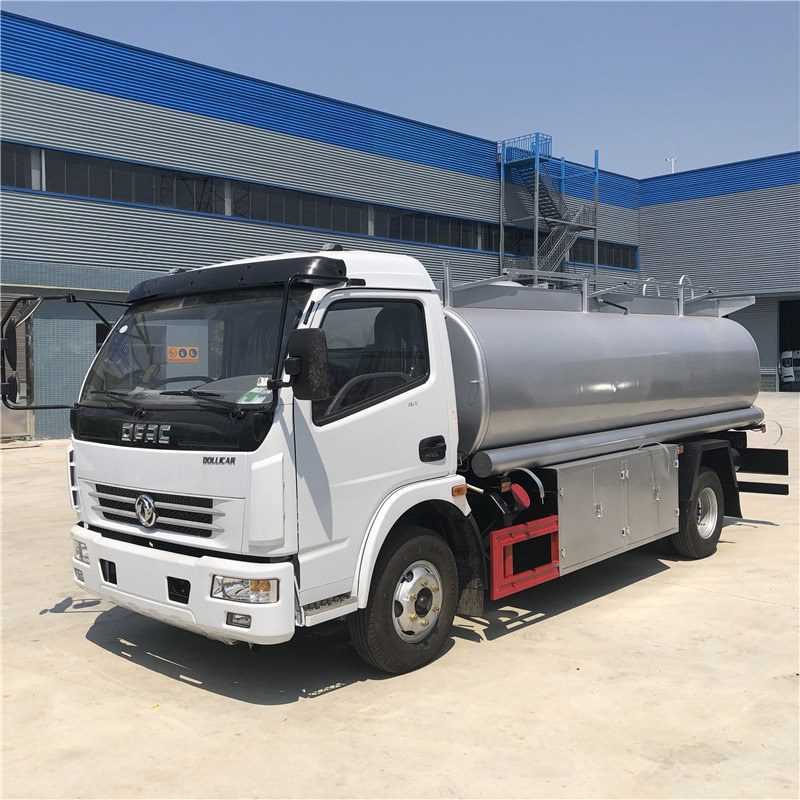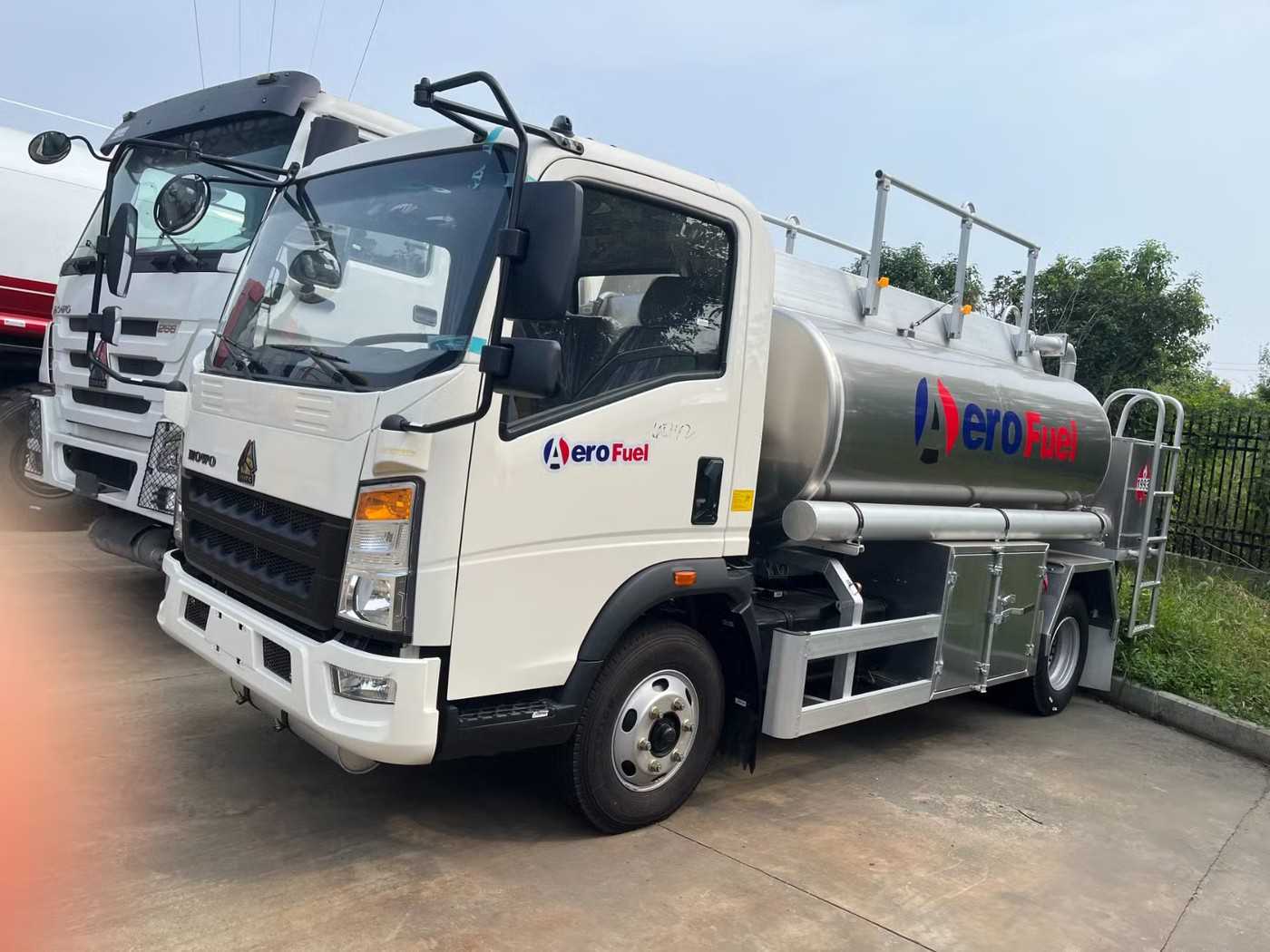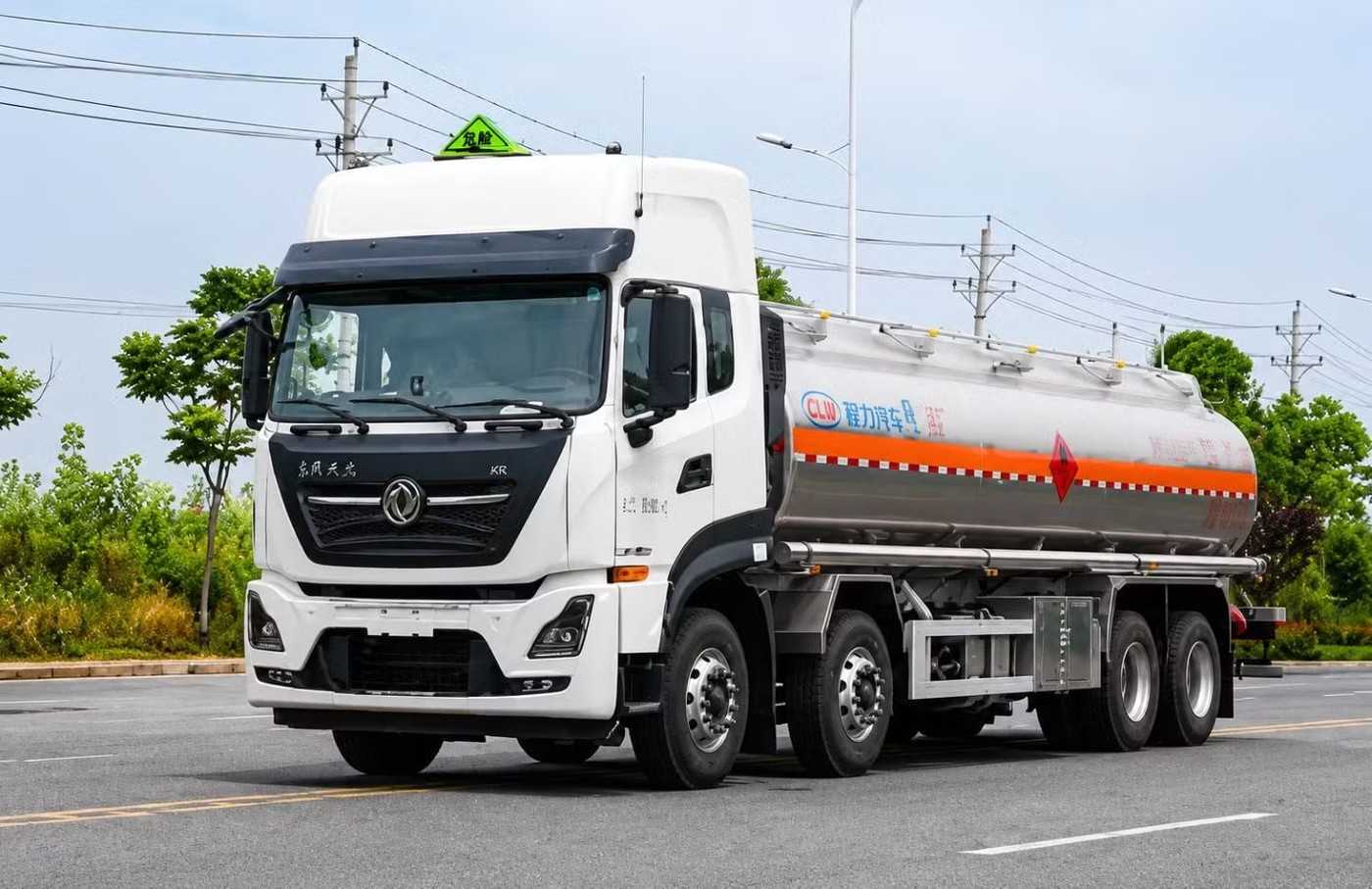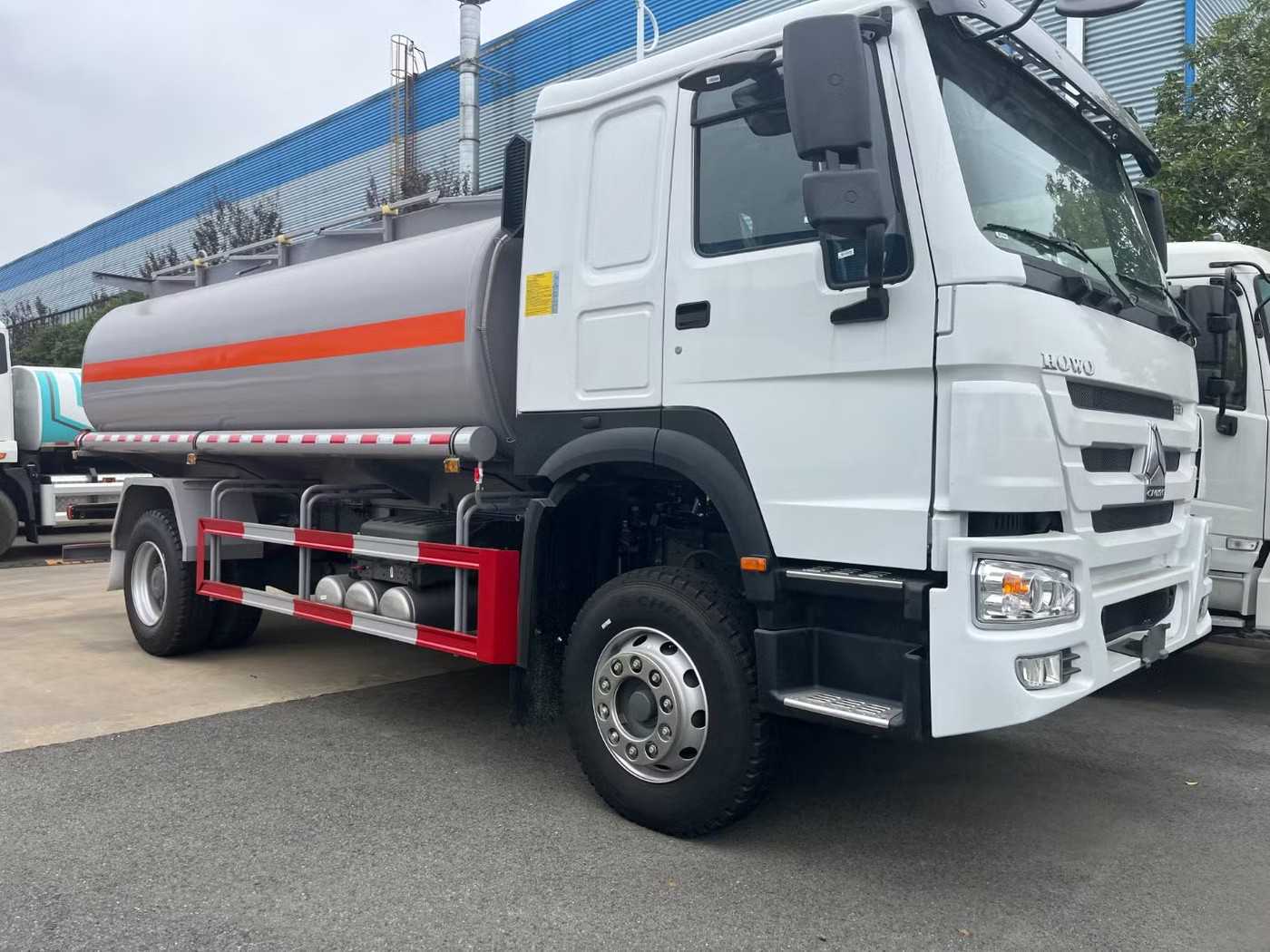
Across West and East Africa, fuel marketers and contractors rarely struggle to collect truck quotes—the challenge is understanding why two offers for the same capacity diverge sharply. Whether you are checking a fuel tanker price in Ghana for Tema-to-Kumasi hauls, budgeting for a 20,000L bulk diesel tanker out of Lagos depots, or sourcing a mobile fuel bowser in Kenya and Tanzania, headline numbers mean little until every engineering layer is unpacked.
A basic top-loading carbon-steel truck cannot be compared with a multi-compartment, European-standard bottom-loading unit built for oil-marketing terminals and highway weighbridges. This guide breaks down the full cost structure of a factory-direct fuel tanker truck and fuel bowser truck—noting that final pricing always follows a written quotation matched to chassis spec, tank metallurgy, steering layout, safety gear, and discharge port.
Why Two 20,000L Fuel Tankers Can Differ Widely in Price
Capacity alone never defines a petroleum truck's bill of materials. Two 20,000-litre tankers can look identical in profile yet carry a wide ex-factory price gap across four engineering levers.
1. Chassis Horsepower, Brand Tier & Axle Rating
Diesel weighs roughly 0.83–0.85 kg/L, putting 20,000 litres near 17 metric tons before adding the steel shell, baffles, sub-frame, and pump. Hauling that load safely on African corridors requires a 6x4 tandem-axle heavy chassis rated at 290–380 HP with heavy tandem axles, reinforced leaf springs, and a 10- or 12-speed gearbox.
Low-ball quotes often pair large tanks with under-powered engines or light axles that suffer spring fatigue on unpaved roads. Buyers running urban drops or 5,000L–15,000L regional routes avoid third-axle costs using proven 4x2 platforms such as the CLW Fuel Tanker Truck · CL5122GYY6, CLW Fuel Tanker Truck · FAW 4x2 Fuel Tank Truck, or CLW Fuel Tanker Truck · Dongfeng D9. Brand tier, emission standard (Euro II/III vs. Euro IV/V), and local spare-parts support in Accra, Lagos, Nairobi, and Dar es Salaam all shift upfront cost.
2. Tank Material, Plate Thickness & Compartments
Standard African road tankers use Q235B carbon steel—4–5 mm shells with 5–6 mm dished heads, rising to 5–6 mm walls for mine-site fleets. Specifying 5083 or 5182 aluminium alloy raises fabrication cost materially, yet cuts 1.5–2.5 tons of tare weight for higher legal payload on strict East African weighbridges and stronger corrosion resistance.
Splitting a 20,000L vessel into three or four compartments—for mixed diesel (AGO), petrol (PMS), and kerosene loads—adds dividing bulkheads, wave baffles, extra manholes, dedicated manifolds, and individual foot valves.
3. European-Standard Bottom Loading vs. Top Loading
Conventional top loading fills via roof manholes. It keeps cost lower for private yards without gantry arms, but raises vapour exposure and slows turnaround.
Major oil marketing company (OMC) terminals in Ghana, Nigeria, Kenya, and Tanzania increasingly require European-standard bottom loading: API bottom-loading adaptors, pneumatic emergency shut-off foot valves (subsea valves), vapour-recovery lines, optical overfill probes, and brake-interlock safety bars. While adding hardware cost, it prevents terminal rejection and speeds multi-compartment loading.
4. Bulk Transfer Pump vs. Mobile Fuel Bowser Dispensing
A bulk diesel tanker offloading into station underground tanks uses a PTO-driven centrifugal or vane oil pump (40–60 m³/h) and gravity couplings. A mobile fuel bowser refuelling excavators, haul trucks, and generators adds a calibrated litre flow meter, commercial fuel dispenser, 15–20 m auto-retracting hose reel, automatic shut-off nozzle, water-separating filtration, and optional receipt printer.
Agile rigs like the CLW Fuel Bowser Truck · CL5041GJY6BWN keep acquisition cost lean for urban and civil fleets, while long-range site bowsers like the CLW Fuel Bowser Truck · FAW J6L High-Roof combine intercity cab comfort with full mobile refuelling autonomy.
Key Cost Modules Breakdown (Chassis, Tank Body, Dispensing System, Freight)
Splitting every fuel truck quote into four transparent cost modules reveals where specification choices protect capital—and where omissions inflate landed cost.
| Cost Module | Typical Share | Standard Build | Heavy-Duty / European Upgrade | African Field Impact |
|---|---|---|---|---|
| 1. Truck Chassis | 50%–60% of FOB | 4x2 or 6x4, Euro II/III diesel, standard radiator & springs | High-HP 6x4 or 6x6 AWD, native RHD/LHD, tropical cooling, hub-reduction axles | Governs gradeability, weighbridge legality, and parts access |
| 2. Tank Body & Sub-Frame | 18%–24% of FOB | Q235B steel (4–5 mm), 1–2 bays, baffles, top loading | 5–6 mm heavy steel or 5083 aluminium, 3–4 bays, epoxy lining | Controls weld life on rough roads, tare weight, and fuel purity |
| 3. Loading & Dispensing | 10%–18% of FOB | PTO pump (40–60 m³/h), manual valves, fire extinguishers | API bottom loading, subsea valves, vapour recovery, overfill sensor, litre bowser unit | Determines OMC gantry entry, refuelling speed, and safety |
| 4. Freight & Landed Costs | 12%–20% over FOB (CIF) | Ro-Ro sea freight by CBM, marine insurance, export clearance | Bulk/flat-rack for tall builds, PVoC/SONCAP checks, extended cover | Sets real landed cost at Tema, Apapa/Tin Can, Mombasa, or Dar es Salaam |
Because the chassis absorbs 50%–60% of factory FOB value, switching brand tier, stepping up from 4x2 to 6x4, or allocating a dedicated RHD heavy chassis shifts budget more than most tank options. Outside the factory gate, freight and port fees create the next major swing.
Completed tankers ship mostly via Roll-on/Roll-off (Ro-Ro) vessels or geared bulk carriers to Tema (Ghana), Apapa/Tin Can Island (Nigeria), Mombasa (Kenya), and Dar es Salaam (Tanzania). Since Ro-Ro lines bill by cubic volume (Length × Width × Height), tall roof structures inflate freight without adding payload. Beyond CIF freight and marine insurance (see our payment and shipping guide), budget locally for terminal handling, duties, VAT, conformity fees, calibration stamping, and port demurrage risks if paperwork lags arrival.
When reviewing a fuel tanker price in Ghana or Nigeria, audit the bill of materials line by line. Ultra-low quotes often omit pneumatic subsea foot valves, brake-interlock bars, earthing reels, or vapour-recovery adaptors. If Tema, Lagos, or Mombasa depots reject the truck at the gantry, local retrofitting costs far more than factory integration and forces full tank re-testing.
Regional Spec Adjustments for Ghana, Nigeria, Kenya & Tanzania
Steering rules, depot mandates, axle limits, and diesel sulphur levels differ sharply across West and East Africa—making regional tailoring essential before production.
LHD (West Africa) vs. RHD (East Africa) Chassis
Ghana and Nigeria require Left-Hand Drive (LHD), while Kenya and Tanzania—plus Uganda, Zambia, and Mozambique—operate Right-Hand Drive (RHD). Ordering factory-native LHD or RHD chassis options avoids unreliable conversions and ensures compliant headlamp dip and mirror coverage. Dedicated RHD heavy chassis slots typically require earlier scheduling than LHD stock.
Vapour Recovery, Metric Litre Calibration & Axle Limits
National regulators—NPA and GSA in Ghana, NMDPRA and SON in Nigeria, EPRA and KEBS in Kenya, and EWURA and WMA in Tanzania—mandate flow meters, dispensers, and dipsticks calibrated in litres (L) with tamper-evident lead-seal points for local metrology stamping. Major depots also require front-routed spark-arrestor exhausts, battery master switches, earthing reels, vapour-recovery couplings, and twin dry-powder extinguishers.
In Kenya and Tanzania, strict East African Community (EAC) axle-load laws make tandem spacing and low tare weight decisive on Mombasa–Nairobi–Malaba and Dar es Salaam–Lusaka routes. Plan mandatory pre-export checks—Nigeria SONCAP (Form M / PAAR), Kenya KEBS PVoC, or Tanzania TBS PVoC—early using our import compliance guide.
Tropical Cooling, Dust Filtration & Engine Fuel Tolerance
Heat and fine dust across northern Ghana, northern Nigeria, and East African quarries punish standard radiators—especially when a bowser runs its PTO pump stationary for hours. Pair tropical dust-proof upgrades (enlarged radiators, cyclone or oil-bath pre-cleaners, reinforced leaf springs) with the right emission and engine tier matched to local diesel sulphur levels.
| Market | Steering & Port | Depot & Safety Focus | Import & Calibration | Typical Fleet Fit |
|---|---|---|---|---|
| Ghana | LHD · Tema / Takoradi | Bottom loading, vapour recovery, spark arrestor, earthing reel | NPA depot rules, GSA litre calibration & strapping | 10,000L–20,000L OMC tankers; Tarkwa/Obuasi mine bowsers |
| Nigeria | LHD · Apapa / Tin Can / Onne | Multi-compartment AGO/PMS splits, heavy springs, PTO pumps | SONCAP (Form M / PAAR), NMDPRA checks, litre meters | 15,000L–20,000L+ 6x4 diesel tankers; site bowsers |
| Kenya | RHD · Mombasa | Bottom loading, vapour recovery, strict EAC axle-load balance | KEBS PVoC check, EPRA permit, litre sealing | 10,000L 4x2 urban bowsers; low-tare 18,000L–20,000L 6x4 tankers |
| Tanzania | RHD · Dar es Salaam | Sleeper cabs, dual fire kits, heavy tropical cooling | TBS PVoC check, EWURA permit, WMA litre stamping | 12,000L–20,000L rigid tankers & cross-border bowsers |
Factory Testing & Pressure Inspection Before Shipment
Petroleum haulage allows zero tolerance for weld leaks or faulty valves. Before shipment, every export tanker or fuel bowser should clear four documented verification stages:
- Hydrostatic & Pneumatic Airtightness Testing: Each compartment is pressure-tested to confirm shell seams, bulkheads, manholes, and bay dividers hold pressure with zero weeping or cross-compartment leakage.
- Non-Destructive Weld Inspection (NDT): Critical tank seams undergo radiographic (X-ray), ultrasonic, or dye-penetrant checks plus ultrasonic thickness verification against contracted plate gauges.
- Pump, Valve & Litre-Calibration Checks: Engineers load-test the PTO pump, confirm pneumatic subsea shut-off valves from side and rear triggers, verify vapour-recovery seals, and check litre dispenser accuracy.
- Pre-Shipment Inspection (PSI) & Export Prep: Buyers review live video walkthroughs—VIN/engine matching, pump priming, valve actuation—or appoint SGS, Bureau Veritas, or Intertek for PVoC/SONCAP checks before applying maritime anti-rust wax.
Institutional off-road fleets enforce even stricter multi-axle validation, seen in our UN Dongfeng 6x6 all-wheel-drive tank trucks delivery. Note that while our plant maintains ISO quality management certifications on our certificates page, management-system certificates verify factory processes—they do not act as individual destination-country vehicle approvals, which remain subject to national PVoC, SONCAP, and energy-regulator inspections.
Upcountry downtime rarely comes from major engine failure—it usually stems from a worn API valve seal, manhole gasket, clogged dispenser filter, damaged nozzle, or PTO shaft seal awaiting air-courier parts. Packing a 12-month wear-parts kit inside the lockable side cabinet adds minimal cost at zero extra ocean-freight CBM.
How to Request an Itemised Fuel Tanker Quote
Asking vaguely for a "20,000L diesel tanker price" forces factories to guess your steering side, plate gauge, loading package, and port. Follow our step-by-step buying guide and demand a line-by-line quote separating: (1) chassis brand, drive layout, LHD/RHD, horsepower, and emission class; (2) steel vs. aluminium grade, mm thickness, and compartment split; (3) top vs. European bottom loading, pump flow, and litre dispenser/reel spec; (4) factory NDT/pressure tests and PVoC/SONCAP readiness; and (5) FOB China port versus CIF to Tema, Apapa/Tin Can, Mombasa, or Dar es Salaam.
For multi-truck fleets, OMC tenders, or mining mobilisations, our tender support team prepares compliance matrices, drawings, and phased batch schedules. Before wiring any deposit, verify official bank coordinates against our anti-fraud verification notice.
Frequently Asked Questions
1. Why does a mobile fuel bowser cost more per litre than a bulk diesel tanker?
A bulk diesel tanker only needs a tank shell, valves, and transfer pump to offload into stationary storage tanks. A mobile fuel bowser adds a commercial dispensing cabinet—calibrated litre flow meter, dispenser, 15–20 m auto-retracting hose reel, automatic nozzle, and fine filtration—turning the truck into a mobile refuelling station.
2. Should I choose carbon steel or aluminium alloy for a 20,000L tanker?
Choose 5–6 mm Q235B carbon steel for lower upfront cost, easy local welding repair, and rugged mining or unpaved-road durability. Choose 5083 aluminium alloy for paved corridors under strict axle weighbridges—such as Mombasa–Nairobi or Accra–Kumasi—where cutting 1.5–2.5 tons of tare weight increases legal payload per trip.
3. What does FOB vs. CIF cover for Ghana, Nigeria, Kenya, and Tanzania?
FOB covers chassis procurement, tank fabrication, pressure testing, export clearance, and vessel loading in China. CIF adds Ro-Ro or bulk ocean freight and marine insurance to Tema, Apapa/Tin Can, Mombasa, or Dar es Salaam. Import duties, VAT, terminal handling, clearing fees, and local calibration stamping are paid locally.
4. How long do production and shipping take for an LHD or RHD fuel tanker?
Standard 5,000L–15,000L LHD carbon-steel tankers on stocked chassis take 30 to 45 days to build and test. Heavy 20,000L 6x4 units, bottom-loading multi-compartment builds, aluminium tanks, or dedicated RHD chassis slots require 45 to 75 days, plus roughly 25 to 45 days for Ro-Ro sea transit.
Send Your 5-Point Brief for an Itemised Fuel Tanker or Bowser Quote
Share five operational parameters and our Africa export engineers will prepare a factory-direct FOB and CIF breakdown with drawings and build schedule:
- Capacity, Fuel & Compartments: Volume (5,000L to 20,000L+), fuel grades (diesel AGO, petrol PMS), and compartment split.
- Tanker vs. Fuel Bowser Setup: Bulk transfer pump only, or mobile bowser with litre dispenser, hose reel, and flow meter.
- Country, Steering & Port: Ghana/Nigeria (LHD) or Kenya/Tanzania (RHD), plus Tema, Apapa/Tin Can, Mombasa, or Dar es Salaam.
- Loading & Compliance Spec: Top loading or European bottom loading (vapour recovery, subsea valves) and PVoC/SONCAP needs.
- Chassis Tier & Quantity: Preferred brand (Dongfeng, FAW, HOWO, Shacman, Isuzu), emission class, and fleet quantity.