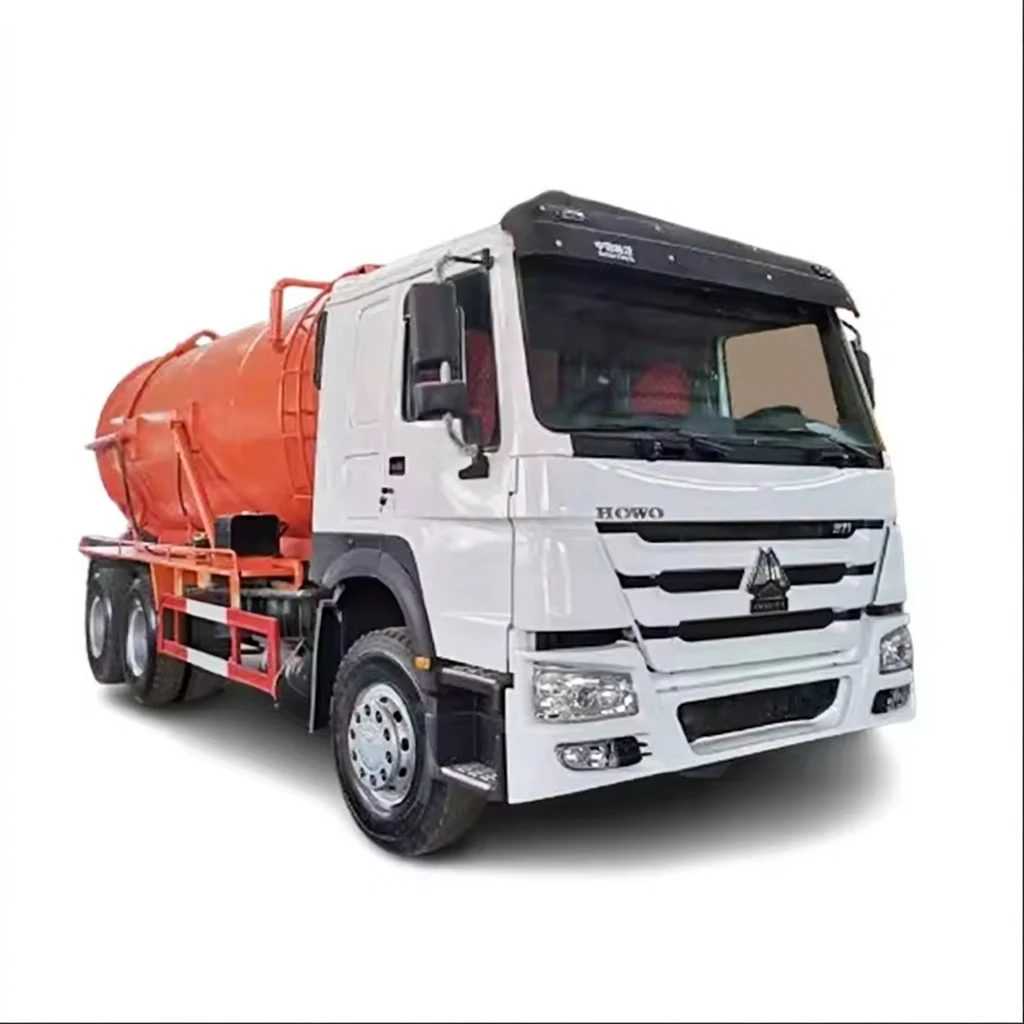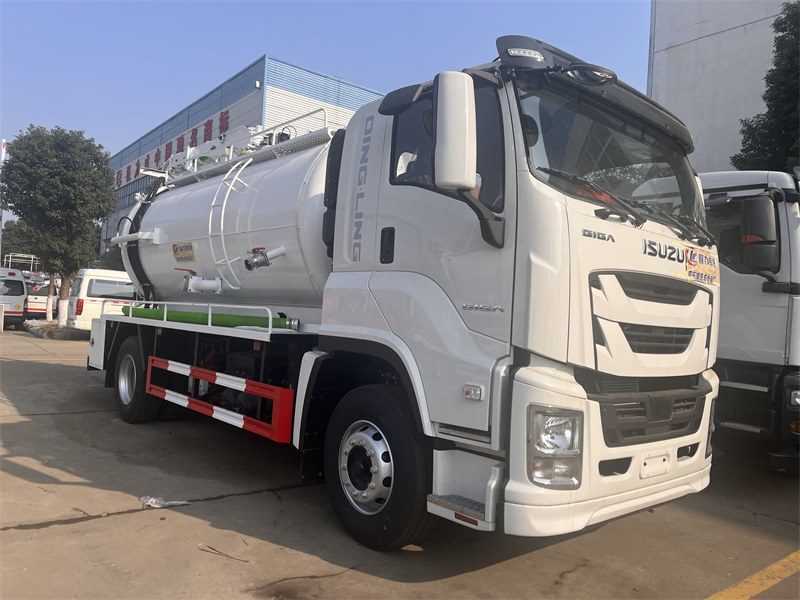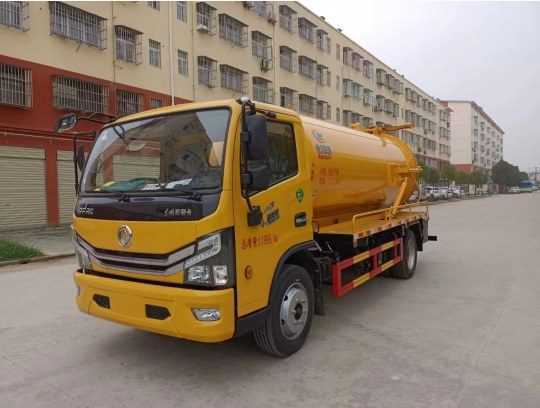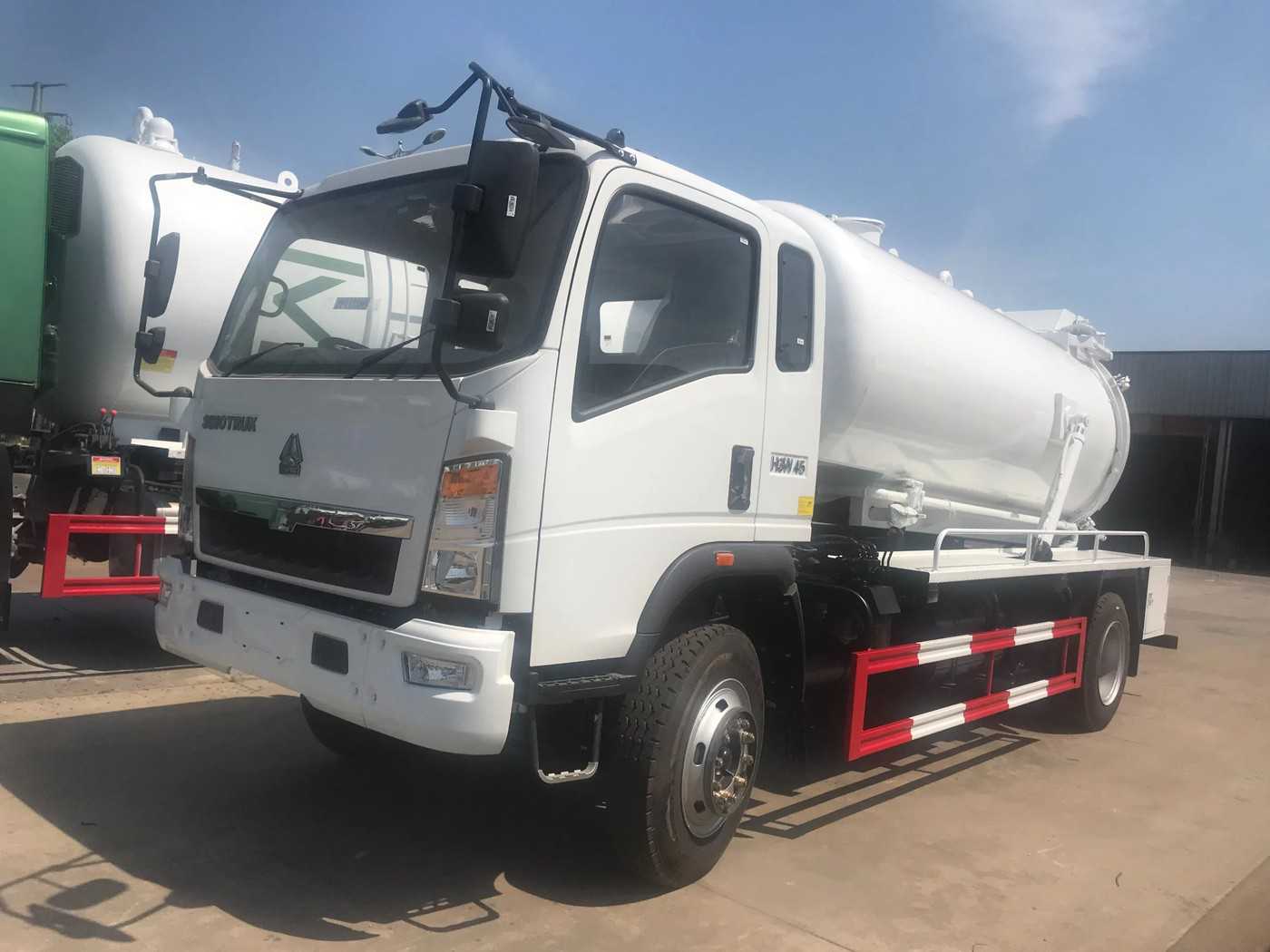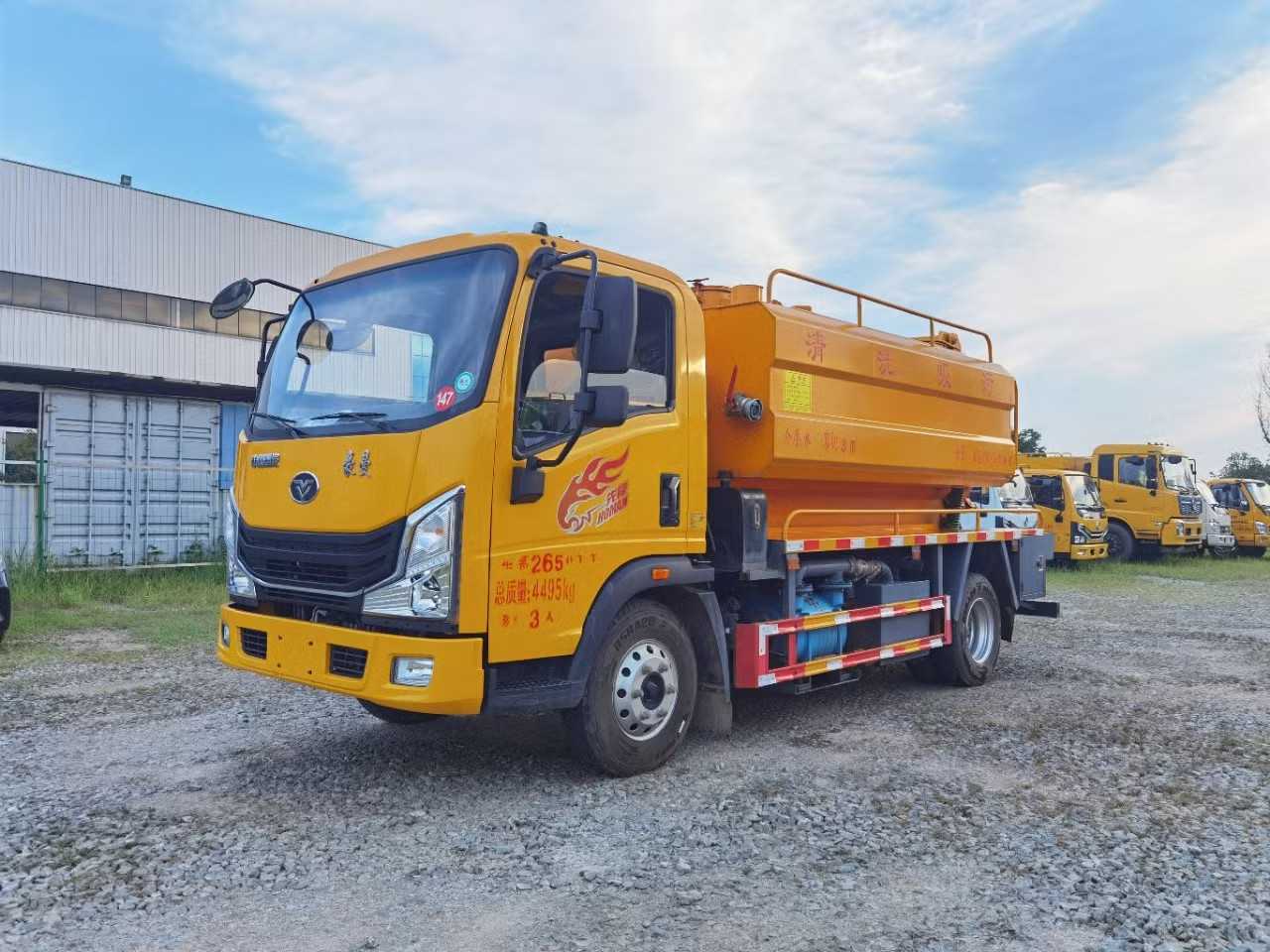
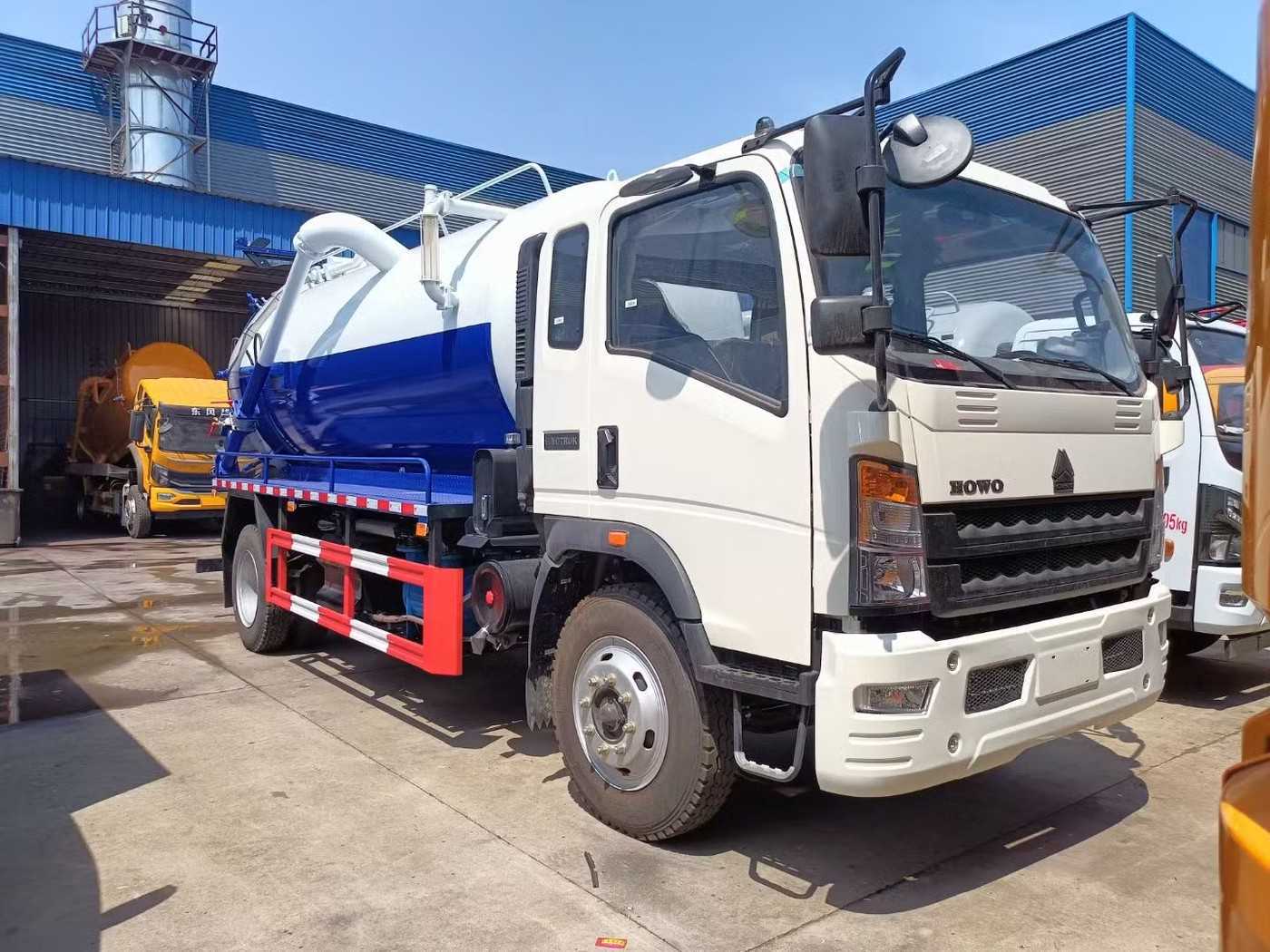
Ask sanitation contractors in Nairobi, Harare, Accra, and Lagos what truck they need to empty septic tanks, and you will hear four local names: exhauster, honey sucker, cesspit emptier, and sewage tanker (or sewage lorry). Mechanically, every one belongs to the sewage suction truck and vacuum tanker category. Yet regional naming reflects real operating differences—liquid urban septic tanks versus compacted pit-latrine sludge, narrow residential yards versus long-haul municipal transfer, and right-hand-drive versus left-hand-drive road rules.
This buyer guide maps African terminology to concrete engineering specifications—vacuum pumps, suction hoses, hydraulic rear doors, tipping tanks, and chassis sizing—so your fleet buys the exact machine your waste stream demands.
Regional Naming Map Across Africa
Procurement teams often lose weeks matching local tender titles with factory catalogs that use international terms like vacuum truck. Understanding how regional terminology aligns with steering rules, entry ports, and typical waste profiles eliminates specification errors early.
| Region & Markets | Common Local Terms | Steering & Gateway Ports | Typical Tank Size & Job Profile |
|---|---|---|---|
| East Africa Kenya, Uganda, Rwanda | Exhauster, Exhauster Truck, Vacuum Truck | RHD (KE/UG), LHD (RW) Mombasa | 6–12 m³ (4x2 / 6x4); urban estate septic emptying, commercial plazas, and peri-urban soakaways |
| Southern Africa Zimbabwe, Zambia, South Africa | Honey Sucker, Vacuum Tanker, Sewage Truck | RHD Durban, Beira, Walvis Bay | 5–10 m³ for tight yards; 12–18 m³ for municipal councils, mining camps, and industrial effluent ponds |
| West Africa Nigeria | Sewage Tanker, Vacuum Truck, Sewage Lorry | LHD Apapa, Tin Can Island, Onne | 10–20 m³ (6x4 / 8x4); high-density Lagos/Abuja estates, hotels, and long hauls to distant lagoons |
| Coastal West & East Ghana, Tanzania | Cesspit Emptier, Vacuum Truck | LHD (GH), RHD (TZ) Tema, Dar es Salaam | 6–12 m³ medium-duty units; unsewered residential cesspits, coastal resorts, and mixed liquid-silt waste |
Before finalizing tank drawings, lock down three regional chassis realities. First, verify legal steering orientation—Kenya, Tanzania, Zimbabwe, and Zambia enforce RHD while Nigeria and Ghana mandate LHD; confirm your build via our LHD and RHD chassis options. Second, match emission hardware to local diesel sulfur levels; high-sulfur fuel clogs Euro V/VI sensors quickly, so proven Euro II or Euro III engines from our emission chassis options keep maintenance simple. Third, respect EAC, SADC, and ECOWAS weighbridge axle caps: wet faecal sludge has a specific gravity of 1.15–1.35, so a full 16 m³ heavy-sludge load requires an 8x4 frame rather than an overloaded 6x4.
Choosing the Right Vacuum Pump: Oil-Lubricated vs Water-Ring Pump
The vacuum pump defines daily productivity on every exhauster and honey sucker. African fleets rely on two main designs: oil-lubricated rotary vane pumps (Jurop/Mori Italian-style or domestic Weilong/Yifeng vane units) and water-ring (liquid-ring) vacuum pumps (SK or 2BE series).
Suction Lift, Heat Rise, and Sludge Tolerance
An oil-lubricated rotary vane pump pulls vacuum quickly using sliding composite vanes sealed by metered oil. It is compact, lightweight, needs no water tank, and excels on liquid residential septic loads finishing in 5–10 minutes. However, in 38°C–45°C dry-season heat or during continuous 25-minute pulls on thick pit-latrine sludge, air-cooled vane housings overheat—warping vanes, thinning oil, and forcing cooldown stops.
A water-ring vacuum pump spins an impeller inside circulating water fed from a 400–800 L auxiliary tank. Because water absorbs compression heat continuously, it sustains deeper vacuum (−0.090 to −0.093 MPa) without thermal fade and handles humid vapors and dense, gritty sludge far better. Its trade-offs are extra tank deadweight and daily clean-water top-ups (plus winter draining in frosty southern highlands).
| Technical Parameter | Oil-Lubricated Rotary Vane Pump | Water-Ring Vacuum Pump |
|---|---|---|
| Vacuum & Vertical Lift | −0.080 to −0.085 MPa; 6–7 m practical lift on liquid waste | −0.090 to −0.093 MPa; 7–8.5 m practical lift on dense sludge |
| 40°C+ Continuous Duty | Best for 10–15 min intermittent cycles; heats up on prolonged pulls | Strong continuous duty; circulating water stabilizes operating temperature |
| Thick Sludge & Grit | Moderate; sewage or grit carryover scores casing and snaps vanes | High; forgiving of vapor, moisture, and heavy semi-solid latrine sludge |
| Cooling & Weight | Air-cooled with oil-gas separator; lighter build, maximizes payload | Requires 400–800 L cooling water tank; adds chassis weight and space |
| Routine Maintenance | Daily pump oil checks, vane sets, oil seals, separator elements | Clean water refills, mechanical shaft seals, periodic impeller inspection |
| Best African Job Fit | Fast-turnaround residential septic rounds (Nairobi, Lagos, Accra) | Deep pits, unlined latrines, municipal silt, abattoirs, hot inland sites |
Raw sewage drawn past a jammed float valve destroys an oil-lubricated vane pump in under a minute. Require a stainless-steel primary float shut-off valve, a secondary moisture trap with sight glass and drain cock, and a calibrated vacuum relief valve. Pair these with tropical cooling and dust-proof filtration for dusty African job sites.
Suction Hose Diameter, Length & Boom Options
High compound walls in Lagos, narrow gates in Harare, and unpaved lanes in Dar es Salaam rarely allow a truck to park beside the manhole. Crews routinely stretch suction hoses 15 to 30 meters from the kerb to the pit.
4-Inch Standard vs 15–30 m Suction Loss
The proven African standard is a 4-inch (100 mm / DN100) wire-reinforced PVC or heavy-duty rubber suction hose with quick-release camlock couplings. Three-inch (75 mm) lines clog constantly on rags and plastics, while 6-inch (150 mm) hoses are too heavy for manual dragging and suit boom-mounted municipal rigs.
Extending a 4-inch hose from the standard 6–8 meters out to 15–30 meters introduces two physical limits:
- Vertical static head ceiling: Atmospheric pressure caps practical vertical suction lift at 6–8 meters for dense sludge regardless of pump rating. Deep pits leave minimal vacuum reserve for long horizontal runs.
- Friction drag and joint air leaks: Every added 6-meter section increases wall friction and adds another camlock gasket. One cracked seal admits ambient air, cutting suction flow by 30%–50%.
Anti-Clogging Field Techniques and Suction Booms
Experienced operators prevent blockages past 15 meters using three habits: air-slug induction (briefly lifting the nozzle edge above the liquid surface so air bursts break dense plugs), pre-dilution with an onboard wash-down water tank or stirring pole to liquefy bottom crust, and upgrading thin spiral PVC—which collapses under high water-ring vacuum in hot sun—to thick-wall crush-resistant hose with spare camlock gaskets on board.
For deep municipal manholes and highway culverts, specify a top-mounted 360-degree rotating suction boom (manual swing on 6–10 m³ units, hydraulic slewing and telescoping on 12–20 m³ trucks). Booms eliminate hauling mud-heavy hoses out of shafts and keep crews safer from toxic hydrogen sulfide (H₂S) gas.
Rear Hydraulic Door & Tipping Tank for Heavy Sludge Removal
Entry-level sewage lorries discharge through a rear 150 mm ball or gate valve via gravity, assisted by switching the four-way valve to positive air blow-back. That works cleanly for liquid greywater from modern residential septic tanks.
It fails completely when emptying pit latrines, abattoirs, stormwater catch basins, or overdue municipal tanks filled with compacted grit and grease. Heavy silt settles on the tank floor like wet concrete. Even under air blow-back, only liquid escapes—leaving 20%–35% of tank volume choked with dead sludge that wastes fuel and cuts billable capacity every shift.
Removing heavy sludge cleanly requires two coordinated factory options:
- Full-opening hydraulic rear door: Dual lift cylinders open the entire rear dome past 60 degrees, sealed during transport by a heavy EPDM ring and secured by hydraulic locks or forged wing-bolt handwheels.
- Hydraulic tipping cylinder: Tilting the tank body 40°–45° slides compacted mud cleanly out at the disposal lagoon, allowing fast wash-down without anyone entering a confined toxic vessel.
Tank shell integrity is equally critical because vacuum shells withstand external atmospheric crushing load every cycle. Specify Q235B or Q345B carbon steel at 5–6 mm thickness for 4–8 m³ tanks and 6–8 mm for 12–20 m³ shells, braced with external stiffening rings and internal anti-surge baffles featuring wide lower cutouts so thick mud never traps behind bulkheads. Internal coal-tar epoxy coating further protects welds against acidic H₂S corrosion.
Before final balance transfer, verify shell thickness by ultrasonic gauge, check rear-door vacuum tightness, and cycle the tipping cylinder and vacuum relief valve under test load. Factory ISO credentials on our certificates page confirm manufacturing quality control, while destination vehicle clearance follows each country’s own rules. Always confirm beneficiary bank accounts via our anti-fraud notice before remitting funds.
Matching Pump & Tank Size to Your Daily Septic Jobs
Oversizing a vacuum tanker often hurts African fleet ROI. A 20 m³ 8x4 sewage lorry cannot enter tight suburban lanes in Harare or Kumasi, forcing long hose pulls and fewer loads per day. Conversely, running a 5 m³ truck on a 40 km round trip to a disposal lagoon in Lagos or Lusaka burns margin in diesel and driver hours. Align tank volume, axle layout, and pump architecture with road access and haul distance.
| African Job Profile | Recommended Tank & Drive | Ideal Pump & Discharge Spec | CLW Reference Configurations |
|---|---|---|---|
| Tight Urban & Residential Yards (Harare, Nairobi, Accra, Dar es Salaam) | 4–6 m³ compact 4x2 chassis | Oil-vane (or light water-ring) pump; rear gravity valve + optional hydraulic door | CLW Sewage Suction Truck · CLW5080GXE |
| Commercial Estates & Municipal Contractors (Lagos, Abuja, Lusaka, Kampala) | 10–16 m³ heavy 6x4 or 8x4 | High-flow water-ring or heavy oil-vane pump; full hydraulic rear door + tipping tank | CLW Sewage Suction Truck · CLW5310GQW |
| Heavy Industrial Sludge & Long-Haul (Trunk sewers, lagoons, factories) | 16–20 m³ heavy 8x4 chassis | 2BE/SK water-ring pump, 6–8 mm shell, tipping tank, hydraulic door, optional boom | CLW5310GQW Heavy Spec & CLW5310GQW High-Capacity Unit |
| Mining, NGO & Off-Road Camps (Deep mud, sand, remote tracks) | 8–12 m³ on 6x6 AWD chassis | Water-ring pump, tropical cooling, reinforced axles, wash-down tank | See our UN Dongfeng 6x6 AWD tank truck project |
Landed-Cost Drivers, Port Shipping & Spare Parts
Budget beyond the factory gate by evaluating total landed cost. Ex-factory pricing shifts across five configuration tiers: chassis axle count (4x2, 6x4, 8x4, or 6x6), steering side (RHD vs LHD), vacuum pump type and brand, hydraulic rear-door plus tipping cylinder upgrades, and internal anti-corrosion lining. Final pricing always follows a written quotation tailored to your exact chassis, body spec, and destination port.
From China to Mombasa, Dar es Salaam, Durban, Beira, Tema, or Apapa/Tin Can Island, most sewage tankers travel by Ro-Ro vessel (drive-on/drive-off convenience) or bulk carrier. Plan FOB versus CIF freight, marine insurance, and destination conformity inspections (KEBS PVoC, TBS, SONCAP/Form M, ZABS/SABS) early using our payment and shipping guide and import compliance service. Municipal bidders can also leverage our tender support team and factory-direct buying guide. Finally, pack first-year wear spares inside the cab—pump seals, vane sets or water-ring mechanical seals, float-valve rubbers, 4-inch camlock gaskets, and two spare hose lengths—to avoid costly downtime waiting on air freight.
Frequently Asked Questions
Are an exhauster, honey sucker, cesspit emptier, and sewage tanker different machines?
No—all four names describe a vacuum-powered sewage suction truck. Real mechanical differences come from the spec underneath: LHD vs RHD chassis, oil-vane vs water-ring pump, tank shell thickness, and hydraulic tipping plus full-opening rear-door hardware.
Oil-lubricated vane or water-ring pump: which handles thick pit-latrine sludge better?
Water-ring vacuum pumps handle thick pit-latrine sludge, abrasive grit, deeper lifts, and continuous work in 40°C+ heat far better because circulating water prevents overheating. Oil-vane pumps suit lighter payloads and fast 5–10 minute residential liquid septic cycles.
How do I maintain suction when extending hoses to 15–30 meters?
Use heavy-wall 4-inch (100 mm) wire-reinforced hose, keep vertical pit depth under 6–7 meters, replace worn camlock rubber gaskets immediately to stop air leaks, and use air-slug induction or water dilution to keep thick solids moving.
How are vacuum tankers shipped to Africa, and what compliance steps apply?
Units typically ship via Ro-Ro or bulk carrier to Mombasa, Dar es Salaam, Durban, Beira, Tema, or Lagos (Apapa/Tin Can Island). Confirm RHD/LHD legality, fuel-matched emission rules, and required destination pre-shipment certificates (PVoC, TBS, SONCAP) before loading.
Get a Spec-Matched Quotation for Your African Sanitation Fleet
Share five operating details so our engineers can size the right chassis, vacuum pump, tank thickness, and shipping plan:
- Target country, steering side (LHD/RHD), and destination port (e.g., Mombasa, Durban, Beira, Tema, Apapa).
- Tank capacity and site access (4–6 m³ tight residential yards, 10–12 m³ municipal work, or 16–20 m³ heavy transfer).
- Waste consistency and reach (liquid domestic septic vs thick pit-latrine/industrial sludge, plus max hose length).
- Pump and discharge preference (oil-vane vs water-ring pump; gravity valve vs hydraulic rear door and tipping tank).
- Quantity, local emission spec, and delivery schedule (private operator or municipal/NGO tender).