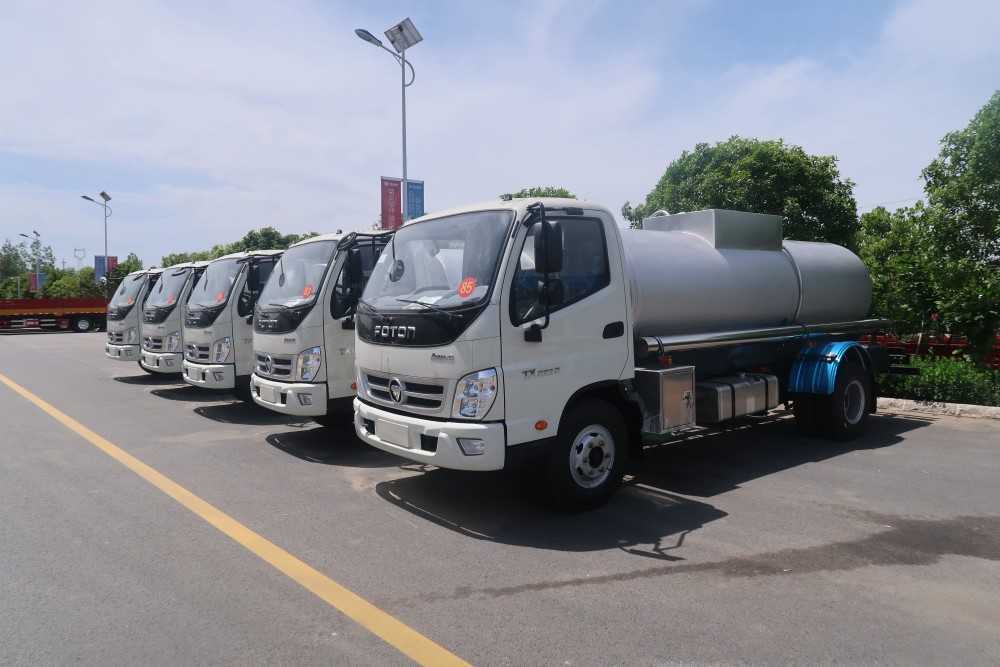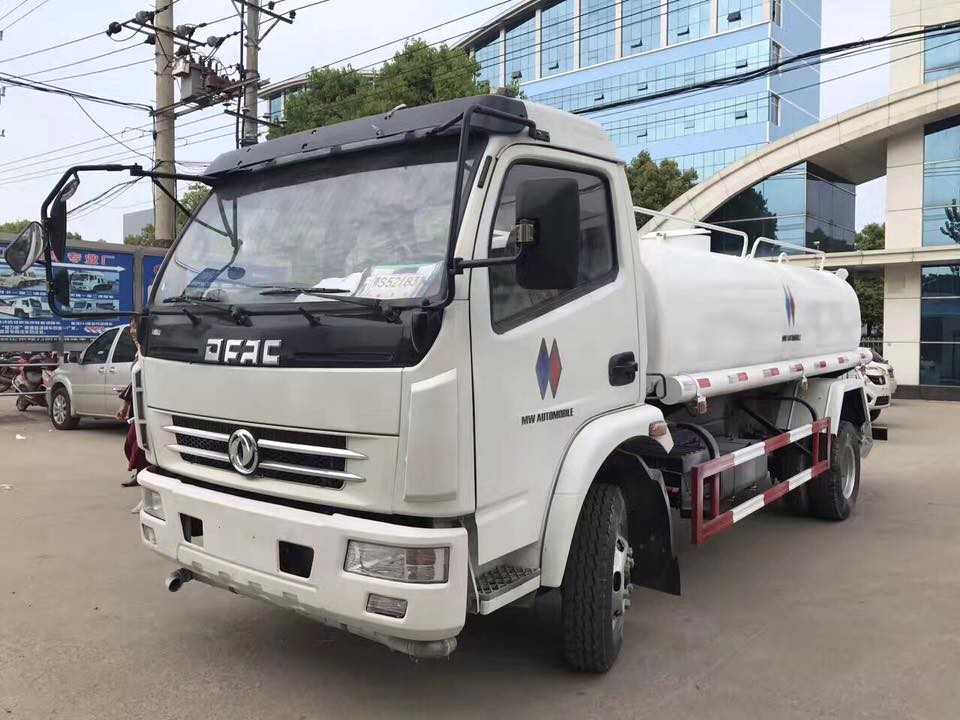
For road contractors in Ogun State, borehole operators in Abuja, mining fleets in Tarkwa, and estate distributors in Greater Accra, assessing the true water tanker price in Nigeria or comparing a water tanker for sale in Ghana goes far beyond a bare factory sticker. Two 12,000-litre trucks can diverge sharply in landed cost once chassis drivetrain, coastal anti-rust treatment, emission calibration, ocean freight, and port clearance are priced in.
Whether buyers search locally for a commercial bowser or a heavy-duty water tanker car, profitability depends on landed cost per delivered cubic metre over five to seven years. Understanding how chassis selection, tank metallurgy, pump specs, and Lagos or Tema shipping interact helps you specify a factory-direct water bowser truck that clears customs cleanly and earns reliably from week one.
Why West African Buyers Standardise on LHD Heavy-Duty Water Tankers
LHD Road Standards Across Nigeria and Ghana
Both Nigeria and Ghana operate right-hand traffic, making factory left-hand drive (LHD) mandatory for commercial registration, insurance, and highway safety. Right-hand drive imports face statutory bans or heavy inspection hurdles, whereas factory LHD builds deliver proper mirror geometry, headlamp alignment, and overtaking visibility on congested corridors like the Lagos–Ibadan Expressway and Accra–Kumasi N6 highway.
Factory LHD layout also improves roadside safety. Placing the gravity discharge outlet, suction coupling, and pressure gauge on the kerbside working face lets crews refill estate tanks in Surulere, Kumasi, or Tamale away from live traffic. Regional fleet operators can compare steering builds on our LHD and RHD African chassis options page.
Chassis Platforms That Dominate Local Fleets
A low upfront chassis quote becomes expensive fast if a failed clutch plate, intercooler hose, or hub seal sidelines the truck for weeks awaiting air-freighted parts. That uptime reality explains why West African fleets standardise around four proven Chinese LHD platforms:
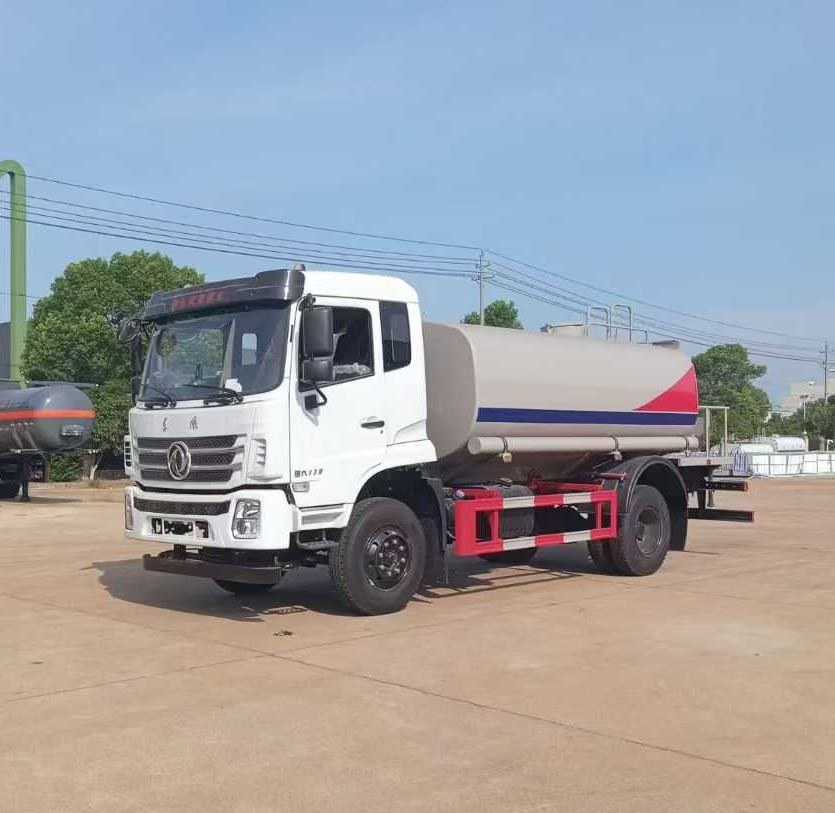
- Dongfeng (4x2 and 6x4): Favoured for 5,000L to 15,000L urban potable and municipal runs thanks to strong fuel economy and wide Cummins/Yuchai mechanic support. Compact fleets start with the Dongfeng D6 water truck, step up to the Dongfeng Tianjin water truck for regional contracting, or specify the Dongfeng H3 water truck for heavy daily haulage.
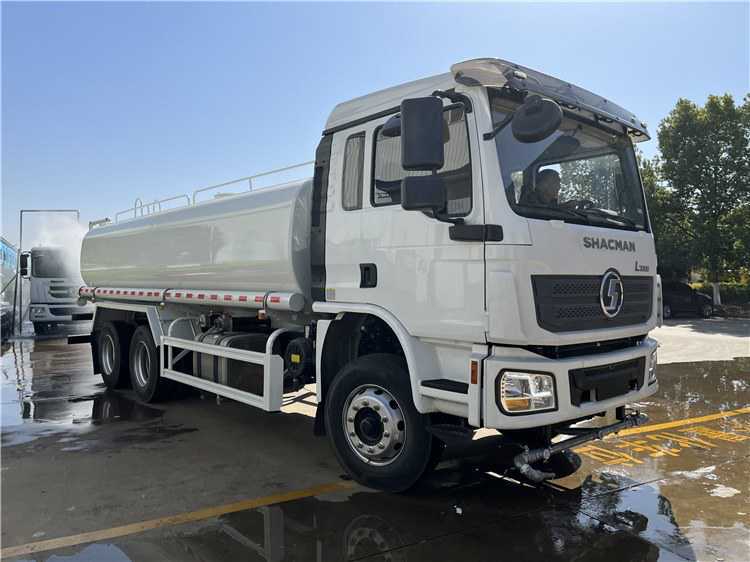
- Sinotruk HOWO and Shacman (6x4): The standard workhorses for 16,000L to 20,000L dust suppression, quarry haulage, and concrete-plant supply. Double-layer frames, heavy leaf springs, and hub-reduction axles survive corrugated laterite roads, with wear parts stocked daily across Ladipo Market (Lagos), Abossey Okai (Accra), and Suame Magazine (Kumasi).
- Foton and 4x4 Utility Platforms: Suited to light municipal estates and muddy rainy-season routes from May to October. For remote mining camps and rural borehole projects, a high-clearance 4x4 potable water tank truck with locking differentials protects uptime where highway 4x2 units bog down.
Key Price Drivers for Nigeria & Ghana Orders
Factory-direct water tanker pricing is modular. Typically, the base LHD chassis represents 60% to 70% of FOB value, while the tank shell, internal baffles, anti-corrosion coating, pump driveline, and spray hardware account for 30% to 40%. Because steel rates, chassis availability, and shipping tariffs fluctuate, final pricing always follows a written quotation tailored to your exact chassis, body spec, steering, and destination port.
Tank Capacity Tiers (5,000L to 20,000L) and Axle Configuration
Water weighs 1,000 kg per cubic metre, so a full 15,000L tank adds 15 tonnes of live payload onto kerb weight. Over-sizing a tank onto an under-rated 4x2 rear axle may lower upfront cost, but it triggers spring fatigue, tyre blowouts in 38°C heat, and weighbridge penalties along federal and ECOWAS transit corridors.
| Capacity Tier | Drive & Chassis Class | West African Applications | Primary Cost Drivers | Reference CLW Model |
|---|---|---|---|---|
| 5,000L – 8,000L | 4x2 Light/Medium LHD (Dongfeng, Foton) | Urban estates, hotels, hospitals, tight residential streets | Compact wheelbase, lower ocean CBM, light PTO pump circuit | Dongfeng D6 Water Truck |
| 6,000L – 10,000L Off-Road | 4x4 All-Wheel-Drive LHD | Mining camps (Tarkwa, Obuasi), rural boreholes, muddy tracks | Transfer case, front drive axle, heavy suspension, lug tyres | 4x4 Potable Water Tank Truck |
| 10,000L – 12,000L | 4x2 Heavy-Medium LHD (Dongfeng Tianjin, Foton, HOWO) | Municipal road works, compaction, commercial water vending | 4–5 mm plate, dual spray manifold, balanced payload-to-CBM | Dongfeng Tianjin Water Truck |
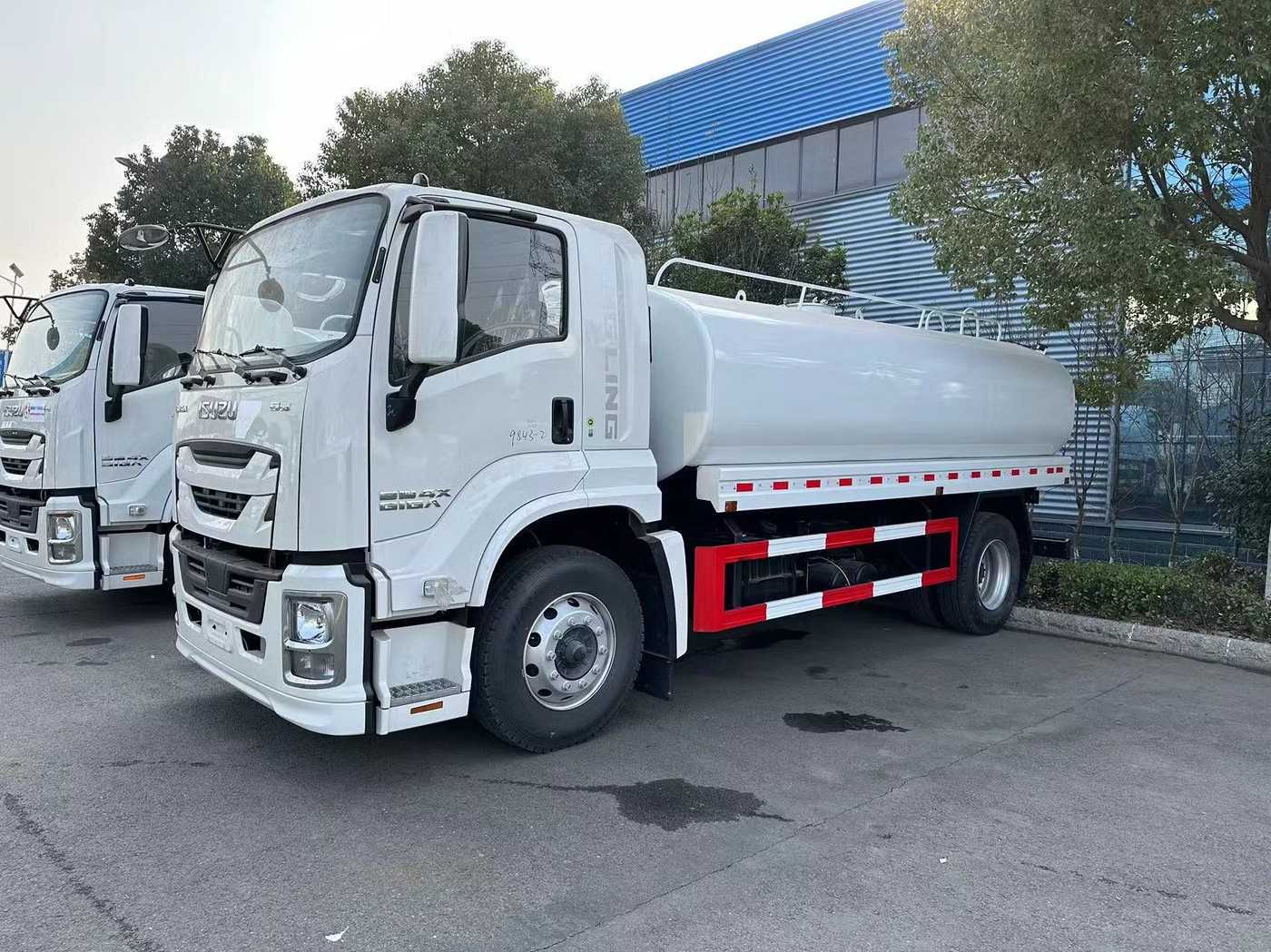
| 14,000L – 15,000L | 4x2 Heavy / 6x4 LHD (Dongfeng H3, HOWO) | High-turnover potable supply, highway works, plant feeding | SUS304 stainless option, reinforced subframe, high-flow pump | 14-Ton Potable Water Truck & Dongfeng H3 Water Truck |
| 18,000L – 20,000L | 6x4 Heavy-Duty LHD (HOWO, Shacman, Dongfeng 6x4) | Highway earthworks, quarry dust control, batching plants | Hub-reduction tandem axles, 5–6 mm shell, higher Ro-Ro CBM | Custom 6x4 Heavy-Duty Water Bowser |
Carbon Steel vs. 304 Stainless Steel & Coastal Anti-Corrosion Coatings
Tank metallurgy creates the largest body-side price spread. Construction and dust-suppression fleets use Q235B carbon steel (4–5 mm shell, 5–6 mm dished ends) for competitive cost and easy local welding. Yet coastal humidity and salt air in Lagos, Port Harcourt, Warri, Takoradi, and Tema attack thin paint quickly around welds and tank saddles. Specifying abrasive shot-blasting, zinc-rich epoxy primer, and UV-resistant polyurethane topcoat externally—plus food-grade epoxy internal lining for drinking water—adds a modest factory increment while sharply extending tank life.
Commercial drinking-water distributors, bottling plants, and corporate estates frequently upgrade to SUS304 food-grade stainless steel, as built on our 14-ton potable water truck. Stainless steel typically adds 30% to 45% to body fabrication cost over lined carbon steel, but eliminates recoating downtime, prevents rust taste completely, and preserves stronger resale value.
A half-full tanker is far less stable than a full one during hard braking on wet asphalt or laterite roads. Verify full-height welded wave-breaker baffles every 1.2 to 1.5 metres with staggered lower holes and inspection manways to cut liquid slam, protect frame rails, and extend brake-lining life.
Diesel Quality, Euro II / Euro III Engines & Tropical Cooling
Diesel sulphur content varies widely between urban stations and upcountry depots across Nigeria and Ghana. Euro V and Euro VI engines with sensitive common-rail injectors, DPFs, and AdBlue dosing frequently suffer derating on variable-grade fuel. Where import rules allow, fleets strongly prefer mechanical-pump Euro II or proven Euro III engines with dual-stage fuel-water separators.
An oversized tropical aluminium radiator, heavy-duty fan clutch, and oil-bath air pre-cleaner—core features of our tropical and dust-proof truck engineering—prevent overheating in Apapa traffic or during stationary PTO pumping in 40°C Harmattan dust. Compare engine specs on our African emission and chassis guide before locking your build.
Pump Assemblies, Spray Hardware & Operational ROI
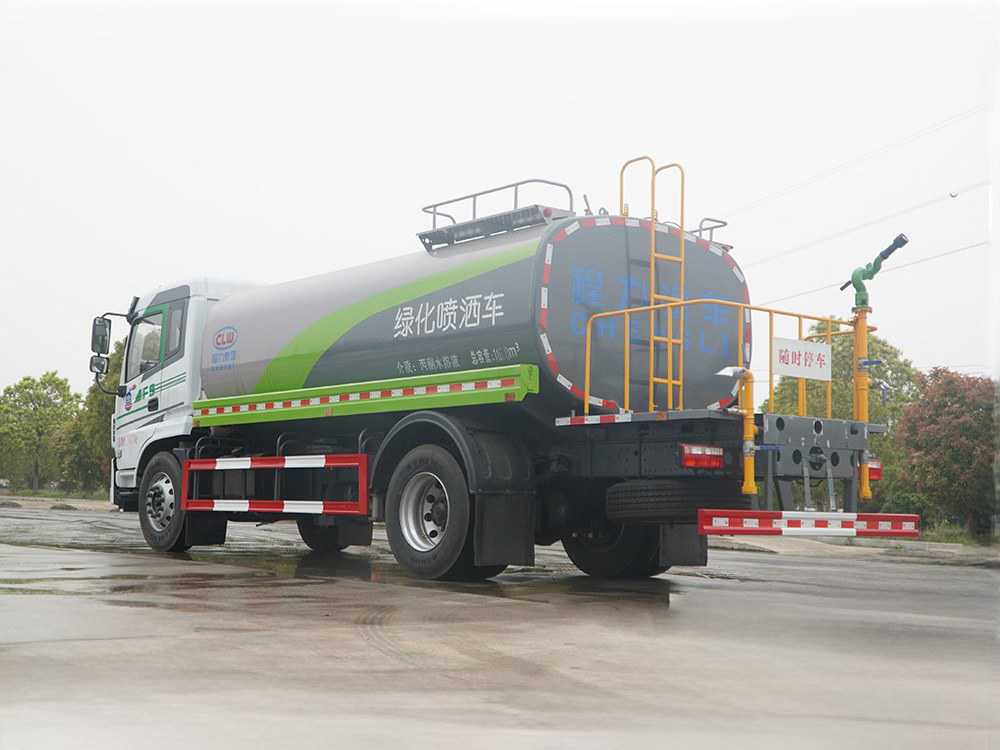
A 60 to 90 m³/h self-priming centrifugal pump with mechanical seals, robust PTO driveline, and 6–7 metre vertical suction lift lets crews refill directly from rivers, earth dams, or borehole sumps without booster pumps. Adding front flush nozzles, rear gravity spreaders, a hydrant coupling, and a 360-degree rear water cannon (28–35 metre reach) lets one truck earn across compaction, dust control, estate delivery, and fire standby.
Shipping to Lagos (Apapa / Tin Can) & Tema Port
Ocean freight and port charges typically represent 15% to 25% of total landed cost for a heavy-duty water tanker shipped from Shanghai, Tianjin, or Lianyungang to West Africa. Selecting the right vessel mode and pre-shipment inspection protects both capital and schedule.
Ro-Ro Vessel vs. Breakbulk Deck Cargo: Cost and Risk Trade-Offs
Because complete 10,000L to 20,000L tankers exceed container dimensions, shipments into Lagos (Apapa and Tin Can Island) and Tema Port move via Roll-on/Roll-off (Ro-Ro) carriers or breakbulk (Lo-Lo) vessels. Ro-Ro is preferred for single units and small fleets: trucks drive into enclosed holds, avoiding crane-sling strain and shielding paint and wiring from ocean salt spray across a 35-to-50-day voyage.
Breakbulk fits peak-season Ro-Ro backlogs, multi-unit contractor lots with negotiated deck rates, or oversized builds exceeding ramp clearances. Because weather-deck stowage exposes bodywork to salt spray, factory anti-rust wax coating and sealed cab wrapping are essential.
| Shipping Factor | Ro-Ro Vessel (Roll-on / Roll-off) | Breakbulk / Lo-Lo Deck Cargo |
|---|---|---|
| Weather Protection | High — enclosed below-deck holds shield paint, pumps, and electrics | Moderate — deck stowage requires wax spray and moisture-barrier wrap |
| Cargo Handling | Driven via stern ramp; zero crane-sling load on saddles or axles | Crane-lifted using certified wheel slings and spreader frames |
| Freight Pricing | Priced per cubic metre (L × W × H CBM) plus bunker/congestion fees | Negotiated per CBM or per unit; competitive on 3+ truck lots |
| Lagos & Tema Flow | Faster discharge at Ro-Ro berths (PTML Tin Can, Tema GPHA/MPS) | Depends on crane availability and tight clearing-agent booking |
| Best Fit | 1–4 units of 5,000L–20,000L tankers needing showroom condition | Multi-unit contractor fleets or seasonal Ro-Ro space shortages |
Pre-Shipment Inspection, Factory Walkthroughs & Export Documents
Always verify build quality before final balance release and port delivery. Pre-shipment inspection should cover ultrasonic plate-thickness checks, wet PTO pump pressure tests, nozzle checks, and VIN/engine-number verification against your proforma invoice. Many West African buyers appoint third-party inspectors or visit our Suizhou plant—as shown in our Nigeria client factory inspection case study.
Confirm the complete export dossier before vessel cut-off: commercial invoice, packing list with exact gross weight and CBM, clean-on-board Bill of Lading, Certificate of Origin, and any required destination inspection certificate. Review our payment and ocean shipping workflow early to align bank transfers with sailing cut-offs.
A single digit typo in consignee TIN, chassis VIN, or HS code on the Bill of Lading triggers manifest amendment fees and weeks of demurrage at Apapa, Tin Can Island, or Tema Port. Lock suction hoses, spare tyres, tools, and extinguishers inside cabs or sealed toolboxes, and record timestamped pre-loading photos of every serial number.
Working With Your Local Clearing Agent Before Production
Import Permits, Age Limits & Emission Rules to Verify Early
Engage your licensed Nigerian or Ghanaian clearing agent before signing the build contract—not while the ship is already at sea. Tariff bands, commercial vehicle age rules, and documentary mandates shift periodically, and factory specs are easiest to align before steel cutting begins.
- Nigeria checklist: Confirm HS classification for special-purpose motor vehicles, open bank Form M early where applicable, verify PAAR document sets, and confirm SONCAP exemption or certification rules under current Nigeria Customs Service circulars.
- Ghana checklist: Model CIF duty, VAT, NHIL, GETFund, and ECOWAS levies inside ICUMS before booking freight, confirm DVLA LHD and axle-load registration criteria, and check any Ghana Standards Authority or EPA rules for potable tank materials.
Pre-Production Alignment on Documents & Compliance
Keep one compliance boundary clear: factory quality-management certifications such as ISO 9001—shown on our factory certificates page—audit plant manufacturing processes, but they do not serve as destination-country vehicle homologation or customs clearance permits. Sharing your clearing agent's checklist before production ensures VIN plates, axle-weight stamps, and invoice wording match port requirements. Consult our Africa import compliance guide for pre-order preparation.
Frequently Asked Questions on Buying Water Tankers for Nigeria & Ghana
What builds the final water tanker price in Nigeria or Ghana beyond FOB cost?
Beyond the FOB truck price (chassis brand, 4x2/6x4/4x4 drive, tank volume, steel grade, and pump spec), landed cost adds Ro-Ro or breakbulk freight, marine insurance, Lagos or Tema port handling, customs duties and levies, brokerage, and local registration.
Should I order carbon steel or 304 stainless steel?
Specify Q235B carbon steel with heavy coastal epoxy/polyurethane coatings for road works, dust suppression, and industrial haulage. Choose SUS304 stainless steel—or certified food-grade epoxy lining—for drinking-water supply to estates, hotels, hospitals, and bottling plants.
Is Euro II or Euro III better for Nigeria and Ghana diesel?
Euro II and proven Euro III engines generally deliver lower repair bills and higher uptime than Euro V/VI aftertreatment systems because they tolerate local diesel sulphur variations and are easily serviced locally. Always confirm current import rules with your clearing agent first.
How long do manufacturing and shipping to Lagos or Tema take?
Production typically takes 20 to 35 days after deposit and drawing approval, depending on chassis stock and stainless or 4x4 options. Ocean transit to Apapa, Tin Can Island, or Tema adds 35 to 50 days, making 10 to 14 weeks door-to-port realistic.
Requesting a Nigeria or Ghana CIF/FOB Quote
A brief message asking only for a "10,000L water truck price" usually misses coastal anti-rust specs, pump capacity, or live Lagos/Tema Ro-Ro rates. First-time importers can review our factory-direct ordering guide and send the five details below for an accurate written FOB or CIF quotation within 24 hours.
Prepare Your 5-Point Nigeria / Ghana Water Tanker Quote Brief
Share these five details so our engineers can match the right LHD chassis, tank metallurgy, and shipping route in one clear written quotation:
- Tank Volume & Water Duty: Exact capacity (5,000L–20,000L) and use—potable drinking water (SUS304 stainless steel or food-grade lining) or construction/dust suppression (Q235B carbon steel).
- LHD Chassis & Drive: Preferred brand (Dongfeng, HOWO, Shacman, Foton), emission tier (Euro II / Euro III), and axle layout (4x2, 6x4, or 4x4 off-road).
- Pump & Spray Hardware: Suction lift, gravity outlet size, front/rear spray bars, and whether you need a rear water cannon or hose reel.
- Port & Trade Term: FOB China port or CIF Lagos (Apapa / Tin Can Island), Port Harcourt, or Tema Port, plus Ro-Ro vs. breakbulk preference.
- Quantity & Inspection: Unit count, target delivery window, and whether you plan a factory visit or third-party pre-shipment inspection.