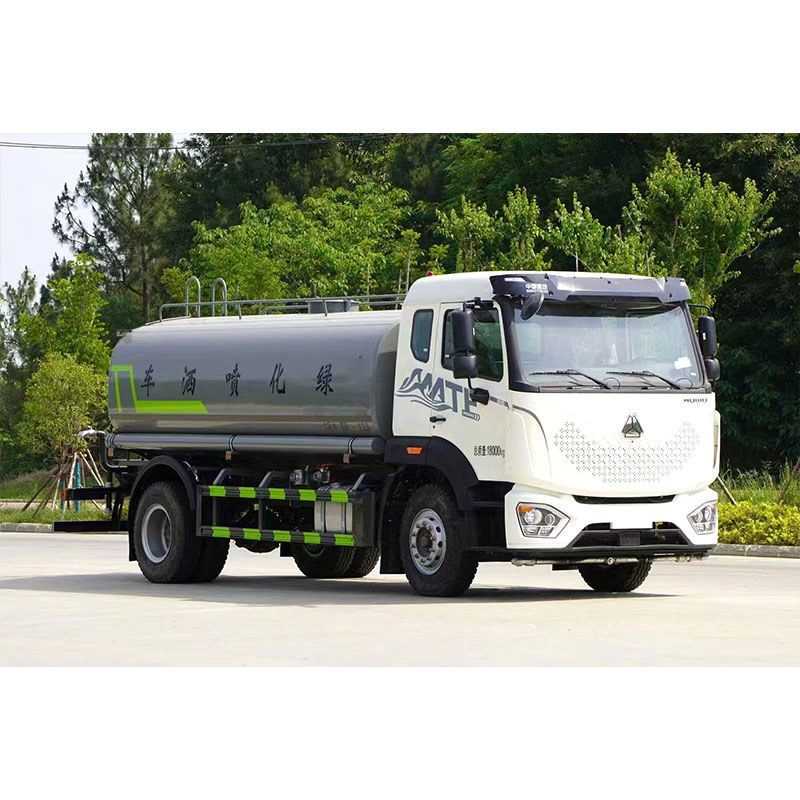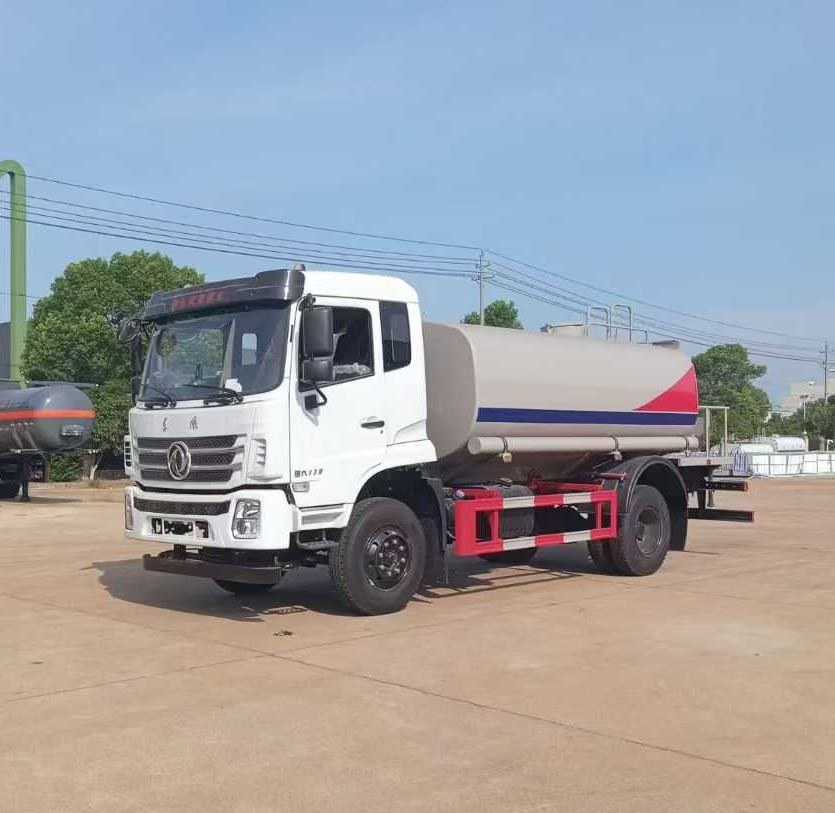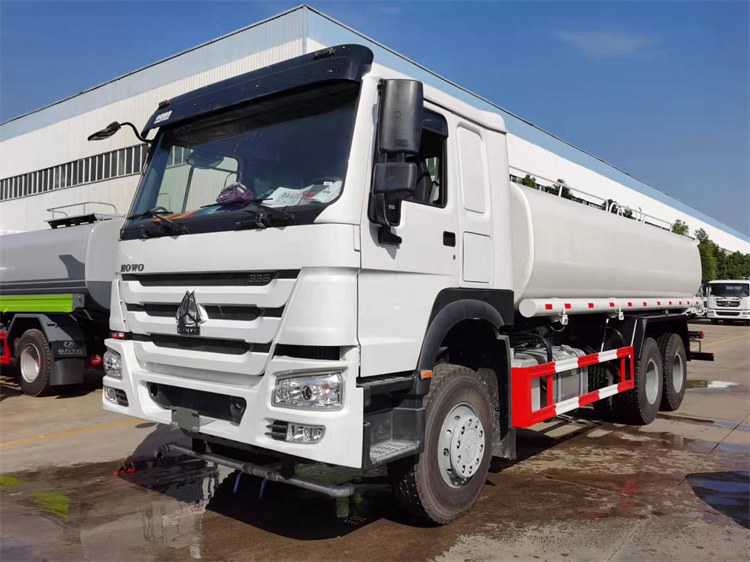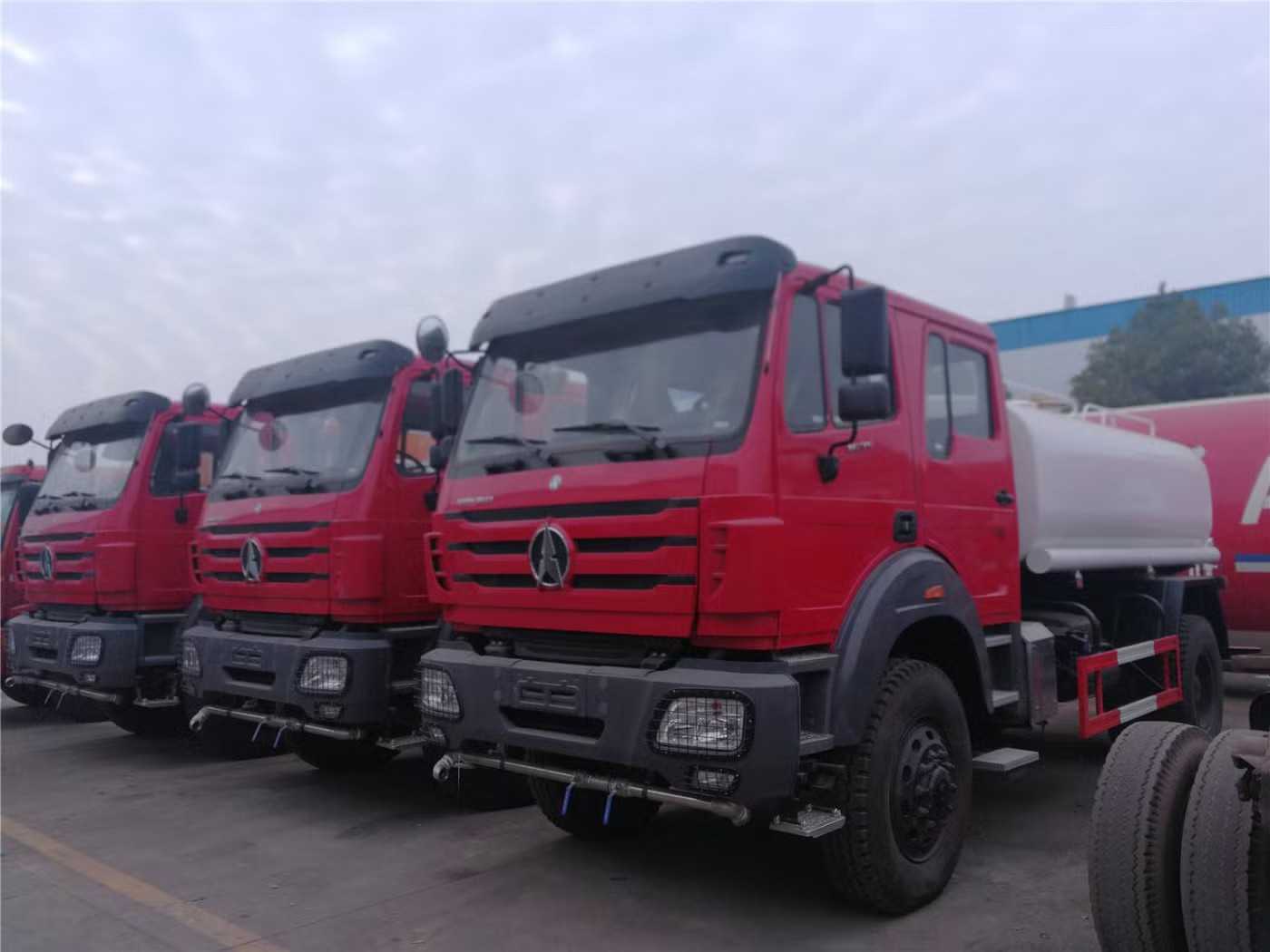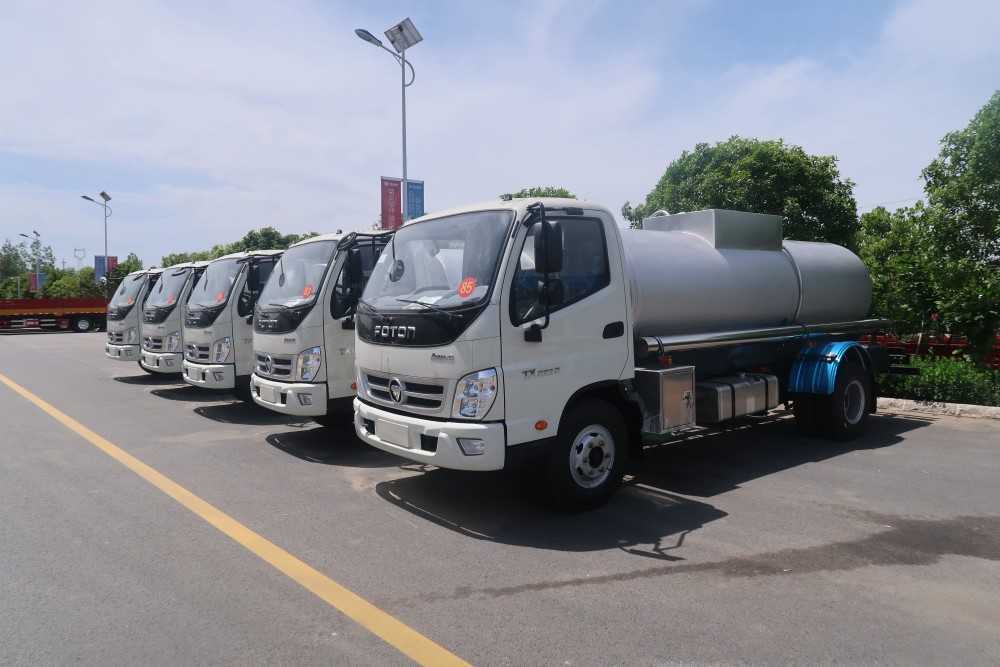
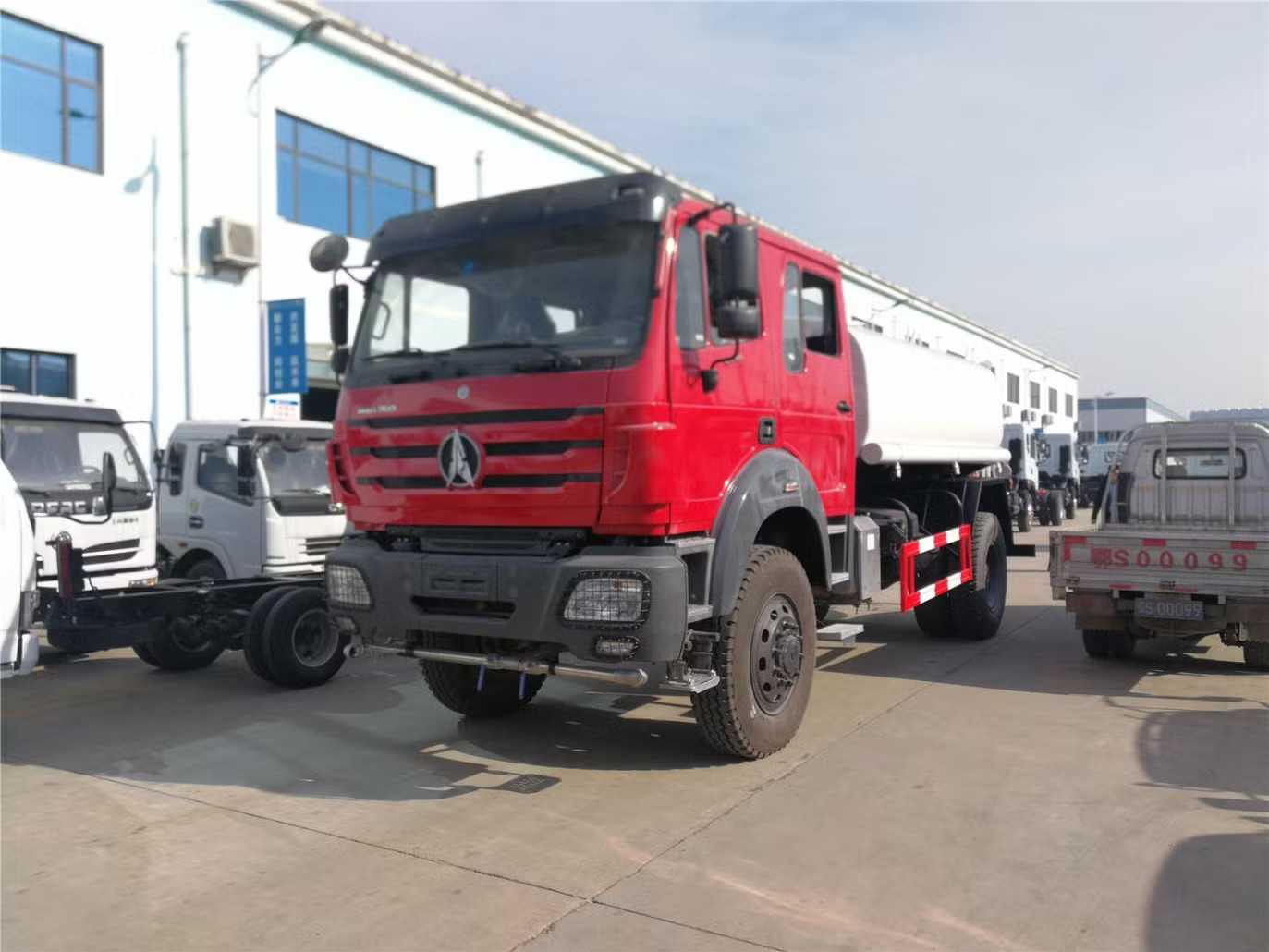
Across Kenya, Tanzania, Zambia, Uganda, and Zimbabwe, road contractors and mining operators routinely request quotations for a water bowser or a bowser of water when mobilizing for earthworks, sub-base compaction, or haul-road dust control. When those enquiries reach export suppliers without clear technical definitions, buyers expecting a working spray vehicle frequently receive a basic bulk-haulage water tanker built only for point-to-point transport.
Separating a site-ready water bowser truck from a pure transport tanker prevents expensive local welding retrofits, uneven soil compaction, and early pump failures. Below is the practical engineering specification guide for East and Southern African roadwork and mining fleets.
Water Bowser vs Water Tanker—Is There a Difference?
In Commonwealth East and Southern Africa—from Kenya's Northern Corridor to Zambia's Copperbelt—a water bowser denotes a working truck dispensing pressurized water onto gravel haul roads, borrow pits, rock crushers, and earthworks layers. Globally, a water tanker typically refers to a bulk haulage vehicle transporting potable or industrial water to camp tanks or reservoirs.
Both share a commercial truck chassis and elliptical tank, yet their pumping circuits, internal coatings, baffling, and chassis reinforcement differ sharply. Deploying a bare tanker on roadworks leaves crews rigging makeshift gravity bars that flood clay sub-bases, while hauling drinking water inside an unlined raw-water bowser introduces rust and silt contamination.
| Specification Area | Water Bowser (Dust Suppression & Roadwork) | Water Tanker (Bulk Potable / Raw Haulage) |
|---|---|---|
| Primary Function | Haul-road dust control, sub-base moisture conditioning, road washing, quarry damping | Point-to-point bulk delivery to camp bladders, reservoirs, or batching tanks |
| Tank Steel & Lining | 4–5 mm Q235B carbon steel; shot-blasted with zinc-rich anti-rust primer | Food-grade 304 stainless steel or certified food-grade epoxy-lined carbon steel |
| PTO Pump & Suction | 40–60 m³/h gearbox PTO centrifugal pump with 6–7 m river self-priming | Transfer pump or gravity discharge; often lacks deep-suction foot valves |
| Dispensing Hardware | Front flush jets, rear 14–16 m fan sprays, side jets, rear deck + 360° cannon, gravity drain | Rear DN65–DN80 gravity outlet and hose coupling; no road-spray manifolds |
| Baffles & Chassis | Dense full-seam welded anti-surge baffles; heavy leaf springs for corrugated tracks | Standard highway baffle spacing tuned for paved transit |
| CLW Reference Units | Dongfeng D7 Water Truck, Dongfeng H3 Water Truck, Dongfeng Tianjin Water Truck | Stainless-lined 4x2 / 6x4 tankers or dual-duty food-grade epoxy bowsers |
For civil and mining contractors, the procurement rule is straightforward: if the vehicle must spray while moving at 10–25 km/h or draft untreated water from rivers and borrow pits, specify a complete dust-suppression water bowser with full pump, nozzle, valve, and chassis details.
Essential Dust-Suppression Hardware for Road & Mining Sites
Effective water bowser dust suppression delivers even droplet coverage—wet enough to bind silica and red laterite dust for hours without turning clay haul roads into slippery hazards for loaded dump trucks. That control depends on a matched PTO centrifugal pump feeding a five-zone dispensing manifold.
Multi-Zone Spray Nozzles and Rear Water Cannon
- Front Duck-Bill Flush Jets: Adjustable flat-fan bumper nozzles blast loose gravel, dried mud, and fine silt off road edges ahead of tack-coat priming or vibratory compaction.
- Rear Fan-Shaped Dust Sprays: Wide-angle rear nozzles lay a uniform 14–16 m spray curtain across two-lane diversions and mine haul roads, maintaining optimum moisture content (OMC) during earthworks compaction.
- Side Sprinklers: Lateral outlets wet embankment slopes, cut batters, and roadside vegetation without forcing heavy tires onto soft road shoulders.
- Rear Working Platform & 360° Monitor Cannon: A perforated slip-resistant rear deck with handrails carries an elevated water cannon rotating 360°. Operators shift the nozzle collar from a 28–35 m straight jet—useful for washing truck tires, damping crusher hoppers, or emergency fire control—to a fine mist around blasting benches.
- Gravity Free-Flow Drain: A DN65–DN80 bottom-feed gravity valve discharges rapidly into concrete batching plants, soil-stabilizer drums, or roller ballast tanks without running engine RPMs through the PTO pump.
PTO Pump Sizing and Cab-Controlled Pneumatic Valves
A cast-iron centrifugal pump driven off the transmission PTO should deliver 40–60 m³/h at 45–60 m head, allowing steady second- or third-gear spraying without over-revving the engine in 40°C ambient heat.
Specify pneumatic cab-controlled spray valves over manual rear ball valves alone. On active East African highways and Zambian or Tanzanian mine intersections, pneumatic switches beside the Right-Hand Drive (RHD) steering wheel use auxiliary brake air so a single driver can cut sprays instantly for oncoming traffic—eliminating the hazard of a helper riding on the rear deck.
Water weighs 1.0 tonne per cubic meter: a 12,000 L load adds 12 tonnes of live liquid on top of tank steel, pump hardware, and chassis tare weight. Mounting a 15,000 L tank on a light 4x2 chassis cracks rear leaf springs on corrugated gravel and triggers steep EAC and SADC weighbridge fines in Kenya, Tanzania, Zambia, and Zimbabwe. Match 5,000–8,000 L to compact 4x2 platforms like the Dongfeng D7 Water Truck, 10,000–12,000 L to heavy 4x2 units such as the Dongfeng Tianjin Water Truck or Dongfeng H3 Water Truck, and move to 6x4 or 6x6 chassis for 15,000–20,000 L haul-road duty.
Baffle Plates, Gravity Drain & Self-Priming from Rivers or Boreholes
Remote civil projects expose water trucks to two mechanical killers: violent internal fluid surge on corrugated roads and abrasive silt drawn from rural water points.
Anti-Surge Baffles and Subframe Isolation
At 50–70% tank fill, braking on a quarry ramp or swerving around potholes slams tonnes of liquid into the tank ends, destabilizing steering and cracking mounts. Specify a 4–5 mm Q235B carbon-steel shell (5 mm dished ends on 10,000 L+ tanks) divided by full-seam welded transverse baffles every 1.2–1.5 m with staggered equalization openings. Seat the tank on channel-steel runners with rubber cushioning strips and spring-loaded front U-bolts so chassis twist across borrow pits never fatigues tank welds.
6–7 Meter Self-Priming Where No Hydrants Exist
Municipal hydrants rarely exist along rural corridors in northern Kenya, western Tanzania, Uganda, or Zambian mines. Bowsers must draw directly from rivers, earth dams, and borehole ponds—often several meters below embankment level. A self-priming centrifugal pump with a priming volute chamber rated for 6 to 7 meters of vertical suction lift fills a 10,000 L tank in roughly 12–18 minutes without a separate portable trash pump.
To keep mechanical shaft seals alive in muddy riverbeds, mandate three suction accessories in every RFQ:
- Steel-Wire Reinforced Suction Hoses: Two 3–4 m non-collapsible hoses with quick-lock Camlock couplings that resist collapse under deep vacuum.
- Foot Valve & Dual-Stage Basket Strainer: Holds the suction prime between loads while screening out reeds, gravel, and coarse sand before they score the impeller or block spray nozzles.
- Top Manway & Fire-Hydrant Inlet: Enables overhead depot standpipe filling plus standard 65 mm Storz/hydrant coupling inside urban municipalities.
Matching Bowser Specs to Climate, Dust & Regional Logistics
Working continuously behind motor graders in red laterite dust and 38–45°C heat pushes engines, seals, and coatings hard. Building genuine tropical dust-proof specifications into the factory order avoids costly mid-project breakdowns.
Air Filtration, Cooling & Corrosion Defense
Standard dry paper filters choke quickly behind graders in dry-season dust clouds. Specify an oil-bath air pre-cleaner or desert cyclonic filter with a high-mount snorkel, paired with an enlarged tropical aluminum-core radiator, silicone coolant hoses, and reinforced leaf springs to prevent overheating on 8–12% quarry grades.
Along humid coasts (Mombasa, Dar es Salaam, Beira) or saline borehole zones, mandate abrasive shot-blasting, external zinc-rich epoxy primer plus polyurethane topcoat, and heavy internal anti-rust epoxy coating—upgrading to food-grade epoxy or 304 stainless steel for potable camp water. Fit cast-iron or brass ball valves and Viton/EPDM shaft seals instead of brittle plastic fittings.
RHD Steering, Diesel Quality & Port Delivery
Kenya, Tanzania, Uganda, Zambia, Zimbabwe, Malawi, Mozambique, and Botswana mandate Right-Hand Drive (RHD) commercial vehicles. Always verify genuine factory RHD steering gear, wiper arcs, and headlight alignment—covered in our LHD and RHD configuration guide—rather than aftermarket conversions. Equally important, align engine emissions with local rural fuel quality: most regional contractors select proven Euro II or Euro III chassis options with dual water-separator fuel pre-filters to handle higher-sulfur remote diesel reliably.
Where wet-season mud or deep sand stalls highway trucks, all-wheel-drive traction keeps water moving—illustrated by our UN Dongfeng 6x6 all-wheel-drive tank truck project. Before shipment to Mombasa, Dar es Salaam, Beira, or Durban, coordinate import compliance inspections (PVoC/KEBS, TBS, or ZABS) alongside Ro-Ro or bulk ocean freight to avoid port storage charges.
Before balance settlement, request factory video proof of a full-tank hydrostatic weld test, 6-meter self-priming suction draw, and live operation of the front jets, rear spray bar, and rear water cannon. Pack a compact spare-parts kit inside the locked cab toolbox before Ro-Ro shipping—two pump mechanical seals, one spare impeller, spray nozzles, two ball valves, PTO gaskets, and engine air/fuel filter sets—eliminating multi-week air-freight delays on remote sites.
Specification Sheet Template for Road & Mining Contractors
Contractors drafting internal procurement specs or public road bids—supported by our tender documentation services—can adapt the three duty-tier baseline configurations below to standardize supplier bids.
| Technical Parameter | Tier 1: Urban & Feeder Road (5,000–8,000 L) | Tier 2: Highway Compaction (10,000–12,000 L) | Tier 3: Mining & Off-Road (15,000–20,000 L) |
|---|---|---|---|
| Drive & Steering | 4x2 genuine RHD (or LHD) | 4x2 heavy-duty or 6x4 RHD | 6x4 heavy or 6x6 AWD RHD/LHD |
| Reference Platform | Dongfeng D7 Water Truck | Dongfeng H3 Water Truck / Dongfeng Tianjin Water Truck | Heavy Dongfeng H3 Series / Dongfeng 6x6 AWD |
| Tank & Baffles | 4 mm Q235B steel; 2–3 welded baffles; rubber subframe pad | 4–5 mm Q235B; 3–4 full-seam baffles; 5 mm dished ends | 5 mm Q235B (or 304 SS option); 4–5 baffles; spring mounts |
| Pump & Priming | 40 m³/h PTO pump; 6 m self-priming; 2×3 m hoses + strainer | 60 m³/h PTO pump; 6–7 m self-priming; Camlock + foot valve | 60–80 m³/h high-head pump; 7 m lift; heavy cast-iron impeller |
| Spray Hardware | Front flush, 14 m rear fan, side jets, rear deck + 28 m cannon | Front flush, 16 m rear spray, 30–35 m cannon, pneumatic cab valves | Cab pneumatic spray bar, 35 m monitor cannon, DN80 gravity drain |
| Dust & Heat Pack | Heavy air filter, tropical radiator, fuel-water separator, 8.25R20+ | Oil-bath/cyclonic pre-cleaner, tropical radiator, 10.00R20+ tires | Desert oil-bath intake, tropical cooling, 11.00R20/12.00R20 lug tires |
| Ideal Site Duty | Township feeder roads, street flushing, urban batching yards | Highway earthworks, sub-base OMC compaction, gravel diversions | Mine haul roads, quarry crushers, muddy wet-season corridors |
How Landed Cost Is Structured
Total landed cost depends on five transparent variables: chassis class and axle count (4x2, 6x4, or 6x6 AWD), genuine RHD steering and Euro II/III powertrain tier, tank lining (anti-rust carbon steel vs food-grade epoxy or 304 stainless steel), pneumatic valve and tropical dust-proofing upgrades, and ocean freight terms (FOB China vs CIF Mombasa, Dar es Salaam, Beira, or Durban, plus destination inspection). Exact pricing is issued via a formal written quotation matched to your chosen configuration and discharge port.
Frequently Asked Questions
Can one water bowser handle both road dust suppression and camp drinking water?
Only if built from day one with 304 stainless steel or certified food-grade internal epoxy lining and kept strictly separated from untreated river water. Most contractors either run a dedicated raw-water bowser alongside a potable tanker or enforce strict hygienic flushing protocols on a stainless-steel dual-duty unit.
How deep can a self-priming water bowser draw from a river or borrow pit?
A gearbox PTO self-priming centrifugal pump achieves 6 to 7 meters of vertical suction lift from the water surface to the pump centerline. Keep suction couplings airtight, prime the volute casing before engaging PTO, and suspend the foot-valve basket strainer just above the riverbed silt.
What tank capacity best fits East and Southern African weighbridge axle rules?
For trucks crossing public weighbridges in Kenya, Tanzania, Zambia, or Zimbabwe, 8,000–10,000 L is the safest legal band on a heavy 4x2 chassis, whereas 15,000–20,000 L requires a 6x4 or 6x6 twin-rear-axle chassis to avoid overload fines and broken leaf springs.
Which spare parts should ship inside a new water bowser?
Bundle a first-year wear kit inside the locked toolbox before Ro-Ro loading: two pump mechanical shaft seals, one replacement impeller, spare duck-bill and fan nozzles, two DN50/DN65 ball valves, PTO gaskets, and engine air, oil, and fuel-water separator filter cartridges.
Build Your Project-Matched Water Bowser Quotation
Send five details to our factory engineering desk for a tailored technical drawing, RHD chassis options, and formal FOB or CIF quotation:
- Target Capacity & Site Duty: e.g., 5,000–8,000 L feeder road, 10,000–12,000 L highway compaction, or 15,000–20,000 L mining bowser.
- Steering & Chassis Spec: Genuine RHD or LHD, 4x2 / 6x4 / 6x6 AWD drive, and Euro II or Euro III emission preference.
- Water Source & Lining: Raw river/borehole water (anti-rust steel + 6–7 m self-priming kit) or potable supply (food-grade epoxy / 304 stainless).
- Spray & Valve Automation: Manual rear ball valves or pneumatic cab-controlled front, rear, and side sprays with 360° rear cannon.
- Discharge Port & Trade Term: Mombasa, Dar es Salaam, Beira, Durban, or inland border under FOB China or CIF delivery terms.