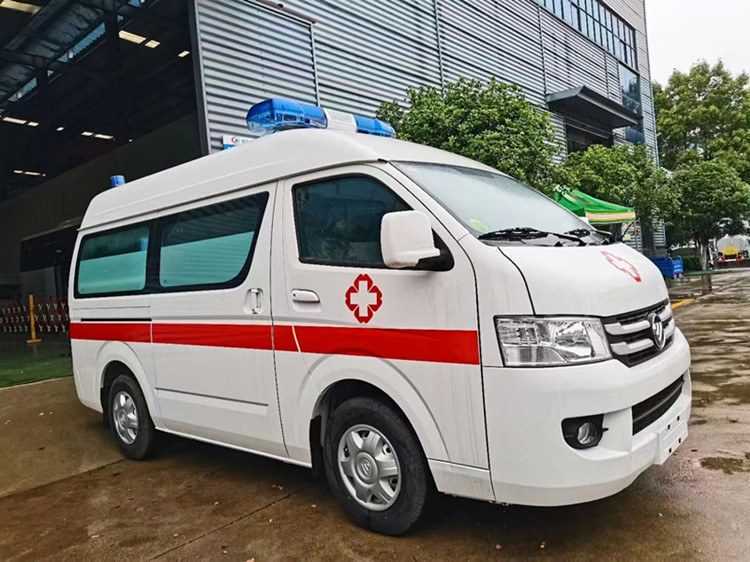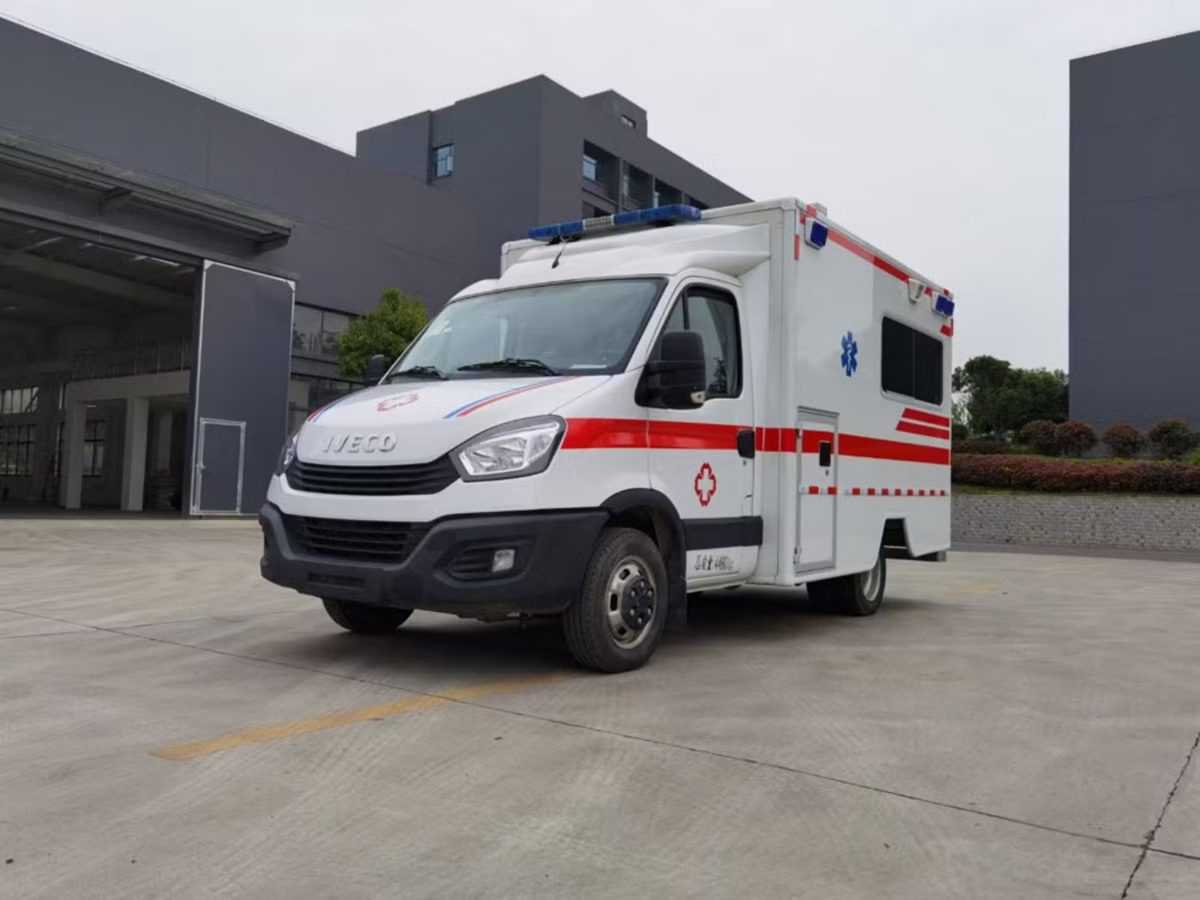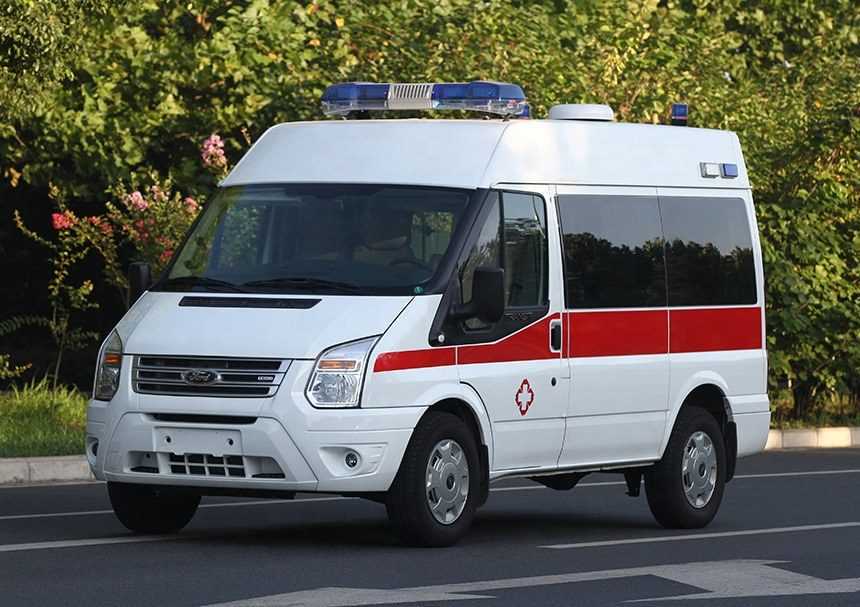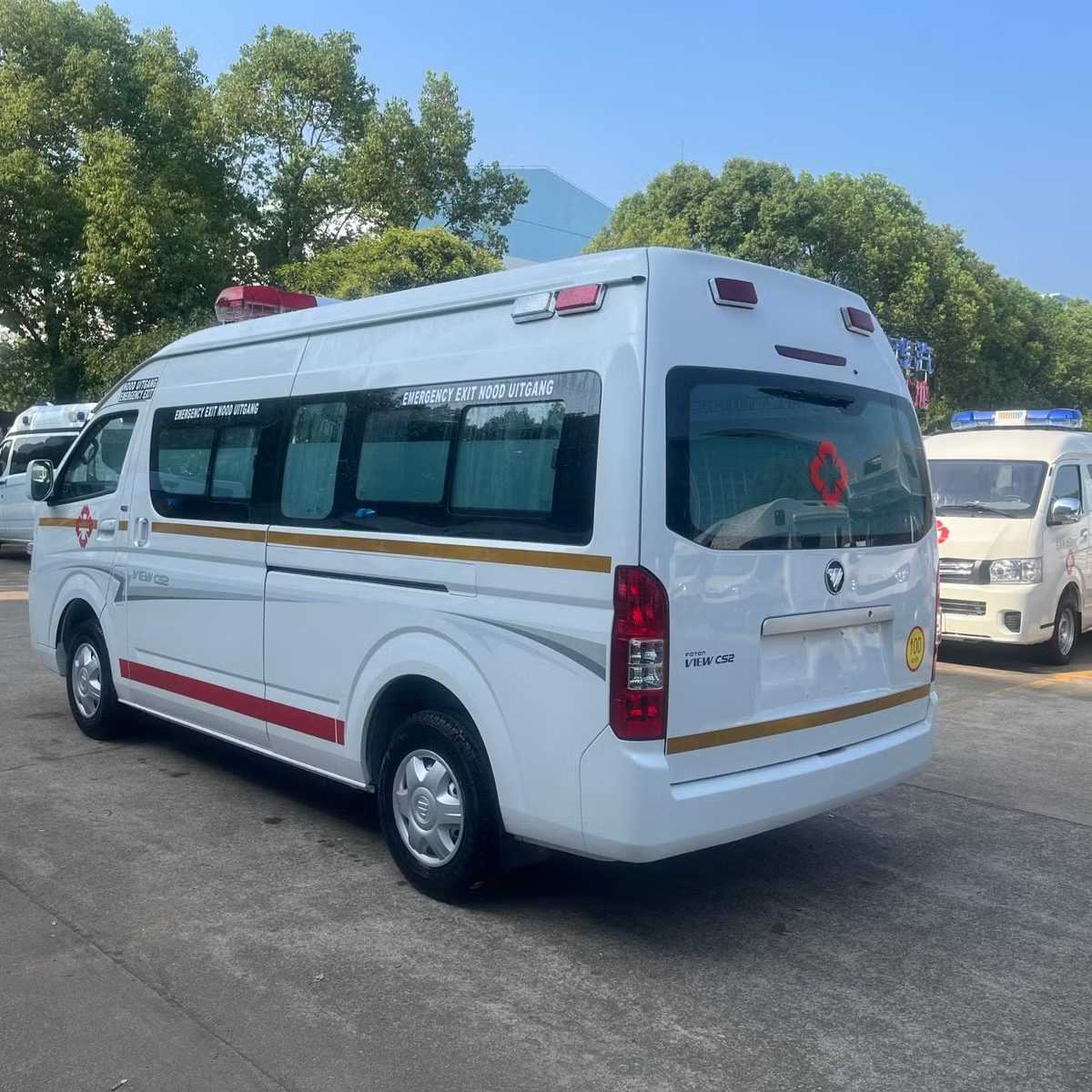
When hospital buyers, ministry tender boards, and NGO contractors request quotes from ambulance manufacturers, two bids for an apparently similar vehicle often diverge sharply. One covers a compact van with basic stretcher rails; another specifies a tropicalised 4WD rescue unit or multi-room clinic wired for ultrasound, cold-chain storage, and off-grid power. Separating chassis cost from conversion engineering and clinical equipment enables fair comparison.
Budgeting new ambulance cost across African health networks—from Kenya and Ghana to Nigeria and Zambia—requires looking beyond a headline FOB figure. Steering side, diesel emission tolerance, oxygen piping, silent power, dust sealing, and port clearance drive both purchase outlay and five-year uptime. This guide maps the key cost drivers across ambulances and mobile medical clinic trucks.
Breaking Down Ambulance Cost: Base Vehicle, Medical Conversion, and Equipment
Every medical vehicle quotation comprises three layers: the base chassis, the structural and utility conversion, and the removable clinical equipment kit. Buyers comparing ambulance price bids should request itemised pricing across all three blocks rather than a single bundled figure.
Base Vehicle Tier: Mini Van, 4WD Off-Road, or Rigid Truck Chassis
The base platform typically represents 35% to 55% of ex-factory value. Procurement teams checking mini ambulance price for urban hospitals, private clinics, and paved inter-town transfers typically specify a high-roof commercial van such as the Ford V362 Ambulance Vehicle, valued for low loading height, tight city turning radii, and economical diesel consumption.
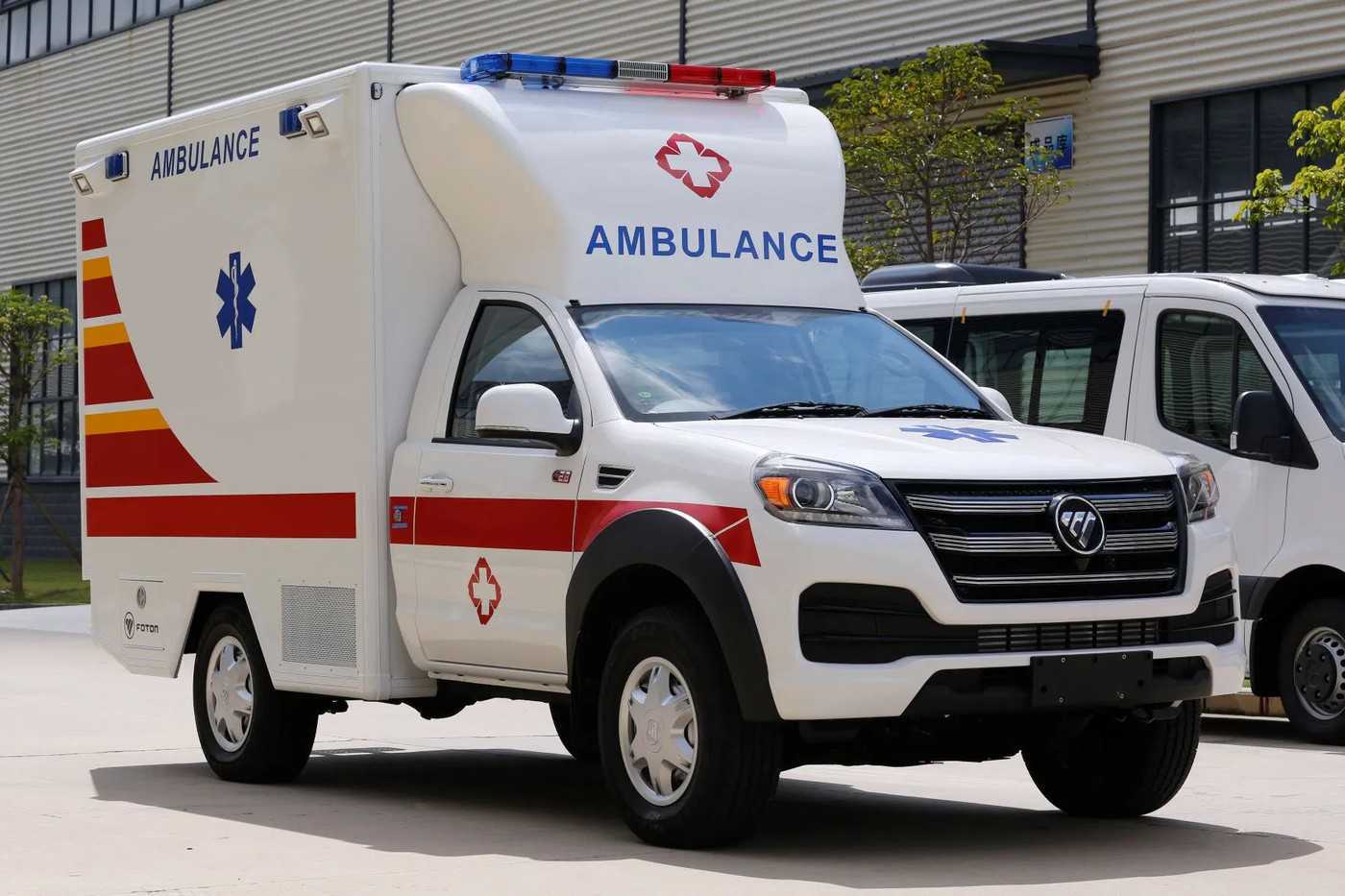
By contrast, rural referral networks, border relief teams, and extractive-sector clinics operating over corrugated laterite or muddy tracks need true 4×4 drivetrains, reinforced suspension, high ground clearance, and low-range gearing. Off-road builds like the Dongfeng M-Hero 4WD Ambulance cost more than 2WD vans upfront, yet prevent stranded referrals and suspension failures during rainy seasons. At the top tier sits a rigid commercial box-truck chassis—such as the CLW Mobile Clinic CL5200XYL6AYS—engineered for multi-room outreach, water tanks, and onboard diesel generation.
Two African chassis choices shape cost and lead time: steering side and emission tier. East and Southern Africa (Kenya, Tanzania, Uganda, Malawi, Zambia, Mozambique, South Africa) mandate RHD, while West and Central Africa (Nigeria, Ghana, Côte d'Ivoire, Senegal, Cameroon, DRC) run LHD; confirming LHD and RHD availability early prevents rework. Matching Euro II, III, or IV engine specs to local diesel sulphur levels protects injectors in rural districts.
Bare Medical Conversion vs Turnkey Equipped Delivery
A decisive choice is ordering a bare converted vehicle (medical-ready shell) versus a turnkey equipped ambulance. Bare conversion covers the bulkhead, seamless antibacterial PVC floor, insulated FRP/aluminium walls, washable cabinets, stretcher deck, siren and lightbar, auxiliary rear AC, oxygen piping, and dual-voltage wiring. Hospitals with local biomedical contracts often choose bare delivery so local engineers fit serviced monitors—and customs clears devices under medical tariffs rather than vehicle duties.
Turnkey delivery adds the full clinical bundle—loading stretcher, scoop stretcher, spine board, patient monitor, biphasic defibrillator, suction unit, ventilator, and infusion pumps—crash-mounted and bench-tested at the factory for single-contract donor accountability.
Oxygen Piping and Onboard Medical Power Systems
Inside the conversion budget, medical gas distribution and electrical architecture separate durable ambulances from fragile low-cost builds. Basic patient transport uses one 10-litre oxygen cylinder with a manual flowmeter. ICU-grade ambulances fit an externally vented twin-cylinder locker (dual 10L or 40L cylinders), brazed copper or stainless manifold, automatic changeover regulator, low-pressure alarm, and flush quick-connect wall outlets matched to DIN, BS, or Ohmeda local standards.
Electrically, running rear HVAC blowers, surgical LED lighting, suction, and patient monitors simultaneously quickly flattens a single starter battery. Proper factory conversions fit a high-output alternator (150A–220A), automatic split-charge isolator, deep-cycle AGM or lithium auxiliary battery bank, 2,000W–3,000W pure sine-wave inverter for sensitive monitors, and an IP66 220V/50Hz shore-power inlet with RCD breaker protection. Paired with tropical cooling and dust-proof sealing, these utilities add modest conversion cost while preventing electrical downtime in 45°C heat.
| Vehicle Tier & Model | Chassis & Drivetrain | Oxygen & Gas Setup | Power & Cooling | Typical Cost Split (Chassis / Conversion / Equip.) | Primary African Role |
|---|---|---|---|---|---|
| Urban / Mini Van (Ford V362 Ambulance) | High-roof 4×2 van; LHD/RHD | Twin 10L cylinders, manifold, 2 wall outlets | Upgraded alternator, aux battery, 1.5–2 kW pure sine inverter, dual-evaporator AC | ~45% / 35% / 20% | City response, private clinics, paved referrals |
| 4WD Off-Road (Dongfeng M-Hero 4WD & M-Hero Clinic) | Heavy 4×4 utility chassis, low-range transfer case | Twin 10L–20L shock-mounted cylinders, brass manifold | 24V/12V dual bank, 2.5–3 kW pure sine inverter, tropical rear AC, shore power | ~50% / 30% / 20% | Rural districts, mining corridors, muddy feeder roads |
| Box Mobile Clinic (CL5200XYL6AYS & CLW Medical Vehicle) | 4×2 or 4×4 commercial truck with insulated composite box | External gas locker, multi-room outlets, optional vacuum | 6–15 kW silent diesel generator, ATS shore switch, dual rooftop HVAC, UPS | ~35% / 40% / 25% | Outreach screening, maternal care, EPI vaccination |
Final delivered budgets vary with chassis brand, steering side, clinical device list, and destination port; formal pricing follows a written itemised quotation.
Mobile Medical Clinic Trucks: Turning a Box Chassis Into an Outreach Centre
While an ambulance focuses on rapid stabilisation and transport, a mobile medical clinic functions as a self-contained primary care post. Converting a rigid box chassis—like the CLW Mobile Clinic CL5200XYL6AYS or CLW Mobile Clinic Medical Vehicle—introduces clinical zoning, thermal, and axle-load factors that shape conversion cost.
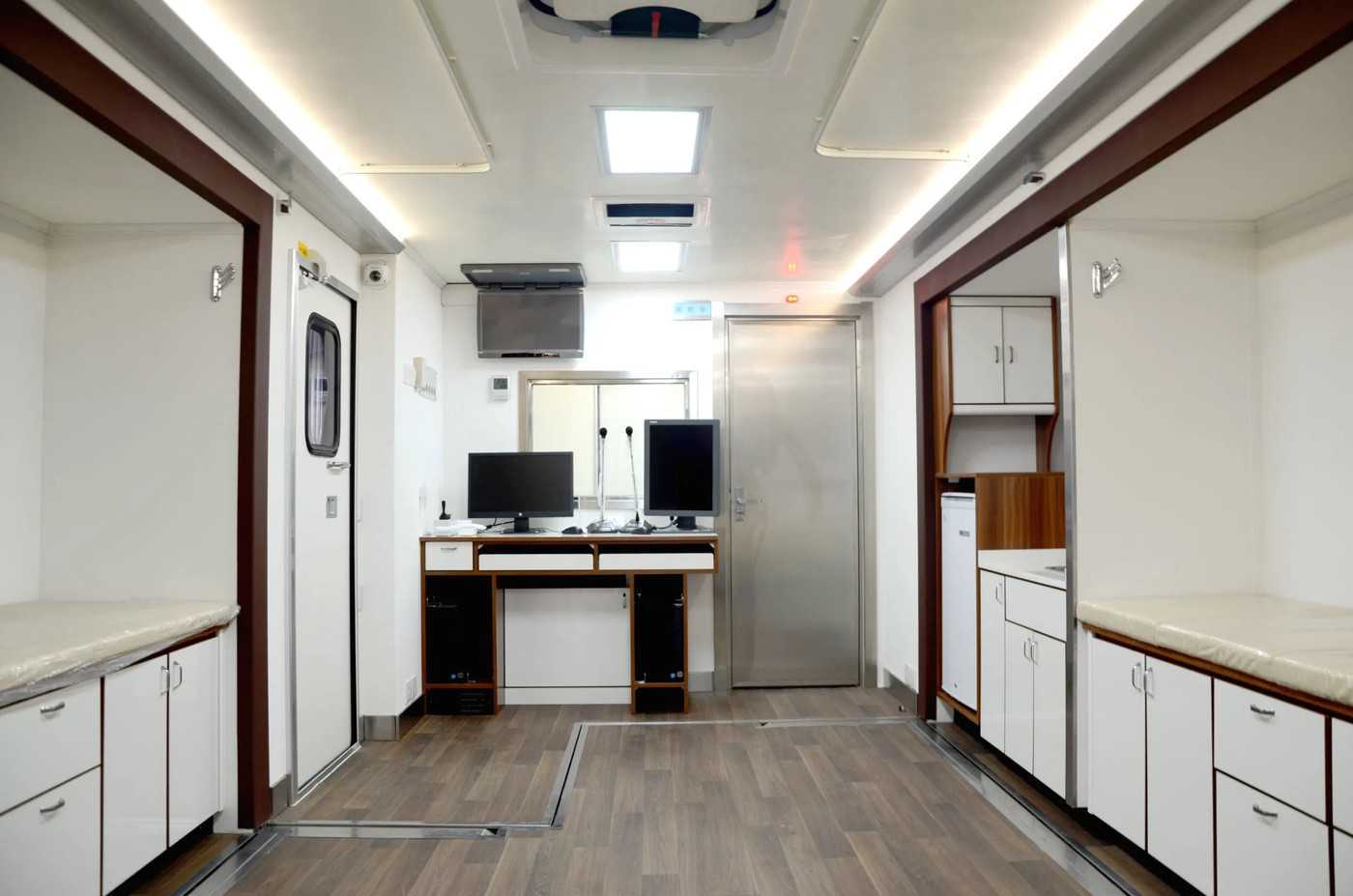
Multi-Zone Clinical Interior Architecture
A 5.5m to 7.5m polyurethane-insulated FRP composite box typically divides into dedicated zones for privacy and infection control:
- Consultation & Triage Room: Examination couch, floor-locked doctor stool, vibration-proof positive-latch cabinets, stainless handwashing sink with foot-pedal tap (100L–150L clean/grey water tanks and 12V/24V demand pump), and wall-mounted UV germicidal sterilisation lamp.
- Laboratory & Ultrasound (B-Scan) Zone: Vibration-damped benches, shock-mounted brackets for haematology analysers, centrifuges, microscopes, and portable Doppler ultrasound, conditioned AC sockets, and sealed sharps bins. TB screening units specifying digital radiography (DR X-ray) require lead-equivalent shielding built into walls, doors, and operator glass during fabrication—adding structural weight and cost calculated upfront.
- Vaccine Cold-Chain Fridge: Medical-grade 2°C–8°C compressor refrigerator wired to a dedicated priority battery circuit with digital temperature logging and door-ajar alarm, keeping EPI vaccines safe overnight when the generator is off.
Silent Onboard Generator, HVAC, and Outdoor Waiting Canopy
Field uptime depends on quiet off-grid power. Factory clinics mount an acoustic-enclosed 6 kW to 15 kW silent diesel generator in an under-chassis or rear bay drawing from the main diesel tank via a reserve pick-up pipe so driving fuel can never run dry. An Automatic Transfer Switch (ATS) shifts smoothly between shore power, onboard generation, and a pure sine-wave UPS battery bank so scans never abort.
Outside, a retractable side awning, fold-down non-slip aluminium steps (with optional wheelchair lift), exterior LED floodlights, and folding triage tables turn the shaded perimeter into an organised waiting zone for rural markets and refugee camps. Where steep or flooded tracks block large trucks, hybrid platforms like the Dongfeng M-Hero Mobile Clinic Ambulance combine consultation, ultrasound, and evacuation on one 4×4 chassis.
Under-sizing auxiliary power is a common mistake in low-bid clinic tenders. Running two tropical rooftop air conditioners alongside ultrasound, lab gear, lighting, and a vaccine fridge draws 6–8 kW continuous load plus compressor surges. Specifying a 10–12 kW silent diesel generator with thermal derating headroom prevents breaker trips in dry-season heat. Placing the generator, water tanks, batteries, and any X-ray shielding symmetrically across front and rear axles also keeps the truck within EAC and ECOWAS single-axle weighbridge limits.
Why Direct Factory Conversion Matters for NGO and Government Audits
Ministry and donor-funded health tenders face strict technical audits. Buying through multi-layer brokers or informal local workshops often triggers compliance failures: undocumented chassis modifications, plywood cabinets that swell in coastal humidity, missing wiring schematics, and inconsistent spare parts across fleet units.
Sourcing directly from an integrated factory—verifiable via a live factory tour and documented regional deliveries on the CLW project portfolio—delivers four audit-ready controls:
- Pre-Production CAD Layout Sign-Off: Engineers issue 2D and 3D layout drawings showing stretcher clearance, door arcs, oxygen outlets, cabinet dimensions, and axle-load balance for clinical approval before cutting panels.
- Stage-by-Stage Factory Video Inspection: Buyers verify chassis VINs, rust-proofing, wall insulation thickness, concealed wiring conduits, and oxygen leak-pressure tests via live video before interior panelling closes the cavities.
- English Electrical Schematics & Maintenance Manuals: Colour-coded wiring diagrams, labelled fuse-and-relay boxes, plumbing schematics, and parts lists allow local biomedical technicians to replace standard relays, inverters, or pumps without proprietary lock-in.
- Tender & Governance Packs: Export teams provide tender support documentation, manufacturer authorisations, and quality management records under factory certificates (noting that ISO management-system certificates verify factory production processes rather than serving as destination-country vehicle homologation approvals). Always confirm official payment accounts via our anti-fraud notice before remitting deposits.
When one bid sits unusually low, check five lines immediately: modified sine-wave inverters instead of pure sine-wave (risking damage to monitors and ultrasound units), rubber oxygen hoses instead of brazed copper/stainless piping, painted wood cabinets instead of waterproof PVC/aluminium composite, shared cab AC instead of an independent rear tropical evaporator, and omitted crash-tested stretcher brackets.
Containerised vs Ro-Ro Delivery for Medical Vehicles
Shipping mode directly affects landed cost and arrival condition at African entry ports—Mombasa (Kenya, Uganda, Rwanda, South Sudan), Dar es Salaam (Tanzania, Zambia, Malawi, DRC), Apapa and Tin Can Island (Nigeria), Tema (Ghana and Sahel corridors), and Durban or Beira (Southern Africa).
| Logistics Factor | 40ft High-Cube Container (40'HC) | Ro-Ro Vessel (Roll-on / Roll-off) | 40ft Flat-Rack Container |
|---|---|---|---|
| Height & Vehicle Fit | Fits 1–2 mini/van ambulances (~2.58m door height; lightbar removed and boxed) | Fits tall 4WD ambulances and box clinic trucks (3.4m–3.8m+ height) assembled | For tall box clinics on corridors with infrequent Ro-Ro sailings |
| Protection for Medical Gear | Highest security against salt spray, pilferage, and weather; factory-sealed | Under-deck stowage shields from spray; lock or ship loose medical gear separately | Needs shrink-wrap, tarping, and supervised lashing |
| Port Handling & Clearance | Fast gantry discharge at Tema, Apapa, Mombasa, Dar es Salaam, Durban; ramp devanning | Driven off ship with minimal reassembly; needs experienced clearing agent | Crane lift; higher terminal handling charges and low-bed haulage |
| Pre-Shipment Inspection | Fits KEBS PVoC, TBS, SONCAP, and Ghana inspection before sealing | Inspection and VIN verification completed at export yard before loading | Full inspection prior to lashing; out-of-gauge permits checked early |
| Best Fleet Fit | Urban van ambulances, spare kits, and turnkey medical device bundles | 4WD ambulances, multi-room mobile clinics, and multi-unit ministry fleets | Single oversized clinic trucks for non-Ro-Ro ports |
Managing Hidden Port and Clearance Costs
Align three items early with your clearing broker and our payment and shipping team:
- Pre-Shipment Conformity Inspection: Kenya (KEBS PVoC), Tanzania (TBS), Nigeria (SONCAP), and Ghana require pre-export inspection. Booking inspection alongside factory completion prevents port fines and demurrage; review our import compliance guide before opening an L/C.
- Duty Waivers & Invoice Split: Ministries, mission hospitals, and registered NGOs often hold duty/VAT waivers. Confirm early whether your waiver requires one consolidated special-purpose vehicle invoice (HS 8705/8703) or an itemised medical-equipment sub-schedule.
- Transit Battery Disconnect: Marine rules require disconnected batteries during voyage. Labelled isolation switches and arrival checklists let port drivers recommission inverters and HVAC without blowing fuses.
Frequently Asked Questions on Ambulance & Mobile Clinic Procurement
What is the typical production lead time?
Stock-chassis van ambulances usually take 30 to 45 days for conversion, testing, and inspection. 4WD ambulances and box clinics with silent generators, labs, or X-ray shielding take 45 to 75 days after CAD sign-off and deposit.
Should we choose bare conversion or turnkey delivery?
Order bare conversion (oxygen, power, cabinetry, stretcher deck, rear AC) if you hold local biomedical contracts or prefer separate device tariffs. Choose turnkey delivery when donor tenders require single-supplier accountability and immediate post-port deployment.
Can CLW supply RHD models for East and Southern Africa?
Yes. Factory chassis cover RHD units for Kenya, Tanzania, Uganda, Zambia, Malawi, Mozambique, and South Africa, plus LHD units for Nigeria, Ghana, and Francophone West and Central Africa.
How are spare parts and medical utilities serviced locally?
Widely supported diesel engines paired with standard 12V/24V relays, pure sine-wave inverters, accessible gas regulators, and English schematics let local mechanics and biomedical technicians handle upkeep, optionally backed by a two-year spare-parts kit.
Requesting a Custom Ambulance or Mobile Clinic Proposal
Whether benchmarking mini ambulance price tiers for city hospitals, specifying 4WD rescue units, or budgeting outreach clinic fleets, clear engineering specs ensure transparent factory pricing. Explore our mobile clinic range, ambulance lineup, and ordering guide to prepare your procurement brief.
Get an Itemised Factory Quotation & 2D Layout Drawing
Share five project details so our engineers can prepare a line-by-line chassis, conversion, equipment, and FOB/CIF proposal:
- Vehicle Type & Quantity: Urban van ambulance, 4WD off-road ambulance, or box mobile clinic truck (plus unit count).
- Destination, Steering & Terrain: Discharge port (Mombasa, Tema, Apapa, Dar es Salaam, Durban, etc.), LHD or RHD, and paved vs unpaved roads.
- Conversion Scope: Bare converted medical shell (oxygen, power, AC, cabinets) or turnkey equipped with clinical devices.
- Clinical Modules & Utilities: Ultrasound/B-scan, lab bench, 2°C–8°C vaccine fridge, X-ray shielding, silent generator capacity, or side awning.
- Timeline & Compliance: Target delivery window, inspection regime (PVoC/SONCAP/TBS), and any ministry or NGO tender documentation needed.