Fleet enquiries for Africa[email protected]

Mobile Clinic CLW

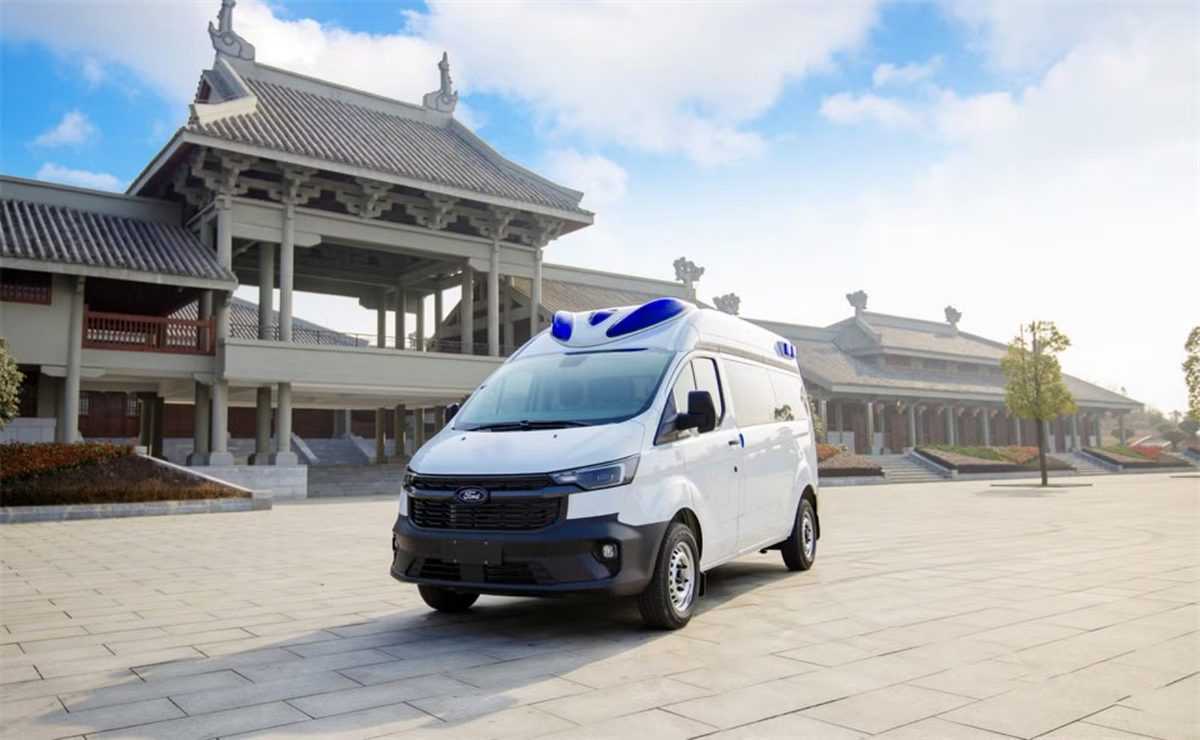
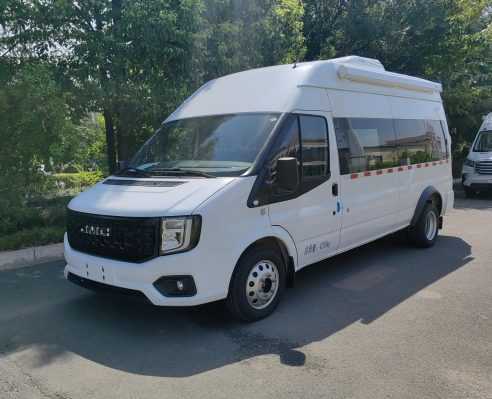
CLW Ford 2.2L Negative-Pressure & ICU Medical Van for Hospital Fleet Operations

This CLW 5.78-meter mobile clinic and negative-pressure medical van combines a 100 kW, 2,198 mL Ford diesel chassis (3,700 kg GVW) with a polymer-lined cabin, dual 10 L oxygen pipeline, UV sterilizer, and stretcher system for hospital referrals, isolation transfers, and mobile acute care across Africa.

01 / Capability

Understand what the specification means.

Integrated Onboard Oxygen Supply

Two 10 L medical oxygen cylinders, damping clamps, hidden pipeline, 2 outlets & humidifier

Delivers continuous piped oxygen therapy during extended inter-hospital transfers without loose bottles cluttering the clinical workspace.

Operating conditions
Assumes cylinders are filled to rated pressure prior to dispatch and local oxygen regulators match installed outlet standards.
What affects the result
Supply duration depends on patient flow rate (L/min) and whether additional portable backup cylinders are carried.

Rapid-Sanitization Polymer Cabin

Polymer hardtop liner, non-slip medical floor, sliding-window partition & UV strip sterilizer

Minimizes crevices where contaminants collect, accelerating decontamination turnaround between infectious or trauma cases.

Operating conditions
Assumes routine surface disinfection combined with unoccupied UV sterilization cycles and active two-way cabin ventilation.
What affects the result
Turnaround time depends on hospital infection-control protocol and whether a dedicated negative-pressure HEPA filtration module is specified.

Scalable Clinical Power & Trim

500 W sine wave inverter (1,000 W in ICU trim) with 220V/12V sockets & shore power option

Supports onboard suction units, patient monitors, and infusion pumps while keeping driver-cab and medical circuits protected.

Operating conditions
Assumes total connected medical load stays within the chosen 500 W or 1,000 W inverter rating and auxiliary batteries are maintained.
What affects the result
Continuous off-grid operating duration varies with medical device draw, auxiliary battery capacity, and engine-idle charging time.

02 / Specification

The vehicle, system by system.

Referral hospitals, infectious-disease centers, and emergency medical networks across Africa require medical vans that combine reliable inter-facility transport with strict cabin hygiene and onboard oxygen support. Built on a 5,780 mm by 2,000 mm by 2,580 mm Ford Transit chassis with a 3,750 mm wheelbase and 3,700 kg gross vehicle weight, this CLW mobile medical unit is powered by a 2,198 mL, 100 kW Ford diesel engine paired with a manual transmission and an air-conditioned driver cab.

Infection-Control Interior and Integrated Oxygen Infrastructure

The patient and treatment compartment is separated from the cab by a full partition with a sliding observation window, lined with an easy-to-disinfect polymer hardtop interior and a seamless non-slip blue wear-resistant medical floor. Along the left wall, modular cabinetry houses an upper hanging medical cabinet, mid-cabin equipment lockers, and a rear vertical oxygen cabinet fitted with two 10-liter medical oxygen cylinders, damping clamps, a hidden pipeline, two standard oxygen outlets, and a humidification bottle. Cabin utilities include two-way ventilation, dedicated heating and cooling, a UV strip sterilizer, a roof infusion rack, a stretcher and loading platform, and an inverter-backed 220V/12V power distribution panel.

Transit or ICU Specifications for Fleet Procurement

  • Two scalable builds: Configurable in Transit transport trim (500 W inverter, portable folding stretcher) or ICU trim (1,000 W inverter, automatic loading stretcher, shore power, and expanded medical cabinetry).
  • Visibility & emergency signaling: Equipped with a roof warning light bar, rear modular flashing lights, 100 W siren, four interior LED cabin lights, and reflective red first-aid exterior graphics.
  • Flexible hospital fleet purchasing: Supplied from 1 unit upward with tiered fleet pricing and phased batch delivery via container or RO-RO vessel.

Chassis & powertrain
Chassis & Engine Brand
Ford Transit chassis with Ford diesel engine
Engine Displacement & Output
2,198 mL diesel, 100 kW power
Transmission & Emission Standard
Manual transmission; Euro 6 base specification
Overall Dimensions (L × W × H)
5,780 × 2,000 × 2,580 mm
Wheelbase
3,750 mm
Weights (GVW / Curb)
3,700 kg GVW; 2,600 kg curb weight
Tires
4× 215/75R16LT tires
Cab & Seating Capacity
Air-conditioned cab; 3–9 person rated seating capacity (layout dependent)
Body & tank
Interior Lining & Floor
Easy-to-disinfect polymer hardtop interior with blue wear-resistant non-slip medical floor
Cab-to-Cabin Partition
Full isolation partition wall fitted with sliding observation glass window
Medical Cabinetry
Left upper hanging cabinet, mid-left equipment lockers, and left-rear vertical oxygen cabinet
Clinician & Escort Seating
Right-side independent attendant seat plus 2-person soft bench with seat belts
Windows & Structural Mounts
2/3-height medical cabin glass windows and hidden embedded safety mounting points
Exterior Identification
White body finish with high-visibility red reflective striping and first-aid markings
Working equipment
Oxygen Pipeline System
2× 10 L cylinders with damping clamps, concealed pipeline, 2 standard outlets & 1 humidification bottle
Electrical & Inverter System
500 W sine wave inverter (1,000 W in ICU trim), 220V/12V sockets (2+1), rocker-switch protection box
HVAC & Air Exchange
Dedicated medical-cabin cooling/heating system and two-way cabin ventilation
Sterilization & Infusion
UV strip sterilizer and ceiling-mounted infusion rack (2 hooks)
Patient Handling
Stretcher and loading platform (portable folding stretcher in Transit trim; automatic carriage stretcher in ICU trim)
Cabin Lighting
4× interior LED medical cabin lights
Safety equipment
Emergency Visual Signaling
Full roof warning light bar plus 2 rear roof-mounted modular flashing lights
Audible Warning
100 W emergency siren system
Structural & Occupant Safety
Hidden embedded reinforcement mounts throughout cabin and belted escort seating
Fire & Waste Containment
Onboard fire extinguisher and dedicated medical trash bin
Configuration options
Negative-Pressure Isolation Module
Dedicated HEPA negative-pressure filtration unit for infectious-disease patient containment
ICU Upgrade Package
1,000 W inverter, external shore-power inlet, automatic loading stretcher, and expanded integral cabinetry
Steering & Emission Calibration
LHD or RHD steering build and destination-appropriate emission tier
Portable Medical Devices
Optional defibrillator/monitor, suction pump, transport ventilator, and syringe pump mounts
Custom Hospital Branding
Regional emergency numbers, ministry crests, and multilingual exterior signage

03 / Applications

Choose for the work ahead.

Suitable duties

  • Public and private hospital referral fleets transporting acute or infectious patients between facilities
  • Urban emergency medical services and highway trauma corridors on paved road networks
  • Airport, seaport, and border health posts needing negative-pressure isolation transfer capability
  • Healthcare buyers wanting a ready-to-deploy oxygen-piped interior in either Transit or ICU grade

Outside the intended duty

  • Extreme unpaved mud, deep sand, or boulder tracks requiring a 4x4 off-road chassis
  • Multi-room community health screening campaigns needing an 8–9 meter walk-in bus
  • Heavy diagnostic imaging suites such as mobile CT or full dental-lab trailers

04 / Procurement

A clearer brief. A better fleet fit.

  • Choice between Transit configuration, ICU configuration, or negative-pressure isolation package
  • Required steering side (LHD or RHD) and local fuel/emission compliance rules
  • Oxygen outlet standard used by your hospitals and list of any portable medical devices to be mounted
  • Preferred electrical voltage/plug standard and exterior hospital branding
  • Total fleet count, phased delivery needs, and destination African port
What is the difference between the Transit and ICU cabin configurations?

The Transit build focuses on standard patient transfer with a portable folding stretcher, single oxygen cylinder mount, and 500 W inverter, whereas the ICU build upgrades to an automatic carriage stretcher, 1,000 W inverter, shore-power inlet, integral left-side cabinetry, and expanded lighting and sockets.

What oxygen system is built into the medical compartment?

The rear-left vertical oxygen cabinet holds two 10-liter medical oxygen cylinders secured by damping clamps, connected via a concealed pipeline to two standard cabin oxygen ports with a humidification bottle.

Does the base price include portable medical electronics like monitors or ventilators?

The base unit comes without third-party portable medical electronics so hospitals can standardize on locally serviced brands, while full ICU and negative-pressure equipment packages can be quoted as factory-installed options.

How can hospital networks procure multiple units cost-effectively?

Reference pricing is USD 26,000–27,500 FOB China from 1 unit. Larger multi-vehicle orders qualify for tiered unit pricing and can be scheduled in phased delivery batches aligned with hospital commissioning timelines.

Buying guide

Plan the right specification.

Your fleet. Your requirements.

Let’s configure your next vehicle.

Share the duty, destination and quantity. Include the details below so CLW can prepare a configuration and quotation for your project.

[email protected] ↗