Fleet enquiries for Africa[email protected]

Ambulance CLW

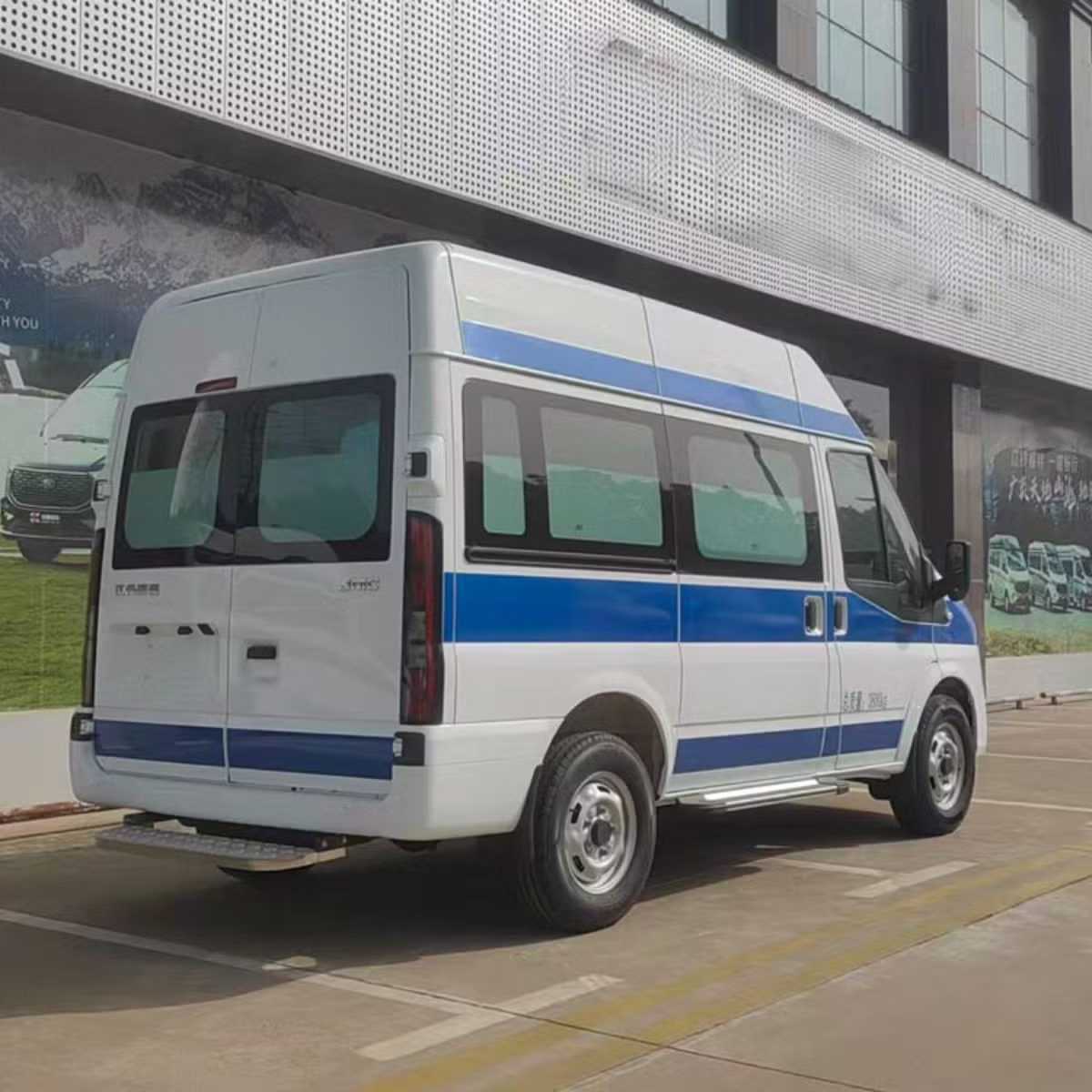
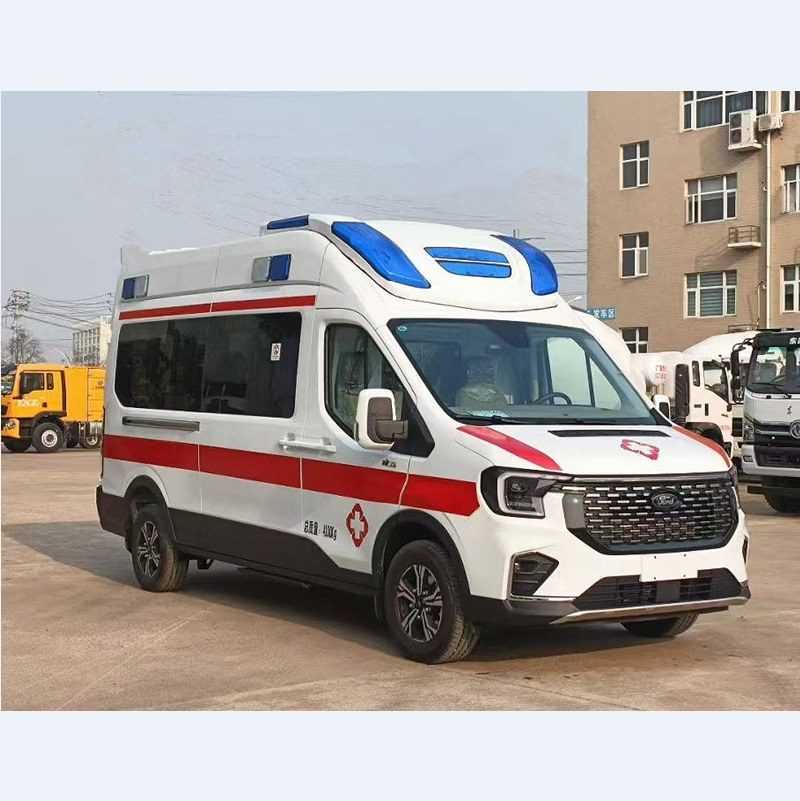
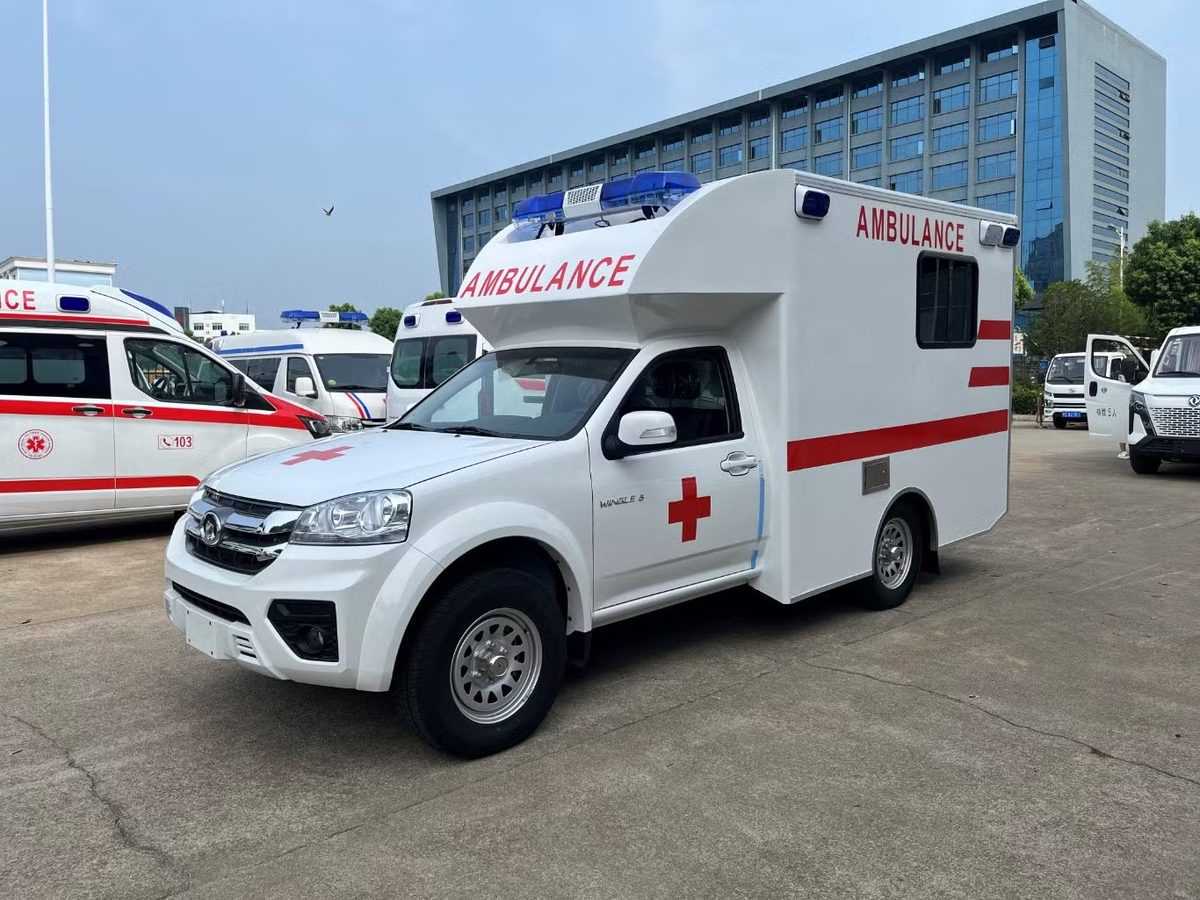
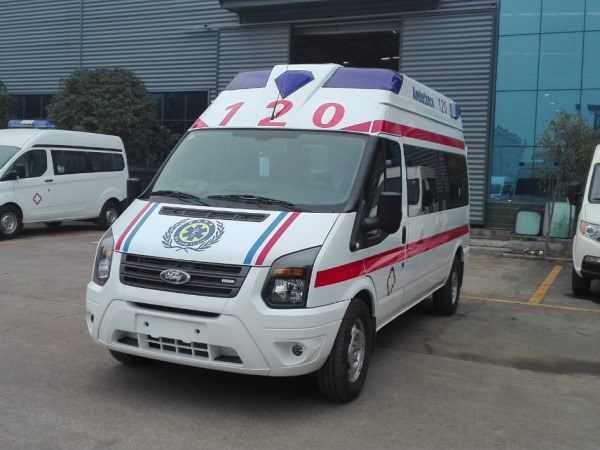
JMC High-Roof Negative-Pressure Isolation Ambulance for High-Risk Patient Transport

The CLW5042XJHJX6 is a 5,660 mm high-roof negative-pressure isolation and monitoring ambulance built on a JMC van chassis with configurable Euro 3–6 powertrains. It serves African ministries of health, quarantine units, and referral hospitals transporting high-risk or infectious patients safely across paved and regional routes.

01 / Capability

Understand what the specification means.

High-Roof Isolation Volume

5,660 × 1,974 × 2,720 mm exterior envelope on 3,360 mm wheelbase

Offers generous interior headroom and length for isolation stretchers, negative-pressure hardware, and attendants wearing full protective gear.

Operating conditions
Based on the standard high-roof JMC body dimensions before optional external lightbar height additions.
What affects the result
Installed isolation chamber type, cabinet depth, and medical device mounts determine remaining aisle space.

Multi-Market Emission & Fuel Flexibility

Configurable Euro 3, Euro 4, Euro 5, or Euro 6; diesel or gasoline (150–250 hp class)

Allows ministries of health and NGOs to match local fuel quality and import emission rules without redesigning the medical cabin.

Operating conditions
Power output, gearbox (MT/AT), and emission tier are fixed per chassis selection during pre-production engineering.
What affects the result
Chosen chassis brand, fuel type, and local sulfur levels affect maintenance intervals and fuel economy.

Drivetrain Adaptability

4x2 standard or optional 4x4 traction on 215/75R16LT tires (4 + 1 spare)

Covers both paved metropolitan quarantine corridors and rough district roads under one standardized medical body program.

Operating conditions
Assumes proper tire load rating and periodic rotation across single-rear-axle chassis layout.
What affects the result
Road surface conditions, wet-season mud, and total installed clinical payload govern traction performance.

02 / Specification

The vehicle, system by system.

Public health agencies, epidemic-response centers, and referral hospitals across Africa need ambulances capable of isolating airborne and high-risk infectious patients without exposing drivers or medical staff. Built around a high-roof 5,660 × 1,974 × 2,720 mm body on a 3,360 mm wheelbase, the CLW5042XJHJX6 integrates negative-pressure isolation functionality with a monitoring-grade patient compartment on a proven JMC base platform.

Flexible Chassis and Powertrain Adaptation

African markets vary widely in local diesel sulfur levels, road conditions, and dealer parts networks. The CLW5042XJHJX6 addresses this directly by supporting Euro 3, Euro 4, Euro 5, or Euro 6 emission specifications, diesel or gasoline engines in the 150–250 hp class, manual or automatic transmissions, and 4x2 or 4x4 drive layouts. Riding on 215/75R16LT light-truck tires with a full-size spare, the single-rear-axle chassis maintains practical serviceability across regional workshops.

Isolation and High-Risk Medical Workflow

  • High-Roof Standing Clearance: The 2,720 mm overall roof height gives attendants comfortable vertical room to operate isolation hoods, airway equipment, and monitoring devices while wearing full PPE.
  • Controlled-Airflow Cabin Concept: Designed for negative-pressure patient isolation, keeping contaminated air directed away from the forward cab and through dedicated filtration prior to exhaust.
  • Custom Clinical Integration: Supplied with medical equipment configuration tailored to tender requirements, along with customizable white or agency-branded exterior livery.

Multi-Unit Health Fleet Supply

Whether procuring a single district isolation van or equipping a national epidemic-preparedness fleet, buyers can align chassis brand options, steering side, and medical fit-out before production. Tiered pricing reduces unit costs on larger orders, and multi-vehicle contracts support phased batch delivery via RO-RO, bulk vessel, or container shipping.

Chassis & powertrain
Base Chassis Platform
JMC high-roof van chassis (optional Ford, Iveco, Foton, Toyota, Dongfeng, Mercedes-Benz platforms)
Dimensions & Wheelbase
5,660 × 1,974 × 2,720 mm (L × W × H); 3,360 mm wheelbase
Powertrain Class
150–250 hp class (160–210 hp base bracket); diesel or gasoline configurable
Emission Options
Euro 3, Euro 4, Euro 5, or Euro 6 configurable by destination market
Transmission & Drive
Manual or automatic transmission; 4x2 or 4x4 drive configurable; single rear axle
Tires
215/75R16LT light-truck tires (4 + 1 spare)
Body & tank
Ambulance Type
High-roof negative-pressure isolation and high-risk monitoring ambulance
Body Dimensions
5,660 mm length × 1,974 mm width × 2,720 mm high-roof height
Exterior Color & Branding
Standard white medical finish with customizable agency colors and reflective livery
Working equipment
Isolation Configuration
Negative-pressure medical cabin architecture for high-risk infectious patient containment
Medical Fit-Out
Equipped with medical aid compartment package aligned to buyer clinical specifications
OEM Customization
Supports tailored cabinetry, oxygen plumbing, electrical inverter, and warning light layouts
Configuration options
Chassis & Steering Options
Optional LHD or RHD steering layout and alternate chassis brands (Ford, Iveco, Foton, Toyota)
Drivetrain & Gearbox
Optional 4x4 all-wheel drive and automatic transmission for mixed urban-rural territories
Negative-Pressure Isolation Chamber
Optional portable negative-pressure isolation stretcher hood and spare HEPA filter kits
Monitoring & Life-Support Gear
Optional patient monitor, portable ventilator, suction unit, defibrillator, and UV disinfection lamp
Tropical Climate Package
Optional heavy-duty independent rear A/C, rear-view camera, and shore-power charging inlet

03 / Applications

Choose for the work ahead.

Suitable duties

  • National and provincial epidemic-control teams transporting suspected or confirmed airborne infectious patients.
  • Airport, seaport, and land-border quarantine stations requiring high-roof isolation ambulances.
  • Multi-country NGO health programs needing one medical body layout adaptable across Euro 3 to Euro 6 rules.
  • Hospitals running mixed paved and regional routes where optional 4x4 traction adds seasonal resilience.

Outside the intended duty

  • Heavy off-road mining recovery or extreme deep-mud tracks requiring a dedicated chassis-cab 4x4 truck.
  • Low-clearance underground hospital parking structures below 2.75 m height.
  • Routine non-isolation patient transport if simpler transfer-only vans better fit tight capital budgets.

04 / Procurement

A clearer brief. A better fleet fit.

  • Preferred chassis platform (JMC base or alternate brand), steering side (LHD/RHD), and 4x2 vs. 4x4 drive.
  • Target emission standard (Euro 3, 4, 5, or 6) and fuel preference (diesel or gasoline).
  • Required negative-pressure specification, HEPA filtration grade, and isolation stretcher needs.
  • Complete medical device list (oxygen cylinders, monitor, ventilator, inverter capacity).
  • Fleet order quantity, destination port, shipping mode (RO-RO/bulk/container), and phased delivery plan.
Can the CLW5042XJHJX6 be ordered with Euro 3 or Euro 4 engines for African fuel standards?

Yes. Unlike single-spec domestic builds, this negative-pressure ambulance platform supports Euro 3, Euro 4, Euro 5, and Euro 6 emission configurations across diesel or gasoline engines so it matches local fuel sulfur levels and import rules.

What makes the 2,720 mm high-roof body advantageous for isolation duty?

The extra interior standing height gives medical crews wearing protective coveralls and face shields ample clearance to load isolation stretchers, check negative-pressure gauges, and administer airway care without stooping.

Are both 4x2 and 4x4 drive configurations available on this model?

Yes. Standard urban quarantine fleets typically choose 4x2 for lower fuel consumption, while rural district health teams operating on unpaved roads can specify the optional 4x4 configuration and manual or automatic gearbox.

How are multi-unit ministry or NGO tenders priced and shipped?

Pricing is tiered by order volume—larger fleets achieve lower per-unit pricing—and large procurements support phased batch delivery via RO-RO, bulk cargo, or container vessels to match regional distribution timelines.

Buying guide

Plan the right specification.

Your fleet. Your requirements.

Let’s configure your next vehicle.

Share the duty, destination and quantity. Include the details below so CLW can prepare a configuration and quotation for your project.

[email protected] ↗