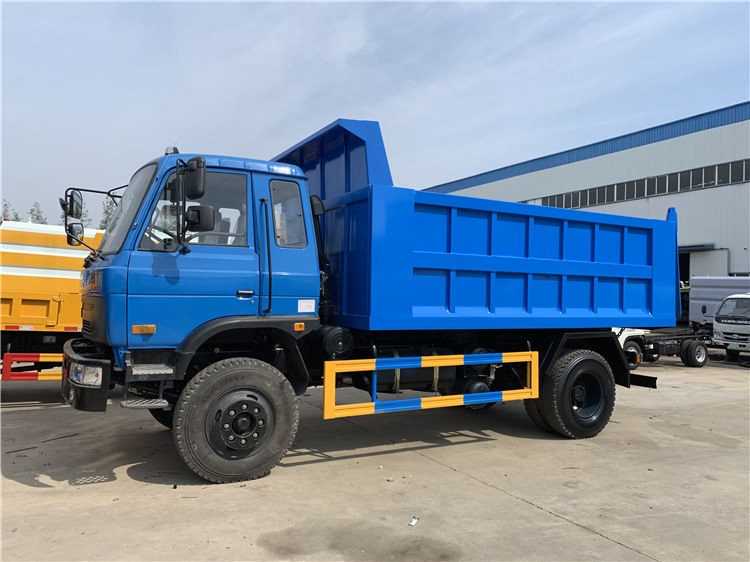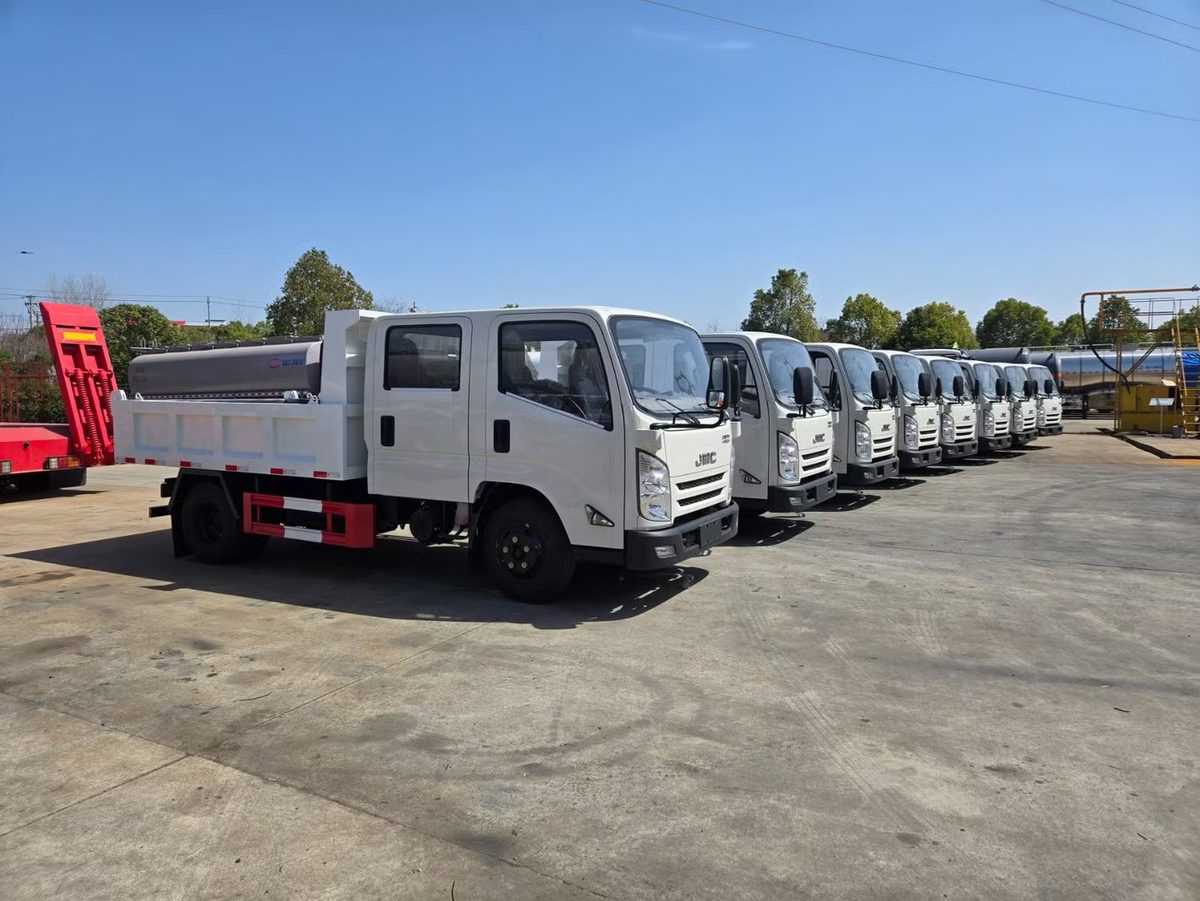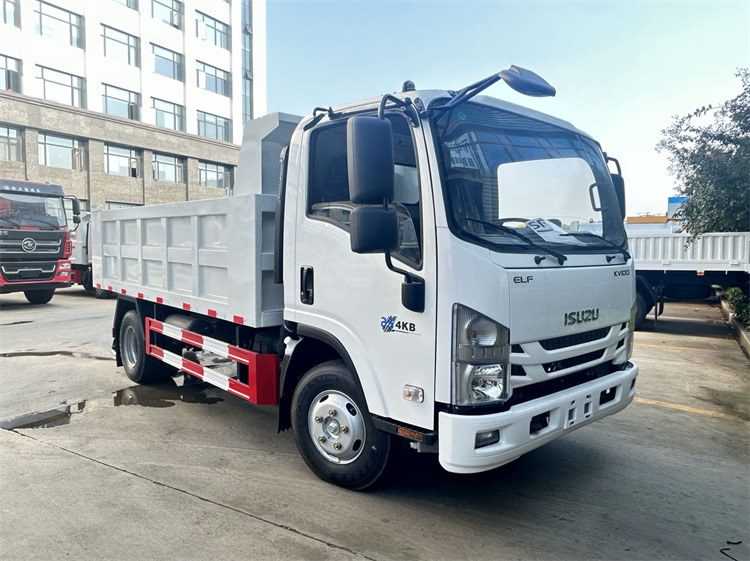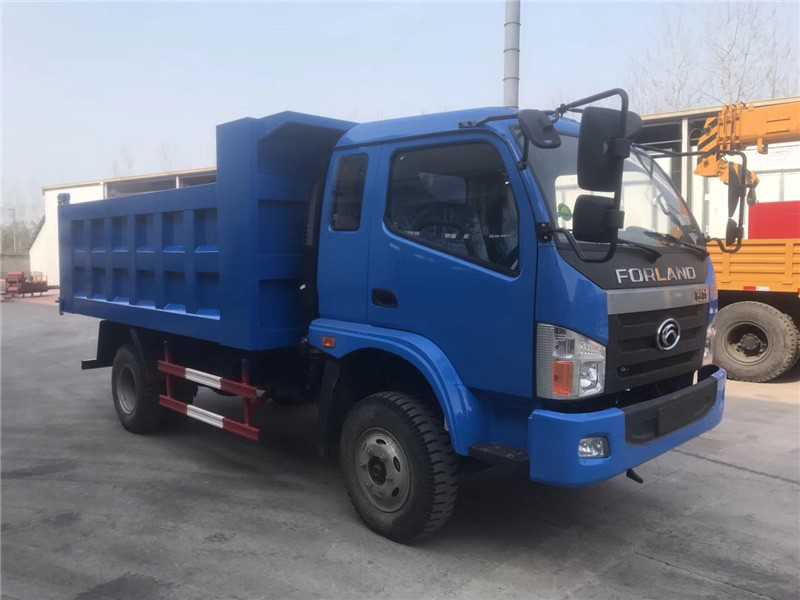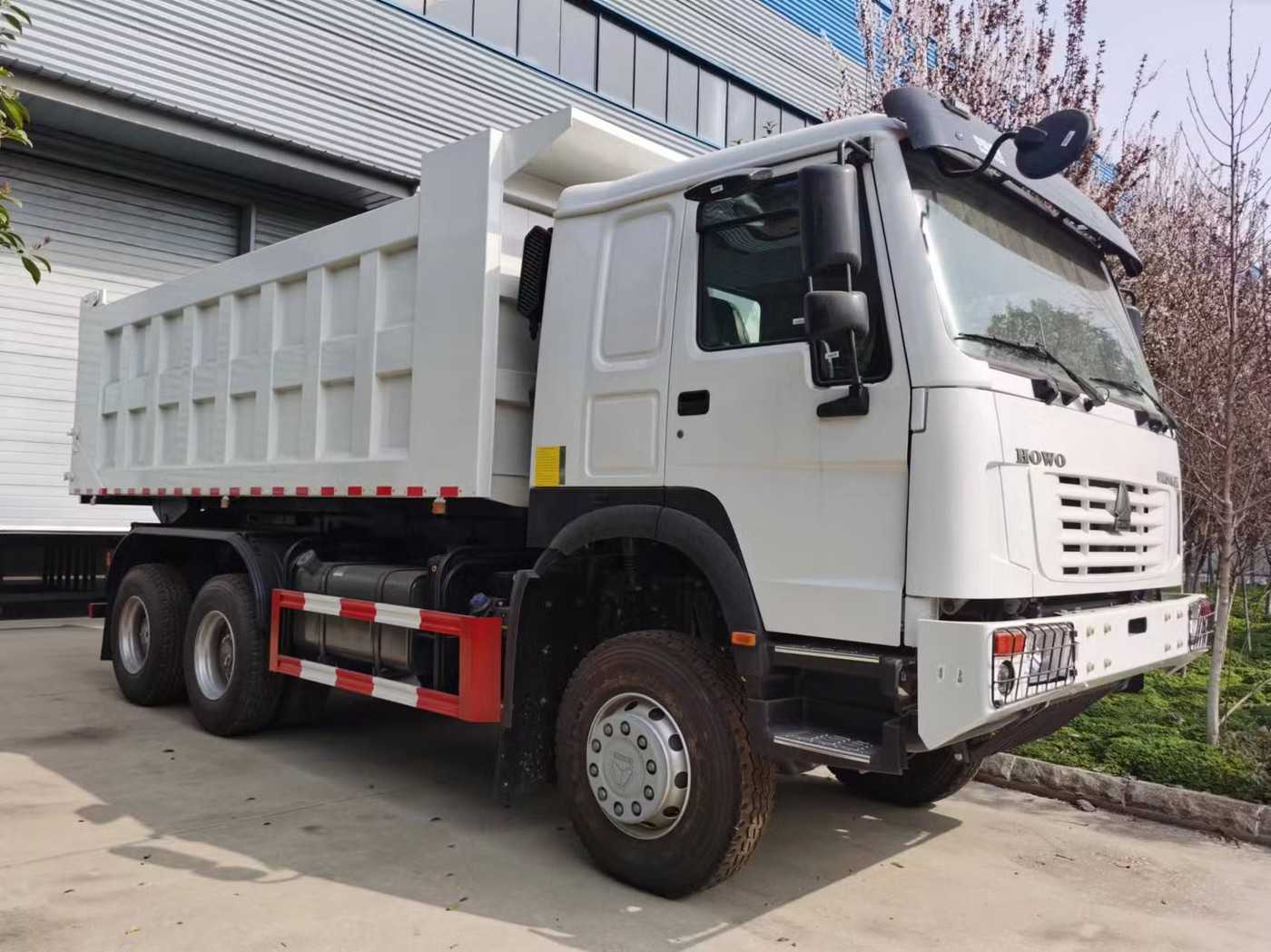
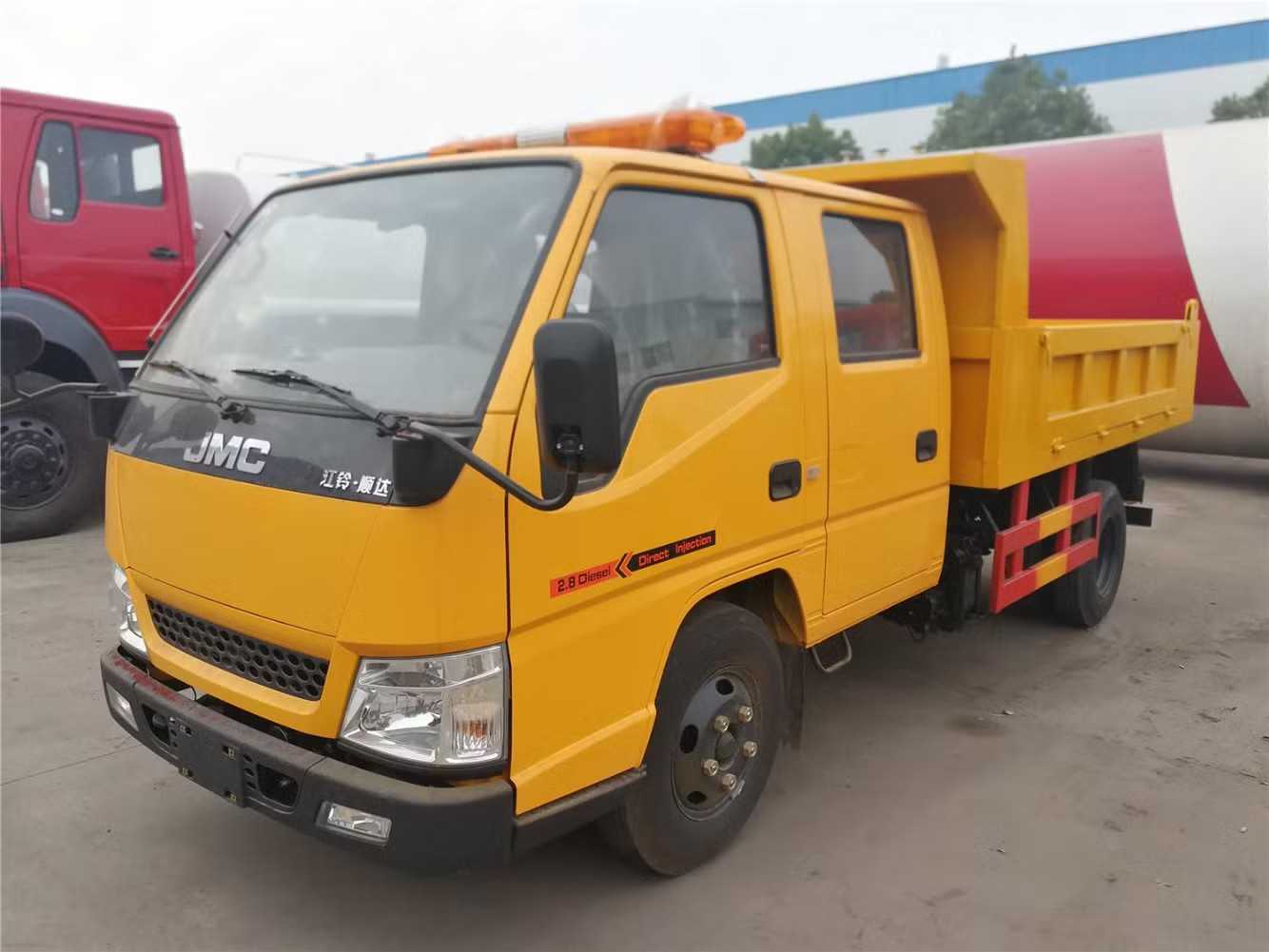
Taking delivery of a new dump truck after port clearance in Tema, Mombasa, Dar es Salaam, Apapa, or Durban is only the start of profitable operation. Most early hydraulic failures, twisted subframes, and site rollovers happen when drivers move off flatbed haulers without structured tipping training. Grasping the practical difference between tipper and truck platforms is essential for every African fleet supervisor: unlike a rigid cargo truck with a low, fixed center of gravity, a tipper combines a transmission-driven power take-off (PTO), a high-pressure hydraulic circuit, a hinged subframe, and a heavy steel body that lifts multi-ton aggregate or laterite loads meters into the air.
Whether your fleet runs urban haulers such as the CLW Tipper Truck · 4x2 200 2 and CLW Tipper Truck · 4x2 200 3 or higher-capacity carriers like the CLW Tipper Truck · 6x2 Green and CLW Tipper Truck · 6x2 red 3, disciplined cab control and preventive maintenance protect uptime across our full tipper truck lineup.
Inside the Cab: PTO Switch, Tipping Control Valve & Lift Positions
Mastering how to operate dump truck controls starts with understanding how engine torque drives hydraulic lifting force. African-spec tippers typically pair an air-actuated PTO mounted on an 8- to 12-speed manual gearbox with a gear pump and a cab pneumatic proportional tipping valve. Whether your fleet runs Left-Hand Drive units in Ghana and Nigeria or Right-Hand Drive trucks in Kenya, Tanzania, Uganda, and Zambia—outlined in our LHD and RHD configuration guide—the four-stage pneumatic control sequence is identical.
Four-Stage PTO and Tipping Lever Sequence
- Stabilize & Check Air Pressure: Stop on firm, level ground, shift to neutral, apply the spring parking brake, and verify dash air pressure is at least 0.65–0.70 MPa (6.5–7.0 bar) so the PTO cylinder and cab valve shift crisply.
- Engage PTO Cleanly: Depress the clutch fully and pause three to five seconds until the transmission countershaft stops spinning. Switch the PTO ON, confirm the dash indicator illuminates, and release the clutch smoothly at idle. If gears grind, switch OFF immediately and inspect clutch free-play.
- Position 1 — Lift / Raise: Pull the tipping lever back into the Lift detent and raise engine speed smoothly to 1,100–1,400 RPM. Never rev toward redline; excessive pump speed causes cavitation, overheats oil, and hammers telescopic stage end-stops.
- Position 2 — Hold / Mid-Stop: Return the lever to center neutral whenever you need to pause mid-lift. The valve's internal check valve locks cylinder oil in place so operators can confirm sticky clay is clearing cleanly or halt immediately if chassis lean appears.
- Position 3 — Slow Lower: Push the lever gently forward into proportional descent. Feather the final 20 cm so the steel body settles softly onto the subframe rubber pads without impact shock.
- Position 4 — Stow & Disengage PTO: Once the body-up warning clears, depress the clutch, switch the PTO OFF, verify the dash light extinguishes, and lock the lever in transport position before driving off.
| Control Stage | Cab Action & Target | Hydraulic / Mechanical Action | Operator Mistake to Avoid |
|---|---|---|---|
| Pre-Tip Setup | Neutral gear, parking brake ON, air ≥ 0.65 MPa | Stabilizes axles; pressurizes PTO & valve air lines | Tipping with low air pressure, causing partial spool shift |
| PTO Engagement | Clutch down 3–5 s, PTO ON, release at idle | Couples gearbox countershaft to hydraulic pump | Skipping clutch pause, stripping gearbox PTO teeth |
| Lift / Raise | Lever back; hold engine at 1,100–1,400 RPM | Pressurizes telescopic cylinder stages steadily | Over-revving above 1,800 RPM, cavitating gear pump |
| Hold / Mid-Stop | Lever centered in neutral; engine at idle | Check valve holds load; oil bypasses back to tank | Leaving PTO running long at idle, overheating oil |
| Slow Lower | Feather lever forward; slow near subframe | Proportional valve meters return oil into tank | Dropping empty body hard, cracking rear hinges |
| Stow & Disengage | Body seated, clutch down, PTO OFF | Uncouples pump drive before site or road travel | Driving with PTO ON, burning out pump seals |
7 Golden Safety Rules to Prevent Tipper Rollovers on Uneven Ground
As a front-end telescopic cylinder extends past 30 degrees, several tons of steel and clinging material shift high above the rear axle. Even minor lateral tilt multiplies sideways leverage on rear hinge pins and cylinder tubes. Enforce these seven rules at every quarry, borrow pit, and urban job site:
- Never Tip on Cross-Slopes Over 3 Degrees: Park straight up or down gentle grades, never sideways. Freshly backfilled trenches, soft red-soil shoulders, and rain-soaked fill sink under rear dual tires once payload shifts rearward, triggering rapid sideways rollover.
- Check Dual Rear Tire Pressures Daily: A single under-inflated rear tire compresses under full tipping weight, acting like a wedge that tilts the elevated box sideways and bends telescopic cylinder sleeves.
- Verify Tailgate Unlock Before Lifting: Confirm mechanical hooks or pneumatic latches are free before moving the tipping lever. A jammed tailgate traps the full load at the rear overhang, lifting the front steer axle or twisting the subframe.
- Stop Immediately for Sticky or Bridged Loads: Wet laterite clay, bauxite fines, and compacted sand often cling to the front headboard. If material has not begun sliding by 25–30 degrees of tilt, lower the body completely and clear it safely instead of raising to full stroke.
- Never Drive with the Body Raised: "Shunting" forward to shake out stuck dirt puts violent lateral shock into extended cylinder stages, shears rear hinge bolts, and causes fatal strikes against bridges or quarry hoppers.
- Maintain Clearance from High-Voltage Power Lines: A raised heavy tipper reaches six to eight meters high. Keep at least six meters clear of overhead electrical lines and use a trained banksman on tight sites in Accra, Lagos, or Nairobi.
- Balance Loads & Respect Weighbridge Axle Limits: Off-center excavator loading creates instant lean during tipping. Chronic overloading above ECOWAS, EAC, or SADC axle limits also sags rear leaf springs unevenly. Matching payload volume cleanly across light 4x2 tippers and 6x2 highway haulers protects both compliance and stability.
When half of a wet laterite load slides out while the opposite side sticks to the headboard, the raised body becomes an extreme off-center lever. Never tap the brakes or jerk the truck forward to dislodge it. Move immediately to Slow Lower, seat the box onto the chassis rails, disengage the PTO, and clear the corner safely from ground level.
Hydraulic Oil, Cylinder Seals & Grease Point Maintenance Schedule
High ambient heat (38°C–48°C) across the Sahel, Northern Nigeria, and inland East African corridors thins hydraulic oil rapidly, while abrasive silica and laterite dust scar exposed chrome rods and choke breather caps. Paired with factory tropical cooling and dust-proof design, disciplined service intervals double cylinder and gear-pump lifespan.
Hydraulic Oil Grade & Daily Hinge Greasing
Never top up a tipper tank with engine oil or ATF. Use anti-wear mineral hydraulic oil (ISO HM / DIN HLP): ISO VG 46 fits coastal or moderate haulage, while ISO VG 68 protects pump clearances in hot inland regions or continuous quarry tipping where tank temperatures reach 65°C–75°C. Always read the sight glass with the body fully lowered to avoid severe overflow on descent. Each morning, inspect chrome cylinder stages for oil weeping and pump lithium-complex EP2 grease into both rear tipping hinge bushings until clean grease purges dust—these rear pins carry the entire dynamic load every cycle.
| Interval | Checkpoint & Components | Service Action & Specification | Failure Prevented |
|---|---|---|---|
| Daily (Pre-Shift) | Rear tipping hinges, cylinder trunnions, tailgate hooks, PTO U-joint | Pump lithium EP2 grease until clean purge; check oil sight glass (body down) and chrome rods | Seized pivot pins, cracked rear crossmembers, dry pump start |
| First 100–200 h | Return filter, suction strainer, subframe bolts | Replace break-in return cartridge; clean suction mesh; retorque subframe U-bolts and shear plates | Early pump scoring from commissioning wear particles |
| Every 500 h | Hydraulic filter, air dryer, high-pressure hoses | Replace return cartridge; drain air tank moisture; check hoses for chafing; test knock-off limit valve | Pump cavitation, rusted valve spools, sudden hose bursts |
| Every 1,000 h (6–12 Mo) | Reservoir oil, breather cap, relief valve | Drain & flush tank; clean magnetic plug; refill ISO VG 46/68; replace breather; verify relief pressure | Varnished valves, cooked seals, sluggish loaded lifting |
Troubleshooting Slow Lifting or Stuck Tailgates
Remote quarry and highway mechanics rarely have dealer diagnostics nearby, yet most hydraulic and tailgate faults follow clear symptoms:
- Slow Lifting Loaded (Normal Empty): Check reservoir oil level first, then clean the suction strainer—a clogged screen produces loud pump cavitation whine. If flow is clear, test system working pressure (typically 16–22 MPa). Low peak pressure signals debris under the relief valve poppet or worn internal gear-pump end-plates.
- Jerky Lifting Between Cylinder Stages: Sudden lurches indicate trapped air after a hose repair or bent intermediate stage guide rings from uneven-ground tipping. Bleed air via two smooth unloaded cycles to 75% stroke, recheck oil level lowered, and inspect chrome sleeves for side-rubbing.
- Body Creeps Down in Hold Position: Internal bypass past the cab tipping valve check valve or a leaking limit/knock-off valve allows slow drift. Always lock the mechanical body safety prop strut before inspecting underneath.
- Stuck or Half-Opening Tailgate: Compacted aggregate often jams bottom latch jaws, while dry linkages bind side hooks. On pneumatic rear doors, inspect air diaphragms and pinched nylon tubing. Safety rule: Never stand directly behind a loaded tailgate while freeing a latch—lower the body fully and pry from the side with a steel bar.
A return filter pack, cylinder seal kit, proportional cab valve, and spare high-pressure hose represent a minor fraction of vehicle landed cost, yet awaiting courier air freight through Apapa, Tema, or Mombasa can park a revenue-earning truck for two weeks. Bundling factory-matched commissioning spares inside the cab during FOB or CIF vessel shipment eliminates costly first-year downtime.
Requesting English Operator Manuals & Spare Parts Identification
Cross-border parts orders frequently stall over vague requests such as "tipper cylinder seal." Because chassis, gearboxes, PTOs, and hydraulic cylinders come from specialized assemblies, a 4x2 200-series unit and a 6x2 heavy tipper require distinct bore diameters, pump displacements, and PTO tooth profiles.
When contacting our technical desk via our contact page or after-sales services hub for English operator manuals, hydraulic schematics, or matched parts, attach five clear smartphone photos: (1) the chassis VIN plate confirming wheelbase and emission standard, (2) the stamped aluminum gearbox tag for PTO ratio and rotation, (3) the telescopic cylinder serial/bore ring, (4) the cab valve and hydraulic pump ID labels, and (5) the rear tailgate latch hardware.
Every unit undergoes a live full-stroke lifting inspection before shipment, backed by English operator checklists and transparent procurement workflows across our buying process, FOB and CIF shipping options, import compliance guidance, factory quality certificates, and official anti-fraud verification notice. Note that ISO quality management certifications govern factory production controls separately from destination-country pre-shipment approvals (such as PVoC or SONCAP), and final pricing for trucks or spare-parts kits always follows a formal written quotation based on chassis spec, steering side, wear-steel grade, and port routing. Review delivered African deployments in our project showcase.
Frequently Asked Questions
What is the main difference between a tipper and a standard cargo truck?
A rigid cargo truck carries a low, fixed payload, whereas a tipper integrates a transmission PTO, hydraulic pump, telescopic cylinder, and hinged dump body. Lifting heavy loads high above the rear axle demands level ground checks, disciplined PTO shifting, daily hinge greasing, and scheduled hydraulic oil service.
Can drivers move slowly with the PTO engaged to spread gravel?
No—unless fitted with an engineered spreader control and calibrated tail-chains, standard tippers must stay stationary while lifting. Driving with a raised box or engaged PTO bends telescopic stages, twists subframes, risks rapid rollover, and rapidly burns out PTO splines and pump seals.
Which hydraulic oil works best for African tipper fleets?
Use clean anti-wear mineral hydraulic oil (ISO HM / DIN HLP). Select ISO VG 46 for coastal or moderate duty, and ISO VG 68 for 38°C–48°C inland regions or continuous quarry cycles so pump clearances stay protected against thermal thinning.
What hydraulic spare parts should ship with a new tipper truck?
Bundle two to four return-line filter cartridges, one serial-matched telescopic cylinder seal kit, one spare proportional cab control valve, high-pressure pump-to-valve hoses, breather caps, and tailgate latch pins inside the initial vessel shipment to prevent air-freight downtime.
Configure Your Africa-Ready Tipper Truck & Operator Support Package
Need factory-direct tippers matched to local axle laws, fuel quality, and tropical dust—complete with English operator checklists and commissioning spares? Share five details for a formal written quotation:
- Country & Steering: LHD (West/Central Africa) or RHD (East/Southern Africa) plus target port (Tema, Apapa, Mombasa, Dar es Salaam, Durban, or Beira).
- Material & Body Volume: Typical load (laterite, granite, sand, or ore), target CBM capacity, and wear-steel preference.
- Axle & Emission Spec: 4x2, 6x2, 6x4, or 8x4 chassis plus required Euro II, III, IV, or V emission tier.
- Quantity & Trade Terms: Fleet unit count and preference for FOB China port or CIF destination port delivery.
- Training & Spares: Confirm if you need 1,000-hour filter kits, cylinder seal spares, and English operator checklists bundled.