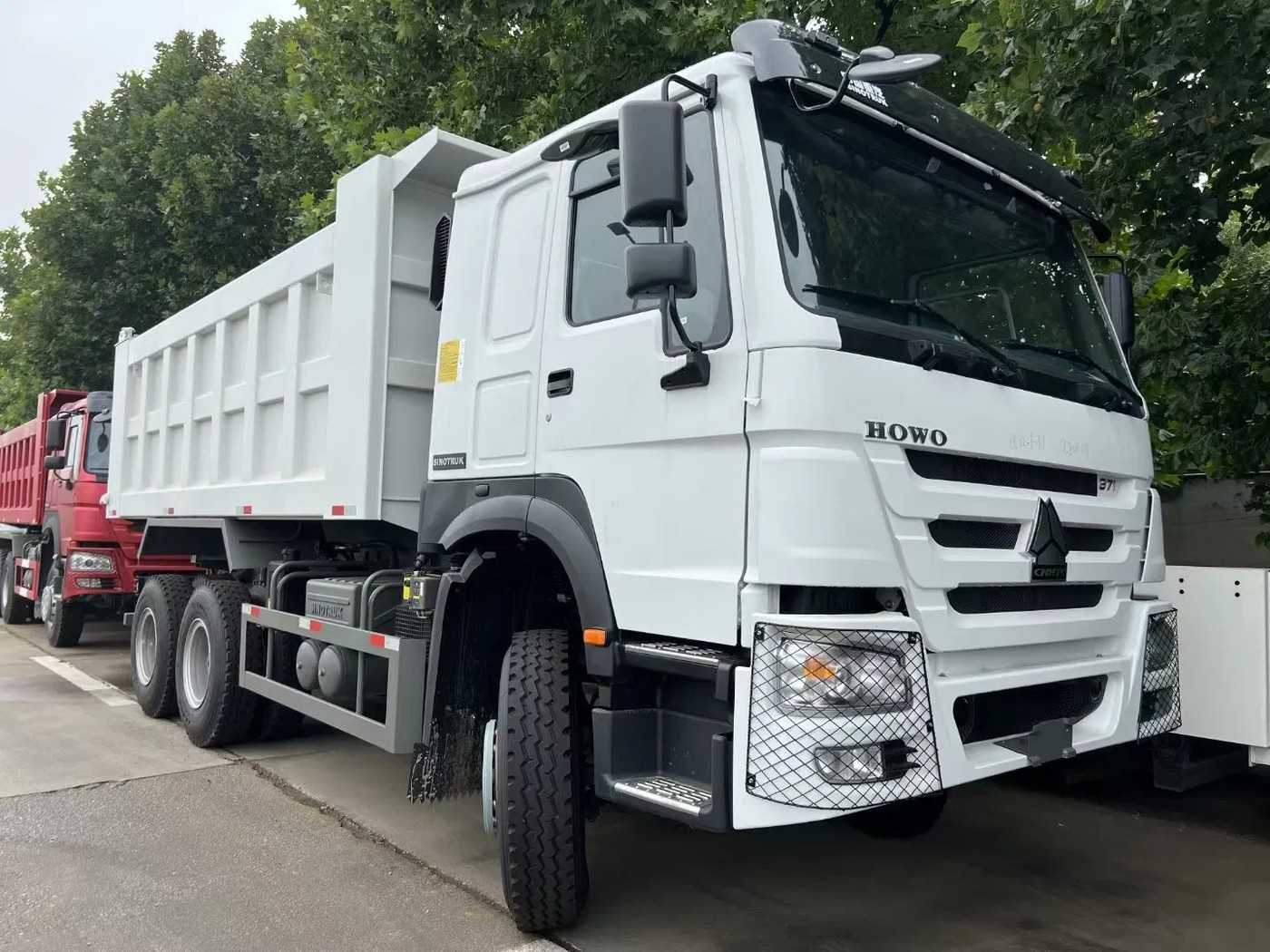
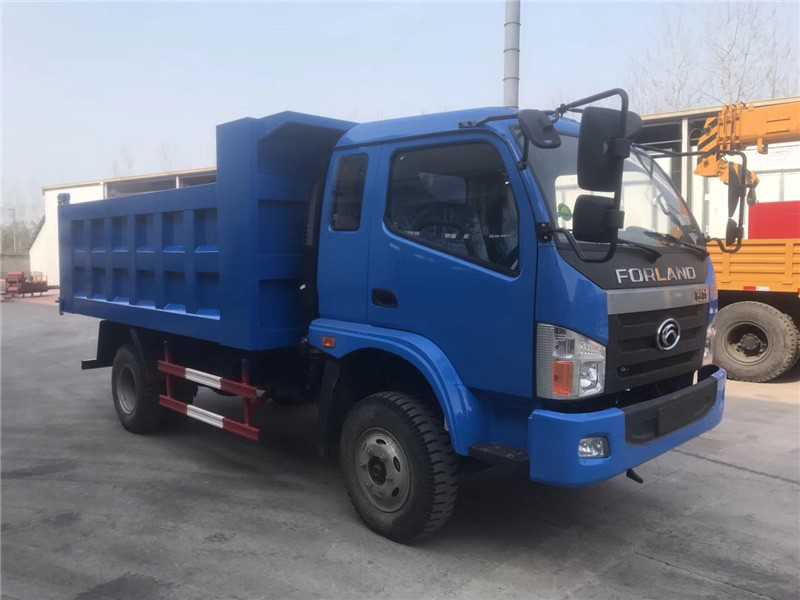
Across sand yards in Accra, granite quarries outside Nairobi, and highway earthworks linking Lagos, Dar es Salaam, and Lusaka, one specification decision governs fleet profitability: choosing between a single axle tipper truck (6-tyre, 10-cube) and a double axle tipper truck (10-wheeler 6x4, 16 to 20 cubic meters). Spec too small on a 45 km quarry route and driver wages plus diesel burn erode your margin; fill an oversized bed with wet river sand on a weighbridge highway and overload fines, burst tyres, and cracked spring hangers erase payback in a single rainy season.
Drawing on real African haulage duty cycles across our CLW factory-direct tipper truck lineup and field deliveries in our African project portfolio, this guide compares axle ratings, cargo density, body geometry, hydraulic hoists, and route ROI so you can order the exact build your corridor demands.
Decoding African Tipper Terms: 6-Tyre Single Axle (4x2) vs Double Axle (6x4)
African buyers rarely lead with axle formulas—they talk in tyres and cubes. Mapping local yard terms to factory chassis architecture prevents costly specification errors when comparing quotations.
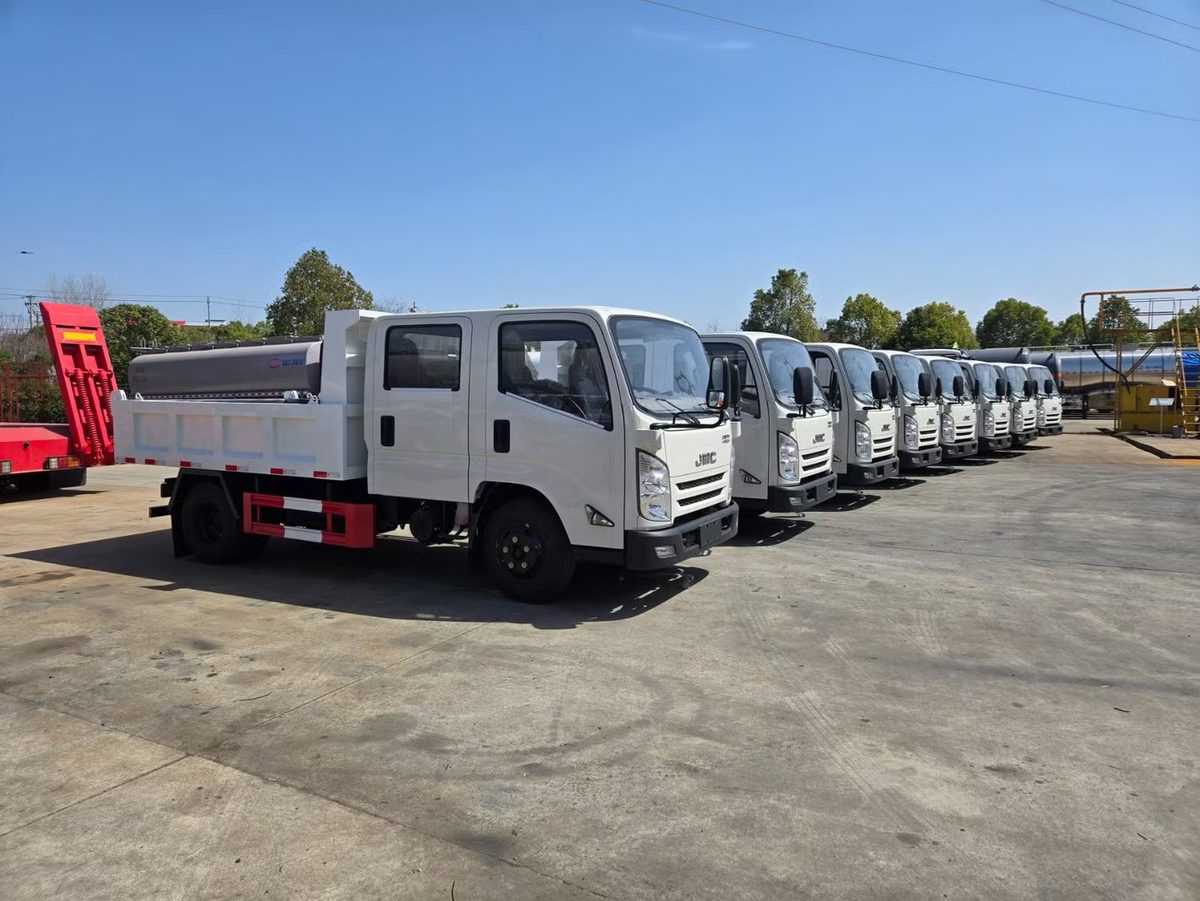
A single axle tipper truck runs a 4x2 drive layout: two front steer tyres and four dual rear drive tyres on one axle—known across West, East, and Southern Africa as a 6-tyre tipper. Typically powered by 240–290 hp diesels, it carries an 8–12 m³ cargo box, most commonly built as a 10 cube tipper truck like the CLW CL2180ZDS6ZK and CLW CL3180ZX6AZT.
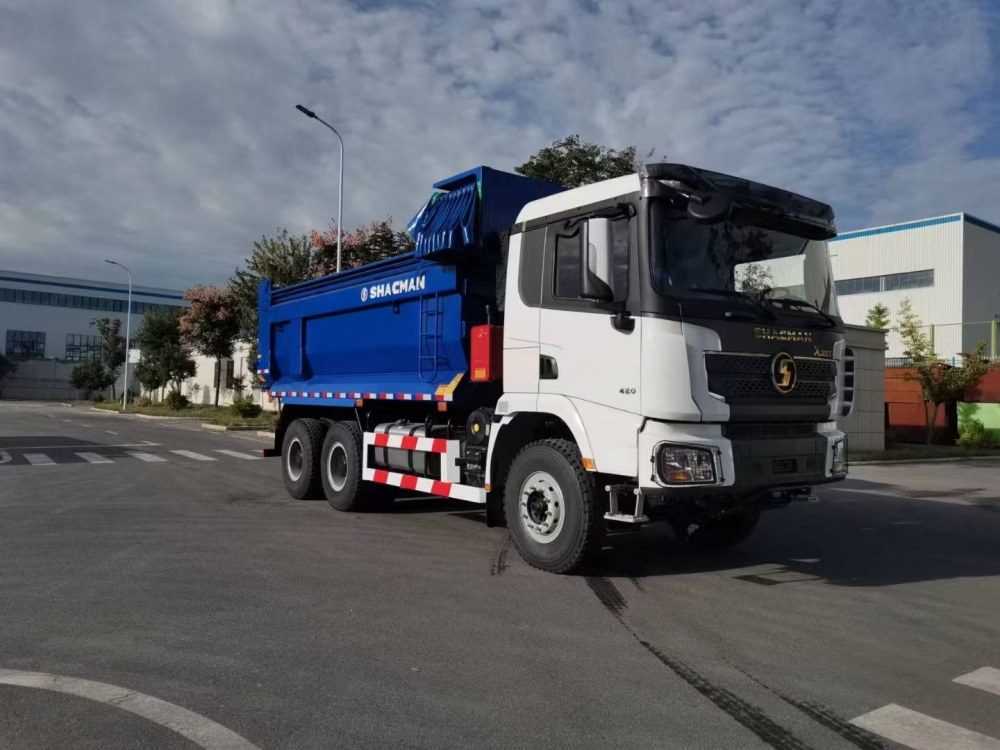
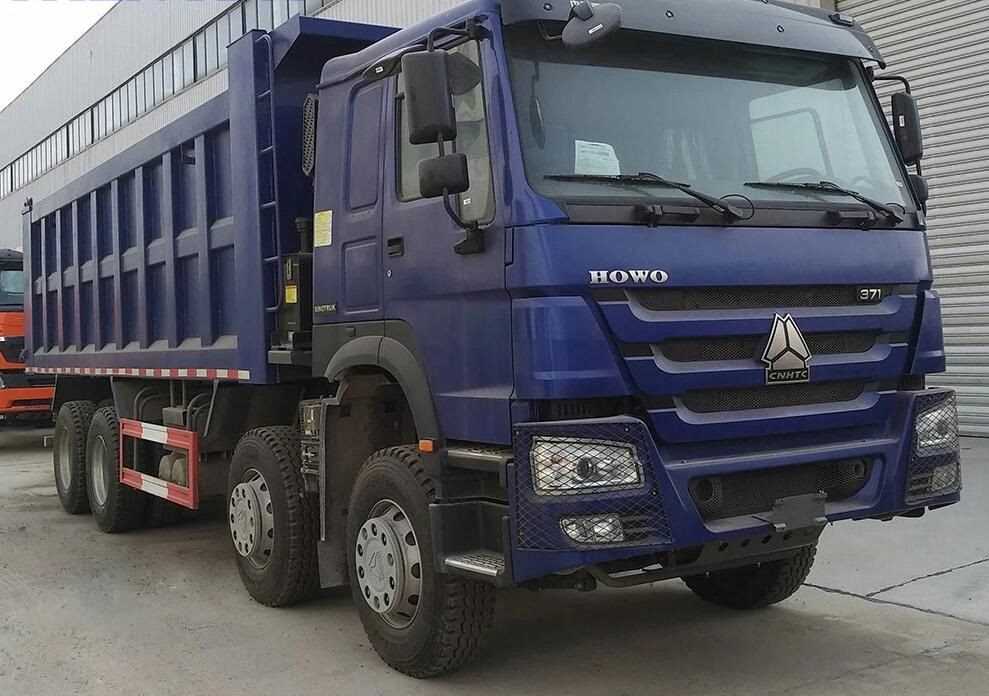
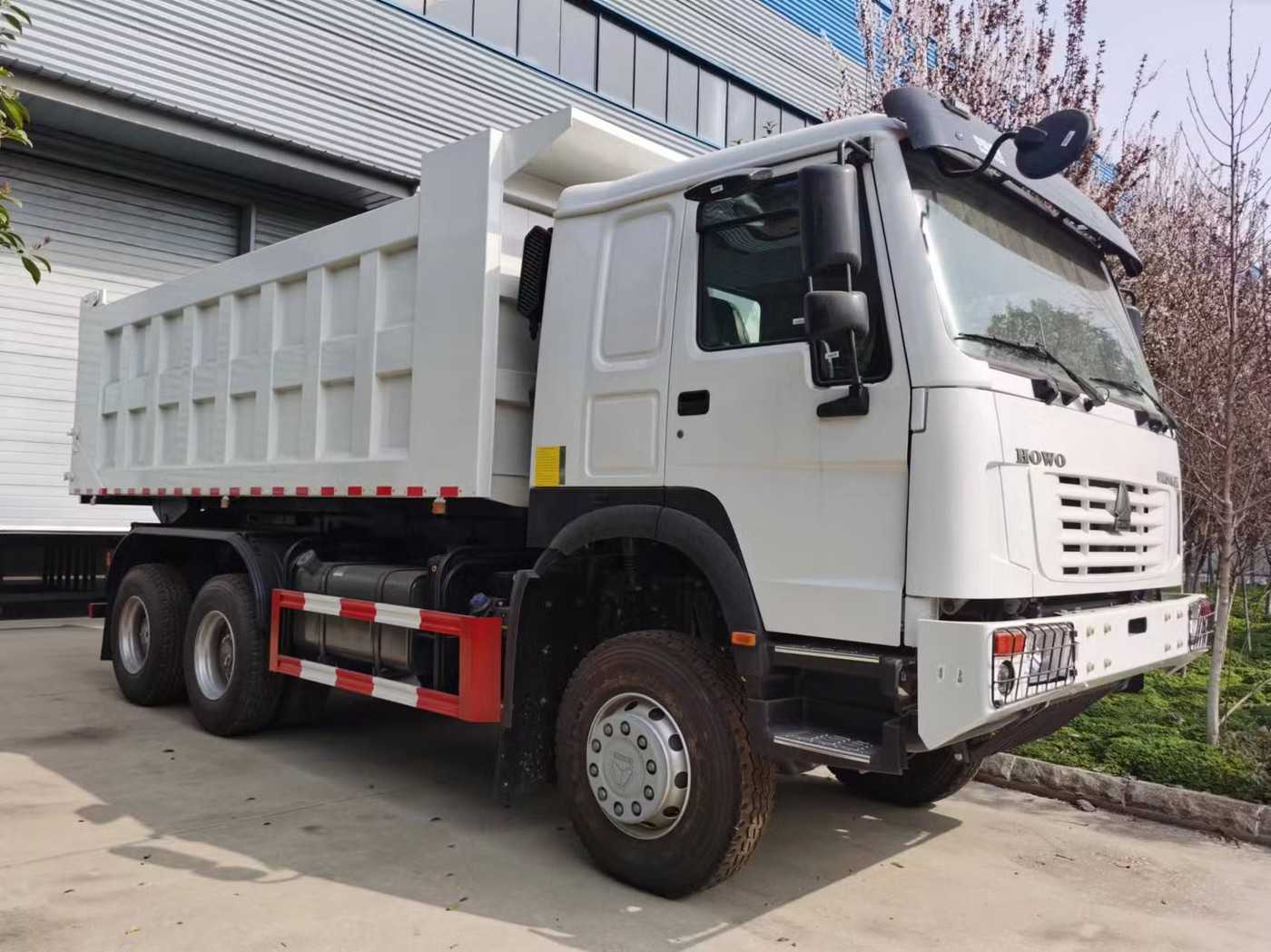
A double axle tipper truck uses a 6x4 layout: two steer tyres plus eight dual tyres across two driven tandem rear axles, universally called a 10-wheeler dump truck. Powered by 336–400 hp engines—such as the CLW 350 hp Dump Truck—it handles 16–20 m³ beds for bulk haulage. Where private mining roads require loads above 20 m³, operators step up to multi-axle 8x4 (12-wheeler) rigs such as the CLW CL3310ZX6ZT.
| Specification | Single Axle (4x2 / 6-Tyre) | Double Axle (6x4 / 10-Wheeler) |
|---|---|---|
| Tyre Layout | 6 road tyres + 1 spare (2 front + 4 rear) | 10 road tyres + 1 spare (2 front + 8 tandem) |
| Typical Box Volume | 8–12 m³ (10 m³ standard) | 16–22 m³ (16–20 m³ standard) |
| Rear Axle Rating | Single 13 t or 16 t hub-reduction axle | Dual 16 t tandem hub-reduction axles |
| Engine Power Band | 240–290 hp turbocharged diesel | 336–400 hp high-torque diesel |
| Maneuverability | Compact turning radius for urban estates | Wider sweep; built for quarries & highways |
| Primary African Duty | Urban sand retail, block yards, municipal work | Quarry aggregate, highway earthworks, bulk fill |
Hub-Reduction Axles, Weighbridges, and Regional Chassis Specs
On unpaved borrow pits and quarry ramps, hub-reduction rear axles outlast single-reduction axles because final torque multiplication happens at the wheel hub, reducing half-shaft breakage in mud. On a 6x4, inter-axle and cross-axle differential locks keep all eight rear tyres pulling through wet laterite where a 4x2 spins out.
Axle layout also dictates statutory road limits. Across ECOWAS corridors (Tema, Abidjan, Lagos), EAC highways (Mombasa, Dar es Salaam), and SADC routes (Durban, Beira), weighbridges enforce strict single-axle (10–11.5 t) and tandem-group limits (18–20 t). A single rear axle hits legal limits far sooner than a tandem bogie with multi-leaf suspension and reinforced V-rods.
Before ordering, confirm LHD (West/Central Africa) versus RHD (East/Southern Africa) steering in our LHD and RHD guide, and match Euro II or Euro III engines to local diesel sulfur via our emission and chassis overview.
Quarry tippers crawl in low gear through abrasive granite dust and 42–48 °C heat. Specify an oil-bath air pre-cleaner, enlarged aluminum radiator with silicone fan clutch, reinforced double-layer frame rails, and high-clearance steel bumper—detailed in our tropical dust-proof design guide.
10-Cubic vs 16-Cubic vs 20-Cubic Payload and Material Density Table
The costliest mistake buyers make is confusing 10 wheeler dump truck capacity in cubic meters with safe tonnage. Loaders fill by bucket volume, but axles, tyres, springs, and weighbridges respond to weight in metric tonnes. Because material bulk density jumps nearly 40 percent from dry sand to saturated river sand or quarry stone, filling a 20 cubic tipper truck level with the wrong cargo can overload the chassis by over 12 tonnes.
| Cargo Material | Bulk Density (t/m³) | 10-Cube Load (t) | 16-Cube Load (t) | 20-Cube Load (t) | Axle & Route Guidance |
|---|---|---|---|---|---|
| Loose Dry Sand | 1.40–1.50 | 14.0–15.0 t | 22.4–24.0 t | 28.0–30.0 t | Fits 4x2 urban runs or 20 m³ 6x4 off-road haulage |
| Crushed Granite (10–20 mm) | 1.55–1.65 | 15.5–16.5 t | 24.8–26.4 t | 31.0–33.0 t | Use wear-resistant floor; check highway GVW |
| Compact Laterite / Red Earth | 1.65–1.80 | 16.5–18.0 t | 26.4–28.8 t | 33.0–36.0 t | Sticky when wet; U-shaped body cuts buildup |
| Wet River Sand | 1.85–1.95 | 18.5–19.5 t | 29.6–31.2 t | 37.0–39.0 t | High overload risk; load to 75–80% on highways |
| Quarry Blasted Rock | 1.80–2.00 | 18.0–20.0 t | 28.8–32.0 t | 36.0–40.0 t | Requires 6x4/8x4 rock bed with 10–12 mm floor |
Why Filling 20 Cubes of Wet Sand Wrecks Tyres and Triggers Fines
A heavy-duty 6x4 tipper weighs roughly 12.5–14.5 tonnes empty. Loading 20 m³ of wet river sand at 1.90 t/m³ adds 38 tonnes of cargo, pushing gross vehicle weight past 51 tonnes. While dual 16-tonne hub-reduction axles and 12.00R20/12.00R24 tyres survive slow private-quarry hauling, running 50+ tonnes onto public highways invites weighbridge impoundment, sidewall blowouts, brake fade, and sheared U-bolts.
Experienced operators align box volume with real route rules:
- 10-cubic single axle (4x2): Built for 10–14 t drops of dry sand, chippings, or topsoil on urban streets with tight bridge and compound limits.
- 16-cubic double axle (6x4): The balanced choice for public-road aggregate routes facing active weighbridges.
- 20-cubic double axle (6x4): Ideal for dry sand wholesalers, closed highway earthworks, and quarry-to-crusher cycles maximizing loader output per trip.
Welding 300 mm timber or steel side-boards onto a 16-cube box creates 21-cube loading without upgrading axle ratings, hydraulic cylinder stage diameter, or tyre ply index—the fastest way to bend telescopic rams and crack rear subframes.
Square Cargo Box vs U-Shaped Rock Body: Choosing the Right Tipper Bed
Body shape directly controls tipping speed, floor life under granite loading, and local repair cost. Both square boxes and U-shaped bodies fit 4x2 and 6x4 chassis, each tailored to different materials.
When a Rectangular Square Box Wins
Flat bottom plates meeting vertical 90-degree side walls remain the favorite for urban sand depots and builders' merchants:
- Maximum volume per wheelbase meter: Vertical sides pack full cubic capacity into a compact footprint, preserving tight urban turning and letting sand-pit buyers visually gauge struck volume.
- Backhaul versatility: A flat floor carries concrete blocks, culvert rings, or bagged cement on return legs when aggregate demand slows.
- Simple local repair: Any regional welding shop can patch standard Q345B/Q355B flat steel plate without curved-plate rolling gear.
For sand and crushed gravel under 40 mm, a Q345B/Q355B square bed with an 8 mm floor and 6 mm sides delivers strong durability without excess dead weight.
When a U-Shaped Rock Body Cuts Cycle Time and Wear
A U-shaped (half-pipe) rock body replaces 90-degree bottom corners with a continuous curved shell fabricated from abrasion-resistant NM400/NM450 wear steel:
- Zero wet-clay hang-up: Rainy-season laterite and wet clay pack tightly into square corners, tempting drivers to brake hard with the bed raised—a top cause of rollovers. Curved U-walls slide wet earth out cleanly on the first lift.
- Superior boulder impact resistance: Angled curved walls deflect falling quarry stone toward the center instead of denting flat side panels.
- Lower center of gravity and tare weight: Fewer external stiffening ribs trim 500–900 kg of dead steel compared to heavy rectangular rock boxes, converting tare savings into payload or fuel economy.
For primary quarry stone and excavator rock loading, specify a U-shaped body with a 10–12 mm wear-plate floor, 8 mm sides, rear rock chute, and full cab-roof spill canopy.
Front-Tipping Telescopic Cylinder vs Underbody Scissor Hoist
Matching hoist geometry to box length and dumping terrain prevents hydraulic overheating, seal blowouts, and rollover accidents on soft embankments.
| Comparison Factor | Front-Tipping Telescopic (HYVA-Style) | Underbody Scissor Hoist (T / F-Type) |
|---|---|---|
| Mounting Position | Vertical between cab rear and front bulkhead | Mounted beneath floor inside chassis rails |
| Best Box Length & Class | 5.2–6.8 m boxes (16–22 m³ 6x4 & 8x4) | 3.8–4.8 m boxes (8–12 m³ 4x2 tippers) |
| Leverage & Pressure | Maximum front leverage; lower oil pressure | Shorter mid-bed arm; higher working pressure |
| Stability on Uneven Fill | Higher lateral stability on long heavy boxes | Best on short, compact loads |
| African Spares Support | Wide HYVA-type seal, pump & valve stock | More pivot bushings requiring regular greasing |
For any 16–20 m³ double axle tipper truck, a front-tipping telescopic cylinder (157–191 mm outer stage) is the African benchmark. Lifting from the front of a 5.6–6.0 m bed lowers oil pressure, limits overheating, protects pumps and PTOs, and simplifies repairs—HYVA-compatible seal kits and air valves are stocked from Kumasi Magazine and Ladipo Market to Nairobi's Industrial Area.
An underbody scissor hoist fits compact 10 cube tipper truck beds (4.0–4.5 m), eliminating the behind-cab cylinder gap for tight estates. Whichever hoist you run, grease rear hinges weekly, keep tank breathers dust-free, and never drive forward with a raised box to dislodge wet clay.
Which Axle Setup Pays Back Faster on Your Route? Landed Cost, Shipping, and ROI
True fleet payback comes down to landed cost per cubic meter delivered—not factory sticker price alone. Final FOB or CIF pricing always depends on your written factory quotation for exact chassis, steel grade, steering side, and destination port, yet four structural drivers determine real investment return:
- Ocean shipping geometry: A compact 4x2 single axle consumes fewer cubic meters on Ro-Ro vessels into Apapa, Tema, Mombasa, Dar es Salaam, Durban, or Beira than a 6x4 tandem rig. Consolidating multi-unit orders lowers per-truck freight—see our payment and African shipping guide.
- Port clearance and compliance: Import tariffs and pre-shipment conformity inspections (such as SONCAP, PVoC, or national roadworthiness checks) must be planned before manufacturing begins; review our import compliance checklist.
- First-year spares kit: Packing air/fuel/oil filters, water-separator elements, fan belts, hub seals, brake linings, and a hoist seal kit inside the cab or toolboxes avoids costly first-season downtime.
- Pre-shipment factory inspection: Verify tare weight, ultrasonic plate-thickness checks, hydraulic pressure-hold tests, and VIN/engine serial matching before dispatch via our buying process and tender support team.
Where the 10-Cube Single Axle Pays Back Faster
On urban delivery loops under 20 km—serving homebuilders, block yards, and municipal patching—a single axle tipper truck wins on capital efficiency. Lower acquisition cost, six tyres instead of ten, lighter stop-and-go fuel consumption, and easy reversing into walled estates let operators match the standard 10-cube retail order ticket without split deliveries.
Where the 20-Cubic Double Axle Dominates ROI
Once haulage stretches past 25–30 km—or on continuous highway sub-base, batching-plant, and quarry contracts—the double axle tipper truck wins decisively. Hauling 18–20 m³ per trip halves driver wages and quarry queue overhead per cubic meter, while cutting fuel burn per cubic meter per kilometer by roughly 25–35 percent compared with running two 10-cube cycles. Tandem traction also preserves revenue through wet-season borrow pits. Many mature African contractors run a blended fleet: 6x4 tippers feeding central city depots from distant quarries, paired with agile 4x2 trucks completing last-mile residential drops.
Frequently Asked Questions on Single Axle vs Double Axle Tipper Trucks
1. How many tonnes can a 10-wheeler (6x4) 20-cubic tipper truck legally carry on African highways?
Dual 16-tonne hub-reduction rear axles handle 28–35 tonnes on private quarry roads. On public highways under ECOWAS, EAC, or SADC weighbridges, 3-axle rigid GVW is typically capped near 26–28 tonnes total (roughly 13–15 tonnes legal payload after tare). Share your route rules so we size box volume and tare weight accordingly.
2. Is a 10-cube single axle tipper truck durable enough for granite or wet laterite?
Yes, when built heavy-duty: specify a 16-tonne hub-reduction rear axle, reinforced leaf springs, 12.00R20 mine tyres, and an 8 mm high-tensile or wear-resistant floor, and keep wet loads within rated tonnage.
3. Should I specify LHD or RHD, and which emission tier suits local diesel?
Follow national traffic law: LHD for West, North, and Central Africa (Nigeria, Ghana, Côte d'Ivoire, Cameroon) and RHD for East and Southern Africa (Kenya, Tanzania, Uganda, Zambia, South Africa). For high-sulfur quarry diesel, Euro II or Euro III engines remain most dependable unless national import rules mandate higher tiers.
4. How are tipper trucks shipped to Africa, and what spares should ship with them?
Both single and double axle tippers ship via Ro-Ro or flat-rack vessels to Tema, Apapa, Mombasa, Dar es Salaam, Durban, or Beira. Pack a factory first-year kit—filters, belts, hub seals, brake linings, and hoist seals—inside the cab or toolboxes for immediate post-clearance uptime.
Request a Factory-Direct Tipper Specification & Written Quotation
Share your operating corridor and cargo profile with our African fleet engineers for an axle-load check, custom build sheet, and FOB or CIF port quotation. Include these five points:
- Destination country, discharge port & steering (e.g., Tema/Apapa LHD or Mombasa/Dar es Salaam/Durban RHD).
- Primary haul material & one-way distance (dry sand, wet river sand, crushed granite, laterite, or quarry rock).
- Preferred axle & cargo box spec (4x2 10-cube vs 6x4 16–20-cube, square vs U-shaped body, floor/side plate thickness).
- Hoist, engine & tropical upgrades (front telescopic vs underbody hoist, Euro II/III tier, oil-bath air filter & tropical cooling).
- Fleet quantity & inspection needs (single unit or multi-truck tender, target delivery schedule, and conformity documents).