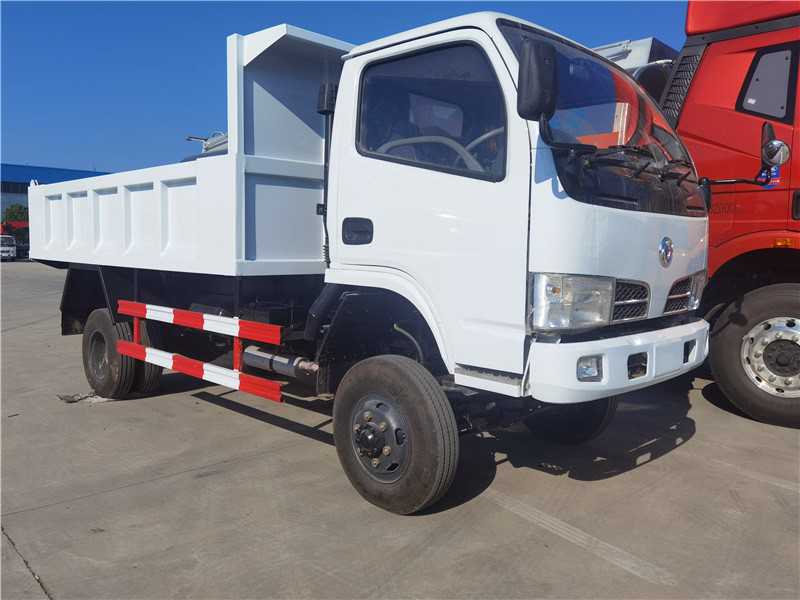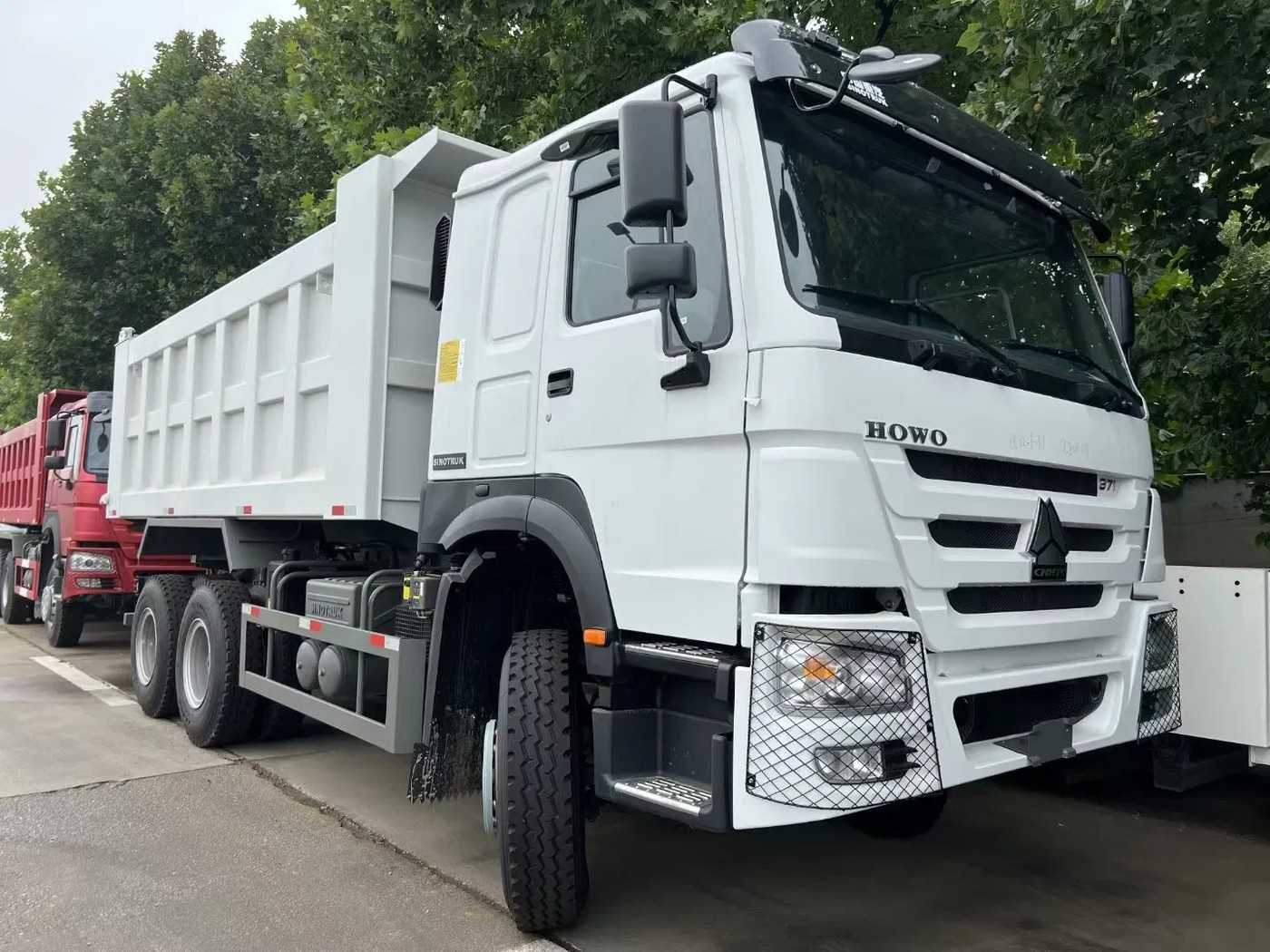
For road contractors, aggregate suppliers, and quarry operators from Lagos and Accra to Nairobi, Dar es Salaam, and Harare, selecting the right HOWO tipper truck directly determines haulage cost per cubic metre and fleet uptime. A mismatched axle layout, underweight dump box, or incompatible fuel system can erase project margins within one rainy season, whereas a properly specified factory-direct unit delivers predictable cycle times and strong resale liquidity across West, East, and Southern Africa.
This buying guide covers the engineering and procurement decisions that matter before you sign a proforma invoice: why SINOTRUK HOWO leads African earthmoving fleets, how 6x4 and 8x4 models compare under regional weighbridge laws, how to specify dump bodies for sand, laterite, or granite, which first-year spare parts to pack inside the cargo box, and how to verify genuine build specifications before releasing balance payment.
Why HOWO Tippers Dominate African Construction & Quarry Fleets
Along highway corridors, port reclamation zones, and granite quarries in Nigeria, Ghana, Kenya, Tanzania, and Zimbabwe, SINOTRUK HOWO tippers outnumber competing heavy dump brands for four practical fleet reasons.
- Unmatched local spare parts availability: Because hundreds of thousands of HOWO trucks operate across Africa, both OEM and reliable aftermarket components sit on the shelf in major hubs—including Ladipo and Apapa in Lagos, Abossey Okai in Accra, Industrial Area in Nairobi, Kariakoo in Dar es Salaam, and Graniteside in Harare. Fleets avoid multi-week downtime waiting for air-freighted sensors when a tie-rod, clutch booster, or hub oil seal wears out.
- Mechanical fuel pump tolerance on variable diesel: Where high-sulphur fuel and depot sediment remain common at remote job sites, Euro II WD615 engines with inline mechanical injection pumps keep running while sensitive high-pressure common-rail injectors clog. Where national regulations mandate Euro III or Euro IV, electronic options remain available—check our emission and chassis options for Africa before locking your spec.
- Workshop familiarity: Independent mechanics across rural provinces already service the HW19710 transmission, HC16 hub-reduction axle, and ZF8118 steering gear using standard workshop tools rather than dealer-locked diagnostic laptops.
- Factory-native LHD and RHD builds: Whether operating left-hand drive in Nigeria, Ghana, or Francophone West Africa, or right-hand drive in Kenya, Tanzania, Zambia, and Zimbabwe, SINOTRUK builds native steering layouts without risky aftermarket conversions. Review our LHD and RHD steering guide to match registration rules.
Explore factory-configured builds across our tipper truck category or review delivered contractor fleets on our African project cases page.
HOWO 6x4 (371HP) vs HOWO 8x4 (371–400HP) Spec Comparison
Choosing between a 10-wheeler 6x4 HOWO dump truck and a 12-wheeler 8x4 is a balance between payload per trip, legal highway axle loads, quarry turning radius, tyre spend, and capital budget.
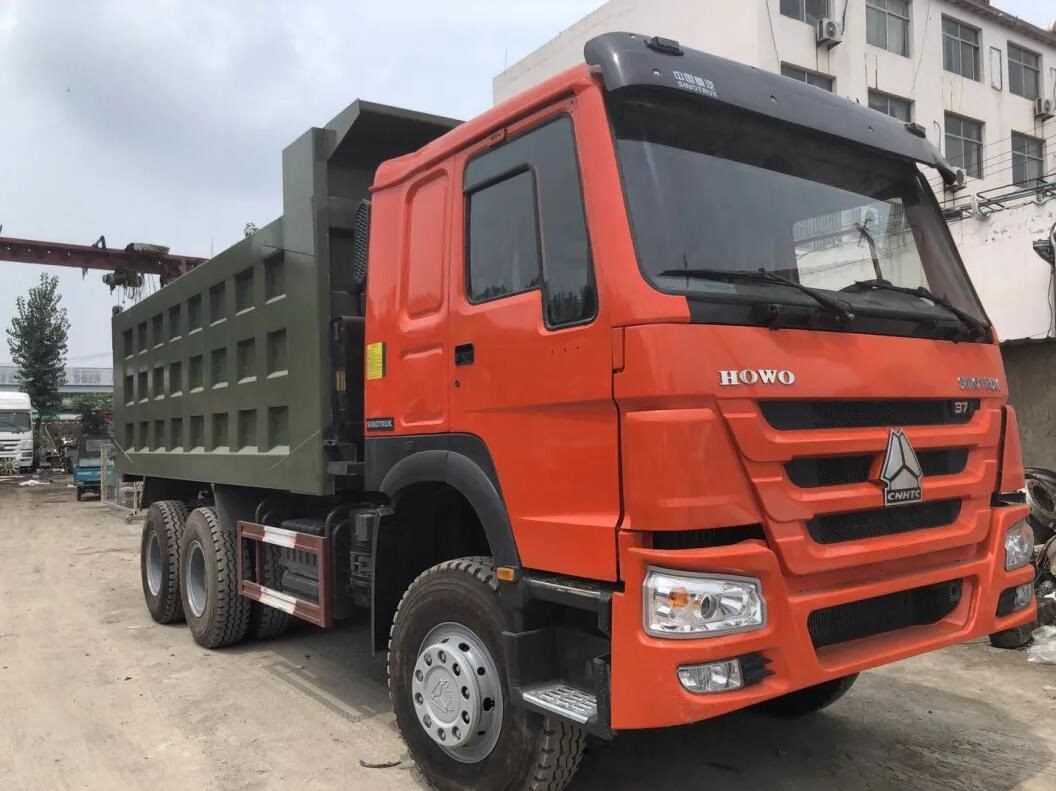
The HOWO 6x4 (371HP)—available across proven heavy-duty builds such as the CLW Tipper Truck · 6x4 green & white 2 alongside purpose-built models like the CLW Tipper Truck · CL3180ZX6AZT and CLW Tipper Truck · CL3182ZX6ZT—is the core workhorse for urban construction, steep quarry benches, and muddy laterite roads. Its shorter wheelbase manoeuvres cleanly on tight sites while hauling 18 to 20 m³ with ten tyres to maintain.
The HOWO 8x4 (371–400HP)—represented by 31-tonne class heavy tipper platforms such as the CLW Tipper Truck · CL3310ZX6ZT—adds a second 9-tonne front steering axle. Distributing weight across four axles supports 22 to 25+ m³ bodies and higher legal payload on long-distance aggregate corridors exceeding 25–30 km.
| Specification | HOWO 6x4 (10-Wheeler) | HOWO 8x4 (12-Wheeler) |
|---|---|---|
| Engine & Output | WD615.47, 371HP (9.726L, Euro II mechanical or Euro III/IV) | WD615.47 (371HP) or D10/WP12 (380–400HP) for steep grades |
| Transmission | HW19710 10-speed manual with HW50 PTO | HW19710 (10-speed) or HW19712 (12-speed) with HW50 PTO |
| Front Axle(s) | Single HF9 (9-tonne drum brake) | Twin HF9 (2 × 9-tonne steering axles) |
| Rear Drive Axles | Double HC16 (2 × 16-tonne hub-reduction; 4.42 / 4.8 / 5.73) | Double HC16 (2 × 16-tonne reinforced; 4.8 or 5.73) |
| Body Volume | 18 – 20 m³ (internal length 5,400–5,800 mm) | 22 – 25+ m³ (internal length 6,800–7,600 mm) |
| Frame & Springs | 300 × 80 × (8+8) mm double frame; 10/12 leaf springs | 300 × 80 × (8+8) mm reinforced frame; twin-steer front / 12 rear leaves |
| Tyres | 12.00R20 steel-belted radial (10 + 1 spare) | 12.00R20 steel-belted radial (12 + 1 spare) |
| Best Operational Fit | Urban sites, muddy feeder pits, short hauls (<25 km) | Highway aggregate runs, dam/road earthworks, bulk transport |
Weighbridge Rules & HC16 Axle Ratio Selection
Highway axle enforcement has intensified continent-wide. Under the EAC Vehicle Load Control Act, weighbridges at Mariakani, Mlolongo, and Vigwaza enforce strict per-axle limits across Kenya and Tanzania, while Ghana Highway Authority stations, ECOWAS corridors, and SADC scales in Zimbabwe and Zambia impose steep overload penalties. On regulated highways, an 8x4 provides a clear legal payload advantage by spreading gross weight across four axles rather than overloading the rear bogie.
Match your HC16 final-drive ratio to your terrain: choose 5.73 for maximum climbing torque on steep open-pit quarry ramps and soft sand pits; 4.8 as the versatile ratio for mixed highway-and-site contractors; and 4.42 for lower fuel burn on flat paved inter-city runs.
Customising the Dump Body for Sand, Laterite or Granite
Standard budget export boxes often use thin mild steel to lower FOB quotes—leading to bowed sidewalls, cracked floor beams, and jammed tailgates within six months of excavator loading. Match plate thickness, steel grade, and body geometry directly to your material density and abrasiveness:
| Cargo Type | Floor / Side Plate | Steel Grade & Profile | Tailgate & Fit-Out |
|---|---|---|---|
| River Sand & Topsoil | Floor 8 mm / Side 6 mm | Q345B / T700 high-tensile; rectangular or U-shape | Removable 300–500 mm side extensions, sealed gate, anti-spill tarpaulin |
| Laterite & Roadbase | Floor 8–10 mm / Side 6–8 mm | Q345B ribbed box or U-shape for clean sticky-clay discharge | Automatic mechanical rear lock hooks, reinforced upper loader rail |
| Blasted Granite & Ore | Floor 10–12 mm / Side 8 mm | NM400 wear-resistant plate with V-ribs & heavy sub-frame | Heavy rock-duty swing tailgate, reinforced cab-protector canopy |
Hydraulic Cylinder, Tailgate & Tropical-Proofing Essentials
- Front-lifting telescopic cylinder: Specify a front-mounted HYVA-type multi-stage cylinder (FC179 or FE191/196) on 6x4 and 8x4 bodies above 18 m³. Front lifting delivers lower hydraulic pressure and stronger sideways stability on uneven quarry benches than underbody scissors lifts.
- Automatic mechanical rear lock hooks: Manual pin latches seize in wet laterite mud. Heavy gravity-release hooks unlock automatically as the box rises past 10 degrees and lock cleanly on descent.
- Side-board extensions & anti-spill tarpaulins: Municipal inspectors in Lagos, Accra, and Nairobi increasingly fine uncovered aggregate trucks. Factory-bolted extensions and electric or manual tarpaulin covers ensure immediate road compliance.
- Tropical heat & dust protection: Pair an oil-bath pre-cleaner with dual-stage air filtration, an enlarged tropical radiator, reinforced intercooler hoses, and sealed chassis wiring—outlined in our tropical and dust-proof design guide.
Extending a 6x4 box to hold 24 m³ of wet granite (1.7–1.9 t/m³) pushes load weight past 40 tonnes, cracking rear springs, blowing 12.00R20 sidewalls, and risking cylinder buckling. Reserve tall side extensions for dry sand or light bulk, and move to an 8x4 with NM400 wear plate for blasted quarry rock.
Recommended First-Year Spare Parts Pack to Ship With Your Truck
Even with strong local HOWO parts markets, remote quarry sites lose productive days hunting genuine filters or matching clutch discs—and street markets carry counterfeit wear parts. Loading a factory-sealed, wood-crated 12-month kit inside the empty dump box during Ro-Ro or bulk-vessel shipping adds near-zero freight cost while safeguarding first-year uptime.
| Component Group | Recommended Pack (Per Truck) | Replacement Trigger |
|---|---|---|
| Filtration | 6× oil, 6× diesel, 4× water-separator cartridges, 3× dual air filter sets | Every 5,000–8,000 km or 250–300 dusty hours |
| Hydraulic Tipping | 1× front cylinder seal kit, 1× control valve kit, 2× high-pressure hoses, PTO seals | Preventive resealing after dust ingress |
| Clutch & Driveline | 1× 430 mm clutch driven plate, 1× release bearing, 2× propeller universal-joint kits | Steep-ramp stop-start quarry extraction |
| Brakes & Chassis | 1× front/rear brake lining set, 4× hub oil seals, 4× spring centre/U-bolts, 2× slack adjusters | Heavy braking heat & washboard roads |
| Belts & Electrical | 2× fan/alternator belt sets, 1× tipping limit switch, spare lamps & relays | High ambient heat & rough-road vibration |
For multi-unit orders of three or more trucks, add one shared hydraulic gear pump, one coolant hose kit, and a matched injector nozzle set. List the crate clearly on your commercial invoice and packing list for smooth clearance at Apapa, Tema, Mombasa, Dar es Salaam, Durban, or Beira.
Verifying Genuine Build Spec Before Balance Payment
Large price gaps between competing HOWO tipper quotes often hide refurbished used chassis repainted as new, lighter ST16 axles billed as HC16, thin mild steel sold as 8 mm wear plate, or off-brand hydraulic cylinders painted to imitate HYVA units. Follow four verification checks before wiring your balance payment:
- Audit VIN and engine nameplates: Request clear photos of the stamped chassis VIN, cab compliance plate, and WD615/D10 engine serial plate to verify manufacture year, emission level, and native LHD/RHD ZF8118 steering gear.
- Check real plate thickness and axle castings: Require video or timestamped photos of an ultrasonic thickness gauge on the floor and sidewalls, continuous sub-frame welds, and cast-steel HC16 rear axle markings.
- Inspect a full hydraulic tipping video: Demand an uncut test video showing PTO engagement, smooth cylinder staging to full dump angle, automatic tailgate hook release, and steady descent with zero oil weeping.
- Verify tyre DOT dates and port compliance: Confirm recent 12.00R20 production codes and book mandatory destination pre-shipment inspection (PSI) early—SONCAP for Nigeria (Apapa/Tin Can), KEBS PVoC for Kenya (Mombasa), TBS PVoC for Tanzania (Dar es Salaam), or Bureau Veritas/ZIMRA checks for Zimbabwe via Durban or Beira. Review our import compliance guide and factory buying workflow for document lead times.
Landed Cost Drivers & Shipping Choices
Final pricing always follows a written quotation tailored to your chassis configuration, engine output, steering side, body steel grade, hydraulic brand, and destination port. Budget across four landed-cost layers: factory FOB chassis and custom dump body; ocean freight (Ro-Ro vessels simplify roll-off clearance at Mombasa, Dar es Salaam, Tema, and Durban, while bulk carriers or flat-racks suit certain West and Southern African routes); marine insurance plus PSI certificates; and destination port handling, customs duty, VAT, and inland haulage. See our payment and shipping guide or tender support service for institutional bids.
Never wire deposit or balance funds to personal accounts or unauthorized intermediaries offering below-factory prices. Confirm beneficiary bank details match the corporate account on your official proforma invoice, and review complete pre-shipment evidence before releasing final payment. Always cross-check official contacts via our anti-fraud verification notice.
Frequently Asked Questions About Buying HOWO Tippers for Africa
1. Should African fleets choose Euro II mechanical pump or Euro III/IV electronic HOWO engines?
Where local import laws permit Euro II—such as off-highway mining and several West African markets—the WD615.47 mechanical inline pump stays preferred for handling high-sulphur fuel with minimal downtime. Where road registration requires Euro III or Euro IV, pair the compliant common-rail engine with upgraded dual fuel-water separators.
2. How do fuel burn and tyre costs compare between a HOWO 6x4 and 8x4?
An 8x4 hauls roughly 15% to 25% more volume per trip, reducing fuel cost per cubic metre on long highway aggregate runs. However, it burns slightly more diesel overall and wears steering tyres faster on tight quarry turns, so 6x4 units often yield faster ROI on short rough-ground hauls under 20 km.
3. What is the typical production and shipping lead time to African ports?
Factory assembly and custom dump-body fabrication typically take 25 to 35 days after deposit confirmation. Ocean transit from China averages 28 to 40 days to East and Southern Africa (Mombasa, Dar es Salaam, Durban, Beira) and 35 to 48 days to West African ports (Apapa, Tin Can, Tema).
4. Can I customise paint colour, rock-body steel grade, and bundled spare parts at the factory?
Yes. Factory-direct ordering lets you specify fleet livery colours, company decals, custom box dimensions, NM400 wear-plate thickness, automatic tailgate hooks, tarpaulin covers, and bundled first-year spare parts kits inside one documented build sheet before fabrication starts.
Get a Factory-Direct HOWO Tipper Quotation Built for Your Route
To receive a written quotation with chassis drawings, hydraulic specifications, and FOB/CIF port options, share these five details with our Africa export engineers:
- Axle Layout & Steering: 6x4 (371HP) or 8x4 (371–400HP), and LHD or RHD requirement.
- Material & Body Capacity: Sand, laterite, or blasted granite, plus target volume (18–25+ m³).
- Emission Standard: Euro II mechanical pump or Euro III/IV compliance for your country.
- Quantity & Spare Parts Pack: Number of trucks and whether to pack the 12-month wear-parts kit.
- Destination Port & Term: Port (Apapa, Tema, Mombasa, Dar es Salaam, Durban, Beira) and FOB or CIF preference.