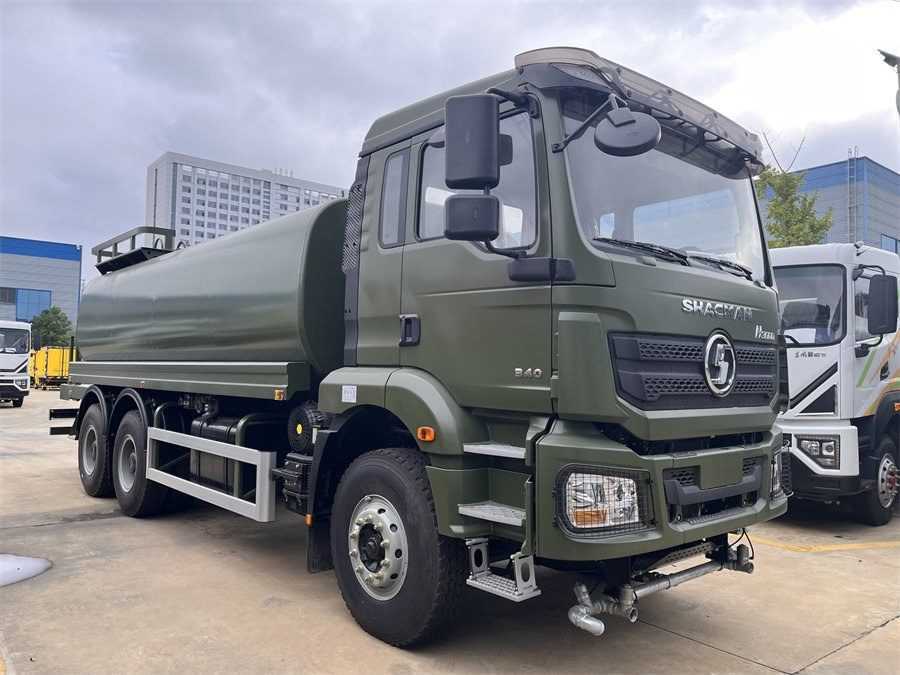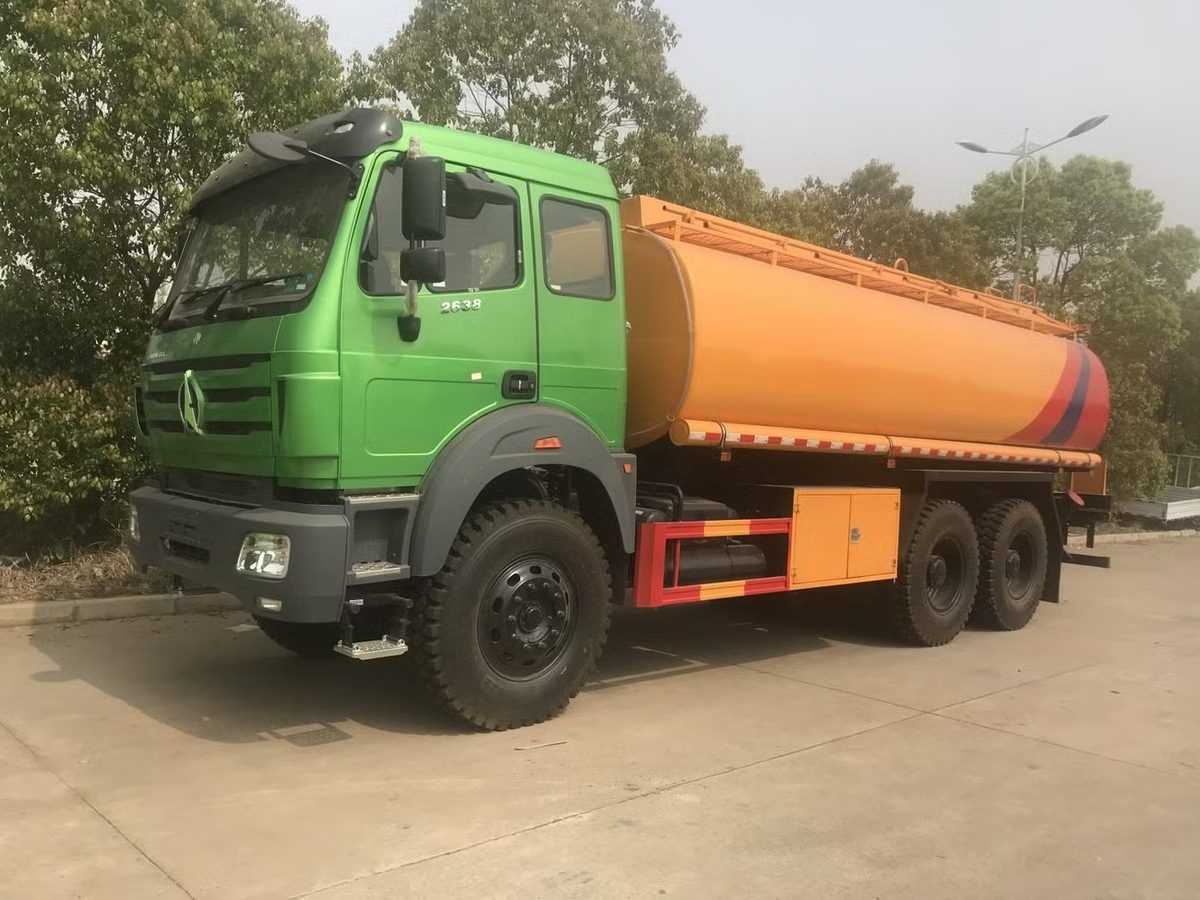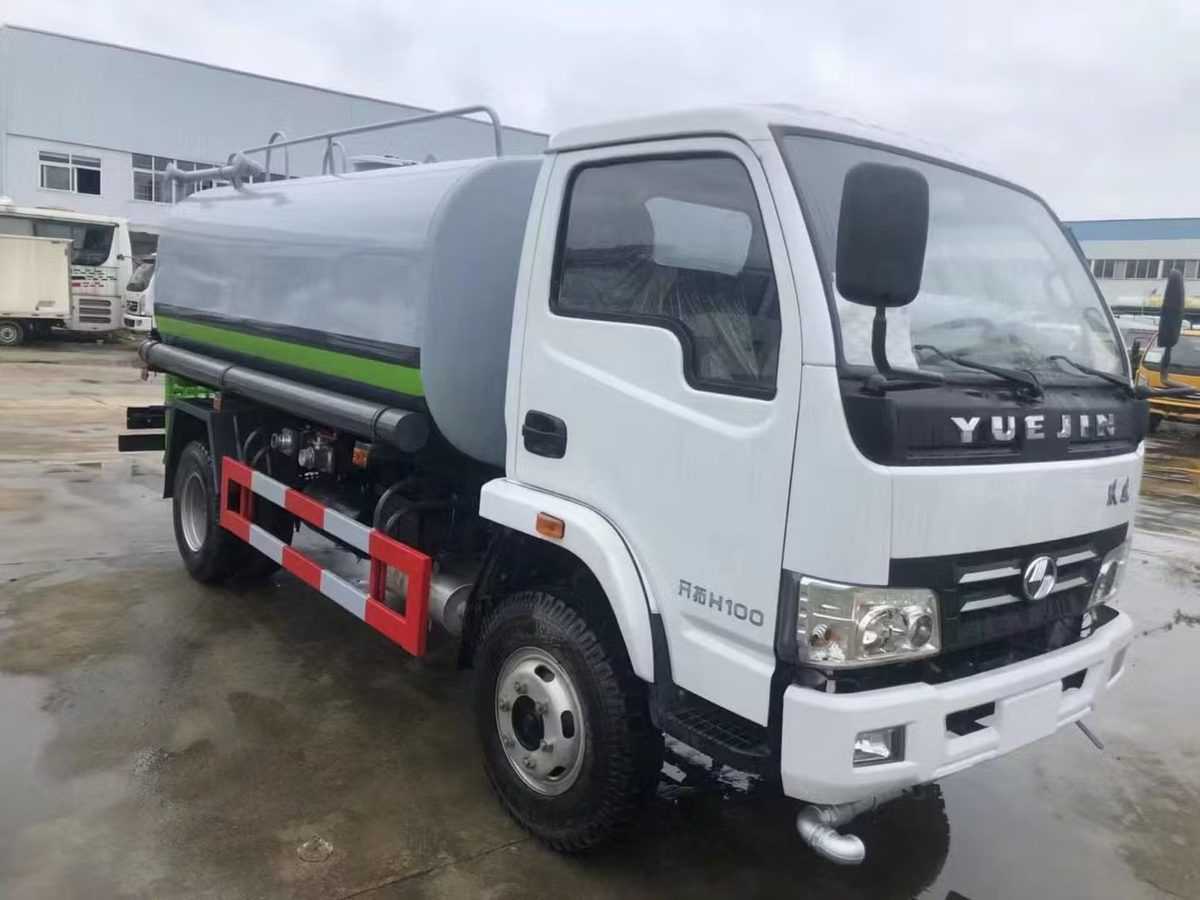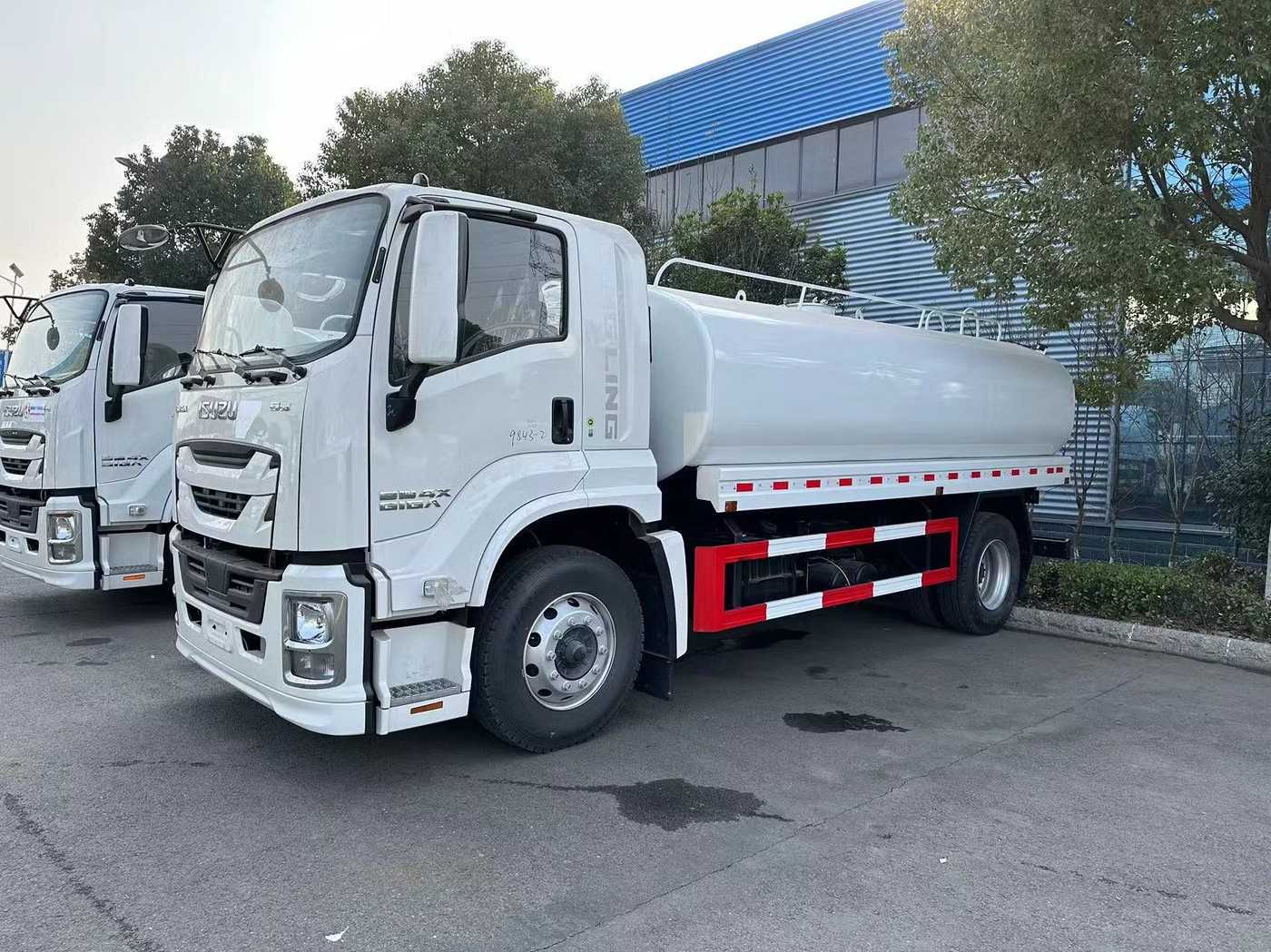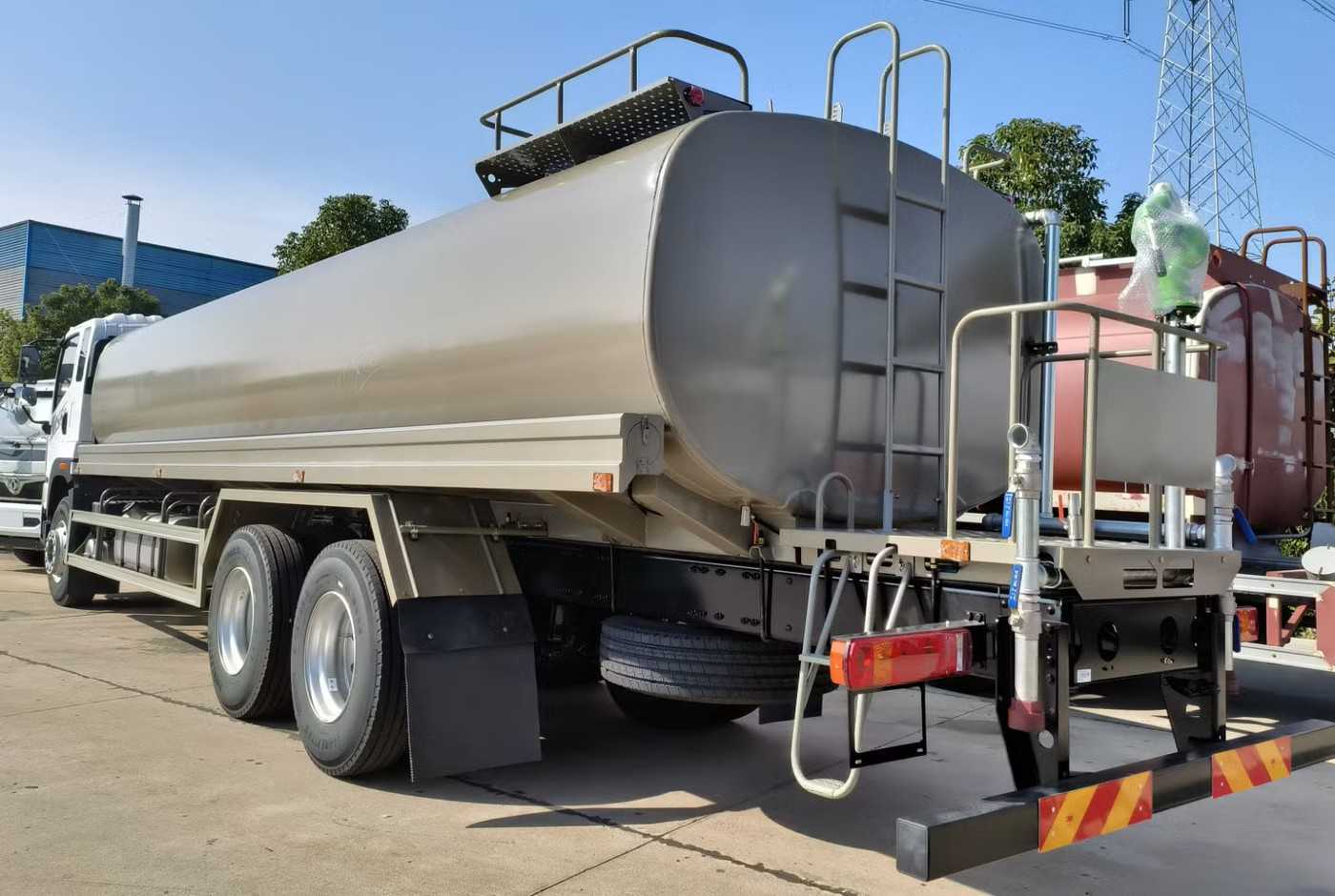
Across East, West, and Southern Africa, bulk drinking water transport is now tightly audited. Commercial distributors in Nairobi and Lagos, coastal resorts in Mombasa and Zanzibar, municipal water boards, and humanitarian WASH fleets all face one core choice when ordering a potable water tanker: food-grade 304 stainless steel or epoxy-lined carbon steel?
Material mistakes rarely appear on delivery day—they surface months later when heat, chlorinated borehole water, and corrugated roads cause coating blisters, metallic odour, failed coliform tests, or relining downtime. Weighing shell metallurgy, sanitary fittings, and lifecycle Total Cost of Ownership (TCO) protects both water safety and uptime.
Why Drinking Water Delivery Requires Different Tank Specs Than Road Spraying
A costly mistake is assuming any clean water bowser truck can be flushed out for human consumption. Dust-suppression rigs—like the Dongfeng D17 Water Truck or Dongfeng D6 Water Cannon Truck—serve high-pressure spray bars and raw quarry water; their internal build is unsuitable for drinking water.
Corrosion, Taste Transfer, and Biofilm Traps
Road bowsers use bare Q235B carbon steel or basic anti-rust primer inside. Under dissolved oxygen and free chlorine, mild steel oxidises rapidly, releasing rust flakes that discolour water, raise iron above WHO aesthetic limits, and cause metallic taste rejections at hotels and bottling plants.
Biofilm is a sharper hazard. Industrial bowsers rely on lap joints, unground welds, and square baffle corners. Under 38°C–45°C solar heat, stagnant puddles behind rough welds incubate bacteria and coliforms that routine chlorination struggles to penetrate.
Structural Standards of a True Potable Water Truck
A purpose-built potable water truck removes contamination traps at fabrication:
- Flush-ground continuous welds: Wetted seams are continuously welded (TIG/MIG on stainless) and ground smooth to eliminate slag crevices.
- Free-draining wave baffles: Anti-surge plates include bottom drain cutouts and top vents for full drainage.
- Sloped bottom sump: A recessed sump allows near-100% gravity drain-out after every shift.
- Lubricant isolation: Pump drive shafts, PTO couplings, and grease points stay separated from the manhole and manifold.
Food-Grade 304 Stainless Steel vs Epoxy-Lined Carbon Steel
African buyers specifying a steel water tanker for potable duty generally weigh two proven builds: monolithic austenitic stainless steel (SUS304, or SUS316L for aggressive coastal salinity) versus Q235B carbon steel lined internally with solvent-free food-grade epoxy.
High-capacity urban haulers such as the 14-Ton Potable Water Truck and compact resort carriers like the BJ5048XLC-FM3 Potable Water Tanker can be configured to match your hygiene regime and capital budget, provided you compare lifecycle cost rather than headline price alone.
| Comparison Factor | Food-Grade 304 Stainless Steel | Epoxy-Lined Carbon Steel (Q235B) |
|---|---|---|
| Shell Material | SUS304 stainless steel (4–5 mm shell; SUS316L optional for high-chloride coastlines) | Q235B carbon steel (4–5 mm), grit-blasted to SA2.5 with 250–350 µm food-grade epoxy |
| Corrosion & Chlorine Resistance | Passive chromium-oxide layer resists rust, shock chlorination, and mineral-rich borehole water | Depends entirely on intact coating; pinholes or chassis flex allow under-film rust |
| Service Life Before Refurbishment | 10–15+ years with zero internal recoating under normal potable service | 2–4 years in hot African climates before patch repair or full re-blasting and re-lining |
| Cleaning & Sanitising | Pickled/passivated smooth interior handles hot washes, CIP spray balls, and bleach flushes | Needs gentle low-pressure washing; abrasive tools or thermal shock can chip the lining |
| Initial Price Tier | Tank body costs roughly 30%–50% more, adding ~12%–22% to complete-truck FOB pricing | Lower upfront purchase tier; fits strictly capped capital budgets or 1–3 year contracts |
| 5- to 8-Year TCO & Resale | Lowest lifecycle cost (no relining downtime) and strongest African resale value | Higher TCO once imported resin, blasting labour, and 2–3 weeks workshop downtime accrue |
| Ideal Buyer Profile | Commercial hauliers, 4–5 star resorts, bottling plants, UN/NGO WASH fleets, municipalities | Budget-constrained public works, short-term camp supply, or fleets with blasting bays |
Low-bid workshops sometimes coat carbon steel tanks with industrial alkyd enamel or zinc-rich primer and market them as potable. Under intense African sun, non-certified paints leach solvents, flake into drinking water, and fail basic toxicology audits. If you order carbon steel, mandate SA2.5 abrasive blasting, at least 250 microns dry-film thickness (DFT) of NSF/ANSI 61 or WRAS-equivalent solvent-free epoxy, and a pre-shipment high-voltage holiday (pinhole) test report.
The Real TCO Math in African Operations
At the FOB quote stage, an epoxy-lined carbon steel water tanker looks noticeably cheaper. Over five to eight years in Kenya, Nigeria, Ghana, or Tanzania, however, relining a 12,000- to 20,000-litre tank locally is disruptive: confined-space grit blasting, dehumidification, importing certified two-pack food-grade resin, and observing seven-day cure times routinely take a revenue-earning truck offline for two to three weeks. Two recoating cycles easily erase the upfront savings.
By contrast, a stainless steel water tanker built from certified SUS304 requires no internal paint, passes hotel or NGO spot inspections smoothly, and holds superior resale value. Mixed-utility fleets—similar to our Shacman 15–20 CBM Water Bowser batch project—often reserve SUS304 strictly for drinking water trucks while keeping carbon steel for road-spraying and fire-reserve units.
Sanitary Fittings Checklist: Pumps, Manholes, Valves & Hoses
Specifying a 304 stainless steel shell is wasted if water still passes through a cast-iron pump, galvanised elbows, and black industrial rubber hoses. Every wetted surface from the top fill hatch to the customer nozzle must meet hygienic standards.
Sanitary Stainless Pumps and Seal Integrity
Cast-iron bowser pumps corrode internally overnight once humid air enters the volute, flushing brown rust into the first 50 litres of every drop. Specify a 304 or 316 stainless steel sanitary centrifugal pump—driven via gearbox PTO or an auxiliary diesel engine—fitted with a food-grade mechanical shaft seal (silicon carbide with Viton or EPDM elastomers). Order spare mechanical seals and O-rings with the truck, as roadside markets mainly stock cast-iron irrigation pump parts.
Manholes, Dust-Proof Breathers, and CIP Wash Ports
Fine red laterite dust on unpaved haul roads penetrates poorly sealed hatches. Following our tropical dust-proof design principles, specify raised 450–500 mm stainless steel manholes with anti-seize hinged lids, white food-grade silicone/EPDM gaskets, and padlock hasps for custody seals.
Pair every manhole with a stainless pressure/vacuum (P/V) breather valve containing a replaceable micron dust filter and insect screen; without it, rapid pumping vacuums airborne dust onto the water surface. For high-turnaround commercial fleets, adding internal stainless CIP (Clean-in-Place) rotary spray balls connected to a rear washout port speeds up sanitising while reducing confined-space entry.
| Wetted Component | Required Potable Specification | Bowser Part to Reject | Audit & Maintenance Benefit |
|---|---|---|---|
| Transfer Pump | SUS304/316 sanitary centrifugal pump with food-grade mechanical seal | Cast-iron irrigation pump with greased packing gland | Prevents first-flush rust and eliminates lubricant leakage |
| Piping & Valves | SUS304 tubing; sanitary butterfly or full-bore stainless ball valves | Black steel pipe, galvanised fittings, leaded brass gate valves | Smooth bore stops scale and sediment buildup |
| Delivery & Suction Hoses | Odourless food-grade EPDM or reinforced PVC hose with stainless camlocks | Black industrial rubber or lay-flat canvas irrigation hose | No rubber taste or plasticiser leaching at 40°C+ |
| Manhole & Custody Lock | 500 mm SUS304 hinged hatch, anti-seize bolts, food-grade seal, padlock hasp | Thin painted mild-steel bolt lid with nitrile oil gasket | Blocks dust/rainwater and accepts tamper-evident seals |
| Breather Valve | Stainless P/V valve with dust filter element and mesh screen | Open gooseneck vent pipe or unscreened overflow | Stops laterite dust and insects entering during discharge |
| Hose Storage | Lockable enclosed stainless or aluminium side tubes with end caps | Open side racks exposing couplings to road mud | Keeps hose ends sanitary between deliveries |
Compact urban delivery models like the BJ5048XLC-FM3 Light-Duty Potable Water Truck particularly benefit from enclosed side hose lockers and rear stainless valve cabinets during multi-drop estate rounds.
Preventing Cross-Contamination & Routine Tank Sanitising
Even a certified stainless steel water tanker fails microbiological checks if operational discipline slips. Most contamination traces back to back-hauling non-potable water, dragging uncapped hose ends through dirt, or leaving warm residual water in the tank overnight.
Routine Sanitising & Testing SOP
- Strict Commodity Dedication: Never use a potable water truck for borehole drilling mud, construction greywater, or road spraying. High-visibility "DRINKING WATER ONLY" livery reinforces driver compliance.
- Daily Complete Drain-Down: Open the bottom sump valve and manifold bleeders at shift end so warm stagnant puddles cannot sit overnight.
- Scheduled Shock Chlorination: Weekly (for resorts and WASH camps) or bi-weekly, rinse walls via CIP spray balls or potable high-pressure wash, circulate a 50 ppm free-chlorine sodium hypochlorite solution for 30–60 minutes, drain responsibly, and flush with clean potable water until residual chlorine falls within safe limits.
- Water Quality Verification: Log free chlorine residual (typically 0.2–0.5 mg/L at delivery), turbidity (<1–5 NTU), pH (6.5–8.5), and TDS with handheld meters, backed by monthly accredited lab tests for E. coli and total coliforms per KEBS, NAFDAC, or Ghana FDA standards.
Contamination rarely starts inside a sealed tank—it starts at an uncapped hose coupling dropped near a fuel bay. Mandate tethered stainless dust caps on all camlock fittings, keep a laminated sanitising log in the cab, and seal the top manhole and rear valve cabinet with numbered plastic tags at the filling point.
How to Specify a Potable Water Tanker in Your Tender or Quote
A clear technical brief prevents under-specced bids and protects your budget. Lock down four Africa-specific parameters before requesting a quotation.
1. Steering Orientation, Chassis & Emission Tier
Confirm whether your market requires Left-Hand Drive (Nigeria, Ghana, Côte d'Ivoire, Senegal, Cameroon, Ethiopia) or Right-Hand Drive (Kenya, Tanzania, Uganda, Zambia, South Africa, Zimbabwe, Malawi); review our LHD and RHD truck configurations early because steering side affects chassis build slots. Match engine emission levels (Euro II/III mechanical or low-sensitivity common rail versus Euro IV/V) to local diesel sulphur content and workshop diagnostics via our African emission and chassis guide.
2. Tank Capacity vs Regional Weighbridge Limits
Water weighs 1,000 kg per cubic metre, leaving no margin for overloaded axles along EAC corridors (Mombasa–Nairobi, Dar es Salaam–Morogoro) or ECOWAS highways:
- 4,000–6,000 L (4x2 light chassis): Built for tight resort lanes, hotels, and urban estates.
- 8,000–12,000 L (4x2 medium chassis): Balanced urban bulk distribution respecting 10-tonne single rear-axle limits.
- 14,000–20,000 L (6x4 heavy chassis): High-volume municipal, mine-camp, and NGO haulage spreading payload across tandem rear axles with wave baffles.
3. Factory Testing & Destination Conformity
Mandate pre-shipment verification in your tender: SUS304/316 mill test certificates (MTC), dye-penetrant weld checks and passivation proof for stainless shells—or SA2.5 blast logs, DFT measurements, and holiday spark-test reports for epoxy linings—plus a full hydrostatic leak test. Note that factory ISO management-system certificates verify manufacturing quality processes rather than acting as individual vehicle destination approvals; buyers still require national conformity clearance (PVoC in Kenya/Tanzania, SONCAP in Nigeria, or local roadworthiness inspection). Review our factory documentation, import compliance support, and tender documentation services to align bid dossiers smoothly.
4. FOB vs CIF Landed-Cost Budgeting
Complete truck pricing depends on chassis marque (Dongfeng, Foton, Shacman, SINOTRUK HOWO, ISUZU), drive layout, SUS304 versus epoxy-lined tank body, sanitary pump kit, and steering orientation. Always compare landed cost at your entry port—Apapa, Tema, Mombasa, Dar es Salaam, Durban, or Beira—including Ro-Ro or breakbulk freight, marine insurance, pre-shipment inspection, duties/VAT, and a 12-month filter and pump-seal spares pack. See our payment and shipping guide for incoterms; final binding pricing is confirmed via formal written quotation based on your exact configuration and destination port.
Frequently Asked Questions
When should African fleets upgrade from SUS304 to SUS316L stainless steel?
SUS304 handles over 90% of municipal and treated borehole water applications. Upgrade to molybdenum-bearing SUS316L along humid coastlines (Mombasa, Lagos, Dar es Salaam, Durban) when hauling brackish desalinated water or running frequent high-strength shock chlorination, as SUS316L resists chloride pitting far better.
Can a used carbon-steel road-spraying bowser be converted to potable water?
Rarely safely or economically. Used bowsers have corroded unground welds, stagnant corners, rust-pitted plates, and cast-iron plumbing that resist sanitisation. Refurbishment costs and audit failure risks make a purpose-built potable tanker the smarter choice.
How long does food-grade epoxy coating last inside a carbon steel water truck?
Over SA2.5 blasted steel at 250–350 microns DFT, solvent-free food-grade epoxy lasts 3–5 years in mild climates and 2–4 years under African heat, rough roads, and chlorination. Annual manhole checks catch blistering early.
Does a stainless steel potable water tanker weigh less than carbon steel?
At equal 4–5 mm wall gauges, SUS304 and Q235B share nearly identical densities (~7.93 vs 7.85 g/cm³), giving similar tare weights. Because stainless steel needs no corrosion allowance or heavy internal linings, engineers can sometimes optimise shell gauge slightly while protecting axle compliance.
Build Your Potable Water Tanker Quote Brief
Compare factory-direct SUS304 stainless steel and epoxy-lined carbon steel builds. Share five details for an accurate written quotation and GA drawing:
- Capacity & Axle: Target volume (5,000–20,000 L) and 4x2 or 6x4 chassis preference.
- Tank & Sanitary Spec: SUS304, SUS316L, or food-grade epoxy carbon steel, plus stainless pump, CIP balls, or flowmeter.
- Steering & Emissions: LHD or RHD and local emission tier (Euro II/III/IV/V).
- Destination Port & Incoterm: Entry port (Mombasa, Dar es Salaam, Tema, Apapa, Durban, Beira) and FOB or CIF preference.
- Quantity & Inspection: Unit count, delivery window, and third-party inspection (PVoC, SONCAP, NGO audit) needs.