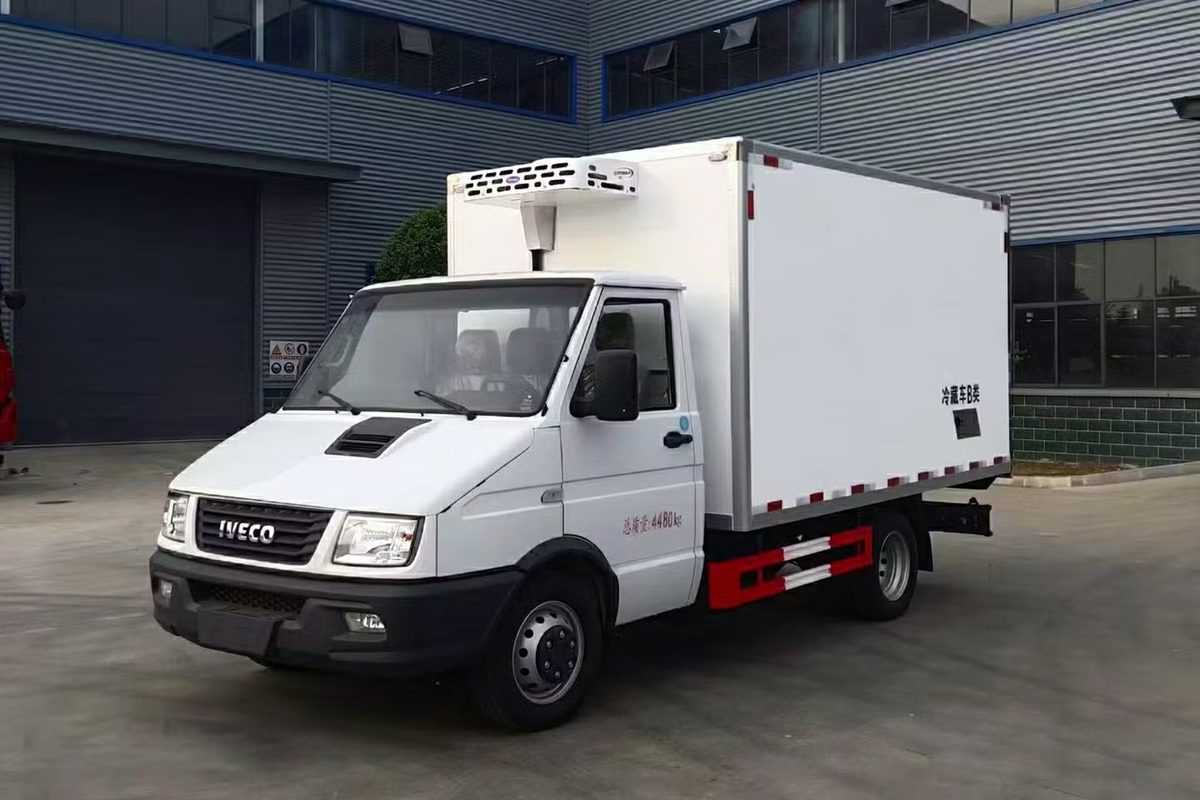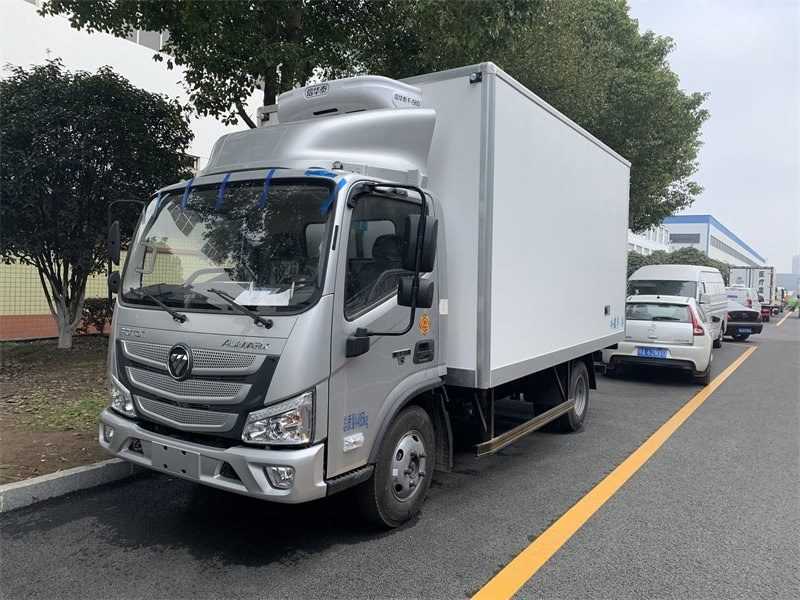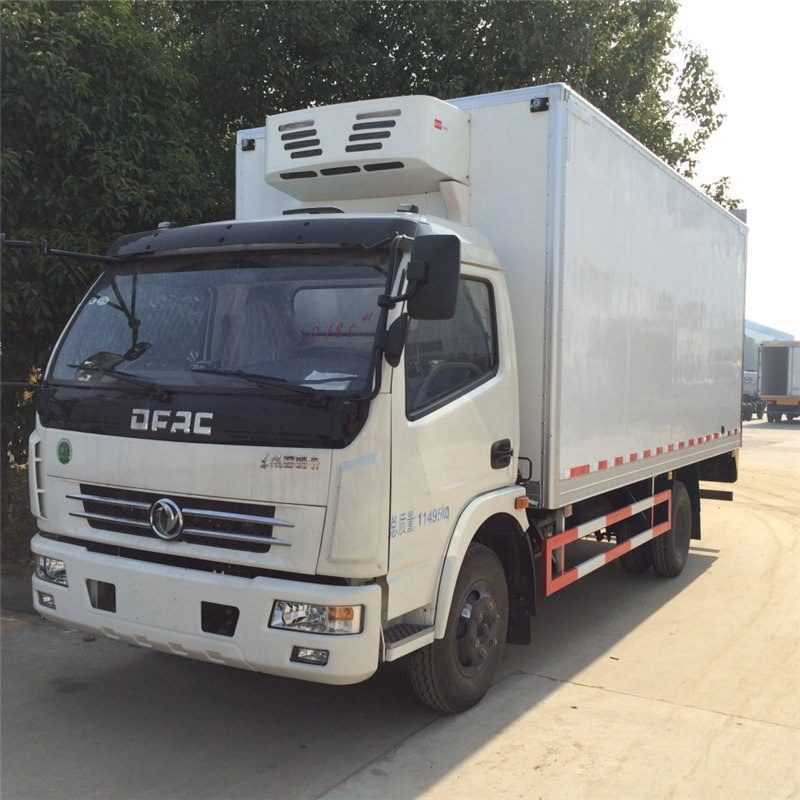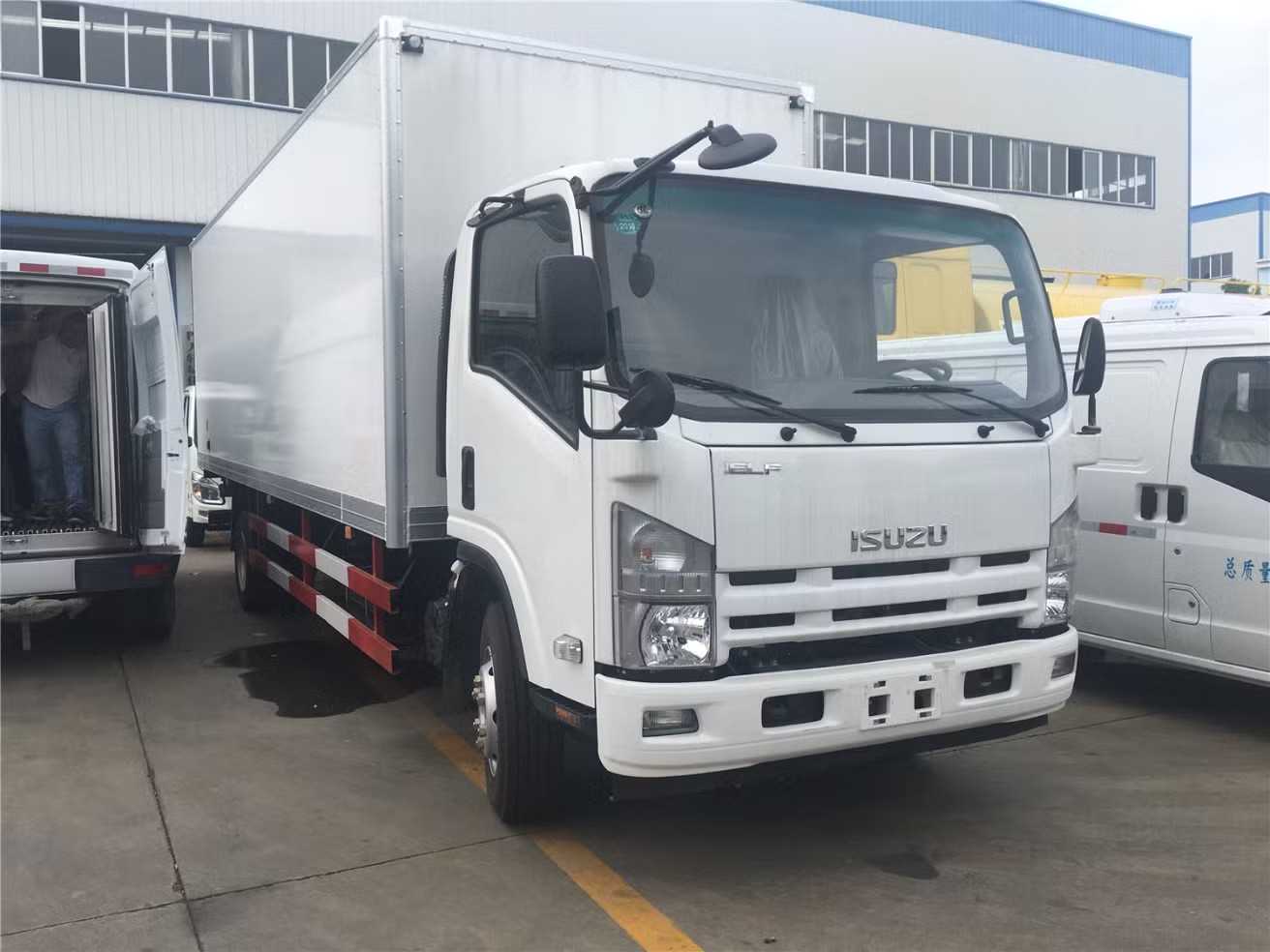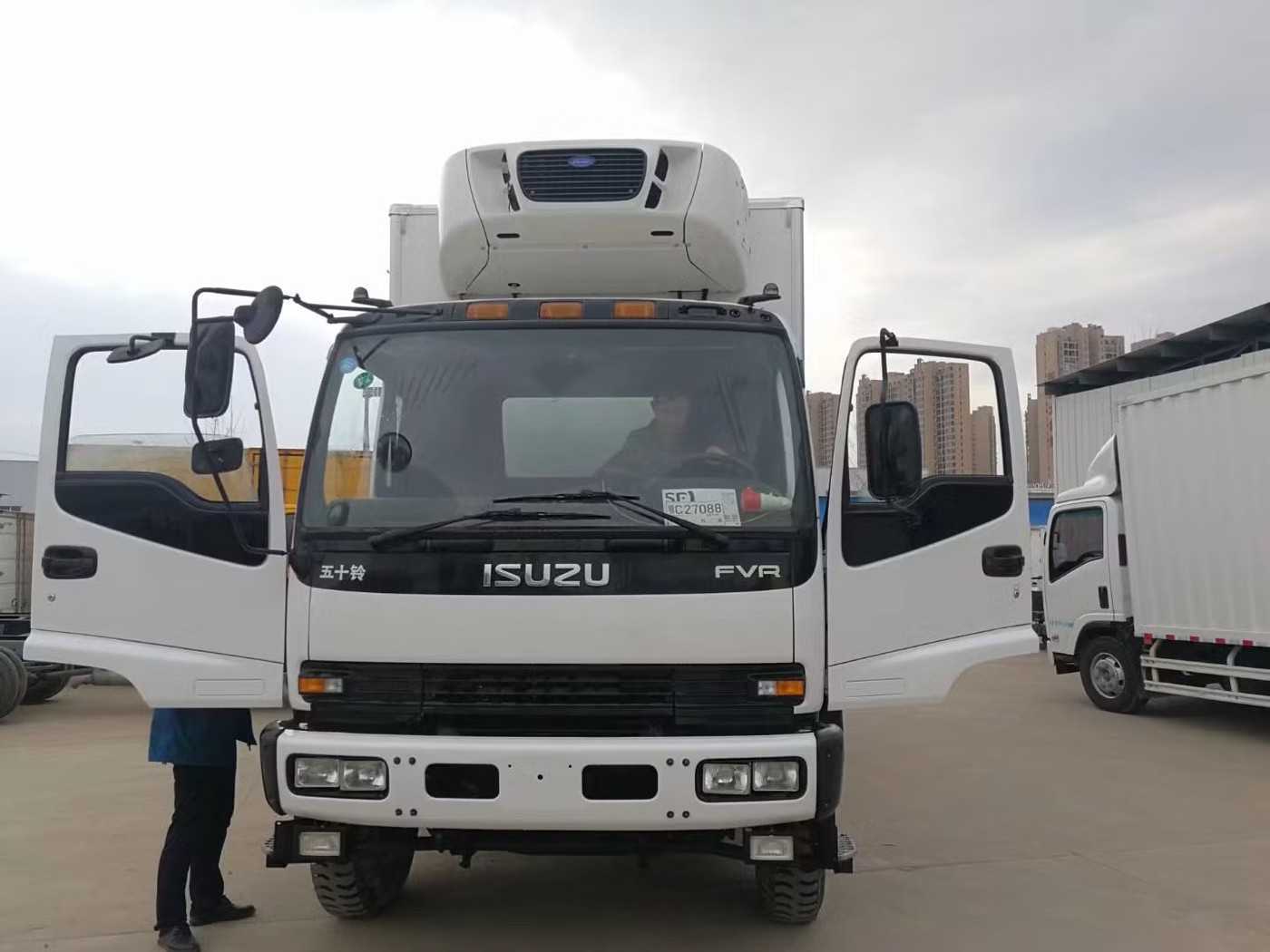
Across Africa, cold-chain uptime directly determines commercial margins. Kenyan cut-flower and avocado exporters haul perishables from Naivasha, Thika, and Eldoret to Jomo Kenyatta International Airport (JKIA) against strict cargo cutoffs; Nigerian cold-store operators dispatch frozen poultry and seafood out of Lagos toward Ibadan, Abuja, and Onitsha; and Southern African fleets move meat, dairy, and medicines across Johannesburg, Harare, Lusaka, and Gaborone. On these corridors, an under-specified fridge truck or refrigerated truck leads quickly to rejected loads, excess fuel burn, and premature compressor failure.
With ambient heat topping 40°C, fine laterite dust, long border delays, and uneven roads, specifying a refrigerated truck for Africa requires matching cargo thermal load, polyurethane box construction, cooling drive type, steering side, and port compliance to real operating routes.
Matching Temperature Zones to African Cold-Chain Cargo
Buyers evaluating refrigerated trucks for sale in Kenya, Nigeria, or Southern Africa often order a generic chilled van without calculating heat load. Remember that truck refrigeration units are built to hold pre-cooled cargo at target temperature rather than rapidly freeze warm loads. Define your exact temperature band first.
Fresh Flowers, Horticulture & Chilled Produce (0°C to +8°C)
Kenya’s export roses, French beans, and Hass avocados require tight holding bands—typically +2°C to +5°C for flowers and +4°C to +8°C for tropical produce to prevent chill injury. Because fresh produce respires and releases heat and moisture in transit, your box needs uninterrupted airflow around stacked cartons, tight thermostat control, and quick recovery after packhouse loading.
Frozen Meat, Poultry & Seafood (-18°C to -20°C)
Frozen protein haulage across Nigeria, Zimbabwe, and Zambia creates the heaviest thermal demand. Under 40°C+ ambient heat and rising asphalt radiation, holding -18°C produces a nearly 60°C temperature delta across every wall panel. Multi-hour delays in Apapa port traffic or overnight waits at Beitbridge and Chirundu border posts trigger rapid thaw unless the truck carries thick insulation, oversized condensers, and automatic hot-gas defrost.
Pharmaceutical & Vaccine Cold-Chain Logistics (+2°C to +8°C)
Good Distribution Practice (GDP) vaccine and medicine fleets cannot tolerate freezing below +2°C or warming above +8°C. Specify dual cool/heat capability for chilly highland mornings in Nairobi or Johannesburg, calibrated front-and-rear temperature probes, GPS data loggers with SMS alarms, and an in-cab thermal printer for audit trails.
| Cargo Segment | Target Temp | Recommended Box & Floor | Cooling & Monitoring Spec | Routes & CLW Platforms |
|---|---|---|---|---|
| Flowers & Horticulture | 0°C to +8°C | 80mm PU foam, FRP skins, T-channel aluminum airflow floor | High-airflow evaporator, PVC curtains, cab digital controller, shore standby | Naivasha/Eldoret to JKIA; CLW HYS5080XLCQ6 |
| Frozen Meat & Seafood | -18°C to -20°C | 80mm–100mm PU, broken-bridge frame, heavy scuff guards | -20°C high-capacity unit, hot-gas defrost, multi-lip EPDM door seals | Lagos/Apapa to Abuja; SADC protein corridors |
| Vaccines & Pharma | +2°C to +8°C | 80mm PU, seamless pharma-grade FRP interior, 5-side vents | Multi-probe calibrated logger, GPS telemetry, door alarm, heater, shore plug | Metro hospital & depot loops via CLW CL5041XLCBEV |
| Dairy & Urban Retail | +2°C to +6°C | 80mm PU, side door with heavy PVC strips, anti-slip T-floor | Fast pull-down sizing for 20+ daily drops; optional electric drive | Nairobi, Lagos & Lusaka retail via CL5041XLCBEV |
Box Insulation Thickness & Polyurethane Foam Quality
No refrigeration compressor can overcome a leaky box. Direct tropical sun can heat a truck roof past 65°C; poor insulation forces constant compressor cycling, spikes fuel burn, and accelerates belt failure.
- 80mm Closed-Cell Polyurethane (PU) Core: Specify at least 80mm high-density PU foam (40–45 kg/m³) on sidewalls and doors, stepping up to 100mm on roof and floor panels for dedicated -18°C frozen fleets. Vacuum-pressed closed-cell sandwich panels minimize thermal conductivity (K-value) and block washdown moisture ingress.
- Thermal-Bridge-Free (“Broken-Bridge”) Framing: Low-cost bodies bolt metal ribs straight through inner and outer walls, creating heat paths and interior condensation lines. Require thermally broken composite profiles bonded with polyurethane structural adhesive.
- Inner & Outer FRP Composite Skins: Gloss-white Fiberglass Reinforced Plastic (FRP) reflects solar heat, resists coastal salt corrosion in Mombasa, Lagos, and Durban, cleans easily for food/pharma hygiene, and repairs far faster than dented aluminum or painted steel.
- T-Channel Aluminum Floor & Anti-Collision Guards: Extruded T-channel aluminum flooring maintains continuous cold-air return beneath palletized boxes so bottom cartons never overheat. Pair it with 300mm–400mm internal aluminum kick plates to protect walls from pallet jacks, 304 stainless steel hinges and cam locks, and replaceable multi-lip EPDM rubber seals.
On Nairobi, Lagos, or Harare retail loops with 20+ daily stops, warm humid air entering open rear doors can represent up to 40% of total cooling load. Skipping heavy overlapping PVC strip curtains, accepting thin 50mm side panels, or ignoring door-gasket compression will double compressor run time and rapidly ice up the evaporator coil.
Choosing the Cooling Unit: Independent vs Engine-Driven
Your refrigeration drive architecture governs upfront budget, usable payload, and resilience during traffic jams or border halts.
Non-Independent (Engine-Driven) Units for Light & Medium Trucks
On 3.5-ton to 10-ton GVW rigid trucks (3.5m–6.2m boxes), a non-independent cooling unit drives its compressor directly off the truck engine via a heavy-duty belt. It reduces purchase price, saves tare weight for extra payload, and keeps servicing to a single diesel engine. For flower farm-to-airport shuttles and regional chilled routes, a medium-duty diesel chassis like the CLW Refrigerated Truck · HYS5080XLCQ6 with a tropical-rated engine-driven unit delivers strong lifecycle economics. Because output falls at idle in city gridlock, specify an engine idle-up control and generous evaporator capacity.
Independent (Self-Powered) Units for Long-Haul & Deep-Freeze Fleets
For heavy 6x2/6x4 reefer trucks (6.8m–9.6m boxes) and refrigerated semi-trailers, an independent cooling unit with its own onboard diesel engine is essential. It keeps frozen meat locked at -18°C even when the truck engine is shut off during 12-hour customs queues, overnight rest stops, or roadside repairs. Although upfront capital and routine filter maintenance are higher, saving a single 15-ton frozen protein shipment easily justifies the upgrade.
Standby Shore Power, Brand Support & Electric Urban Platforms
For either diesel system, adding a 380V/220V electric standby plug lets depots pre-cool boxes overnight on grid or solar power without idling engines. Brand choice should match local service reach: global units such as Thermo King and Carrier Transicold suit nationwide dealer-backed fleets, while proven Chinese commercial brands such as Kaixue, Hanxue, or Kelly deliver strong value where export spare parts and R404A/R452A technicians are readily available.
Where metropolitan pharma depots, airport caterers, and city grocers have overnight depot charging, battery-electric fridge trucks are gaining traction. CLW’s compact electric models—CL5041XLCBEV (Config 49170), CL5041XLCBEV (Config 49171), and CL5041XLCBEV (Config 49174)—run refrigeration directly off the traction battery, sustaining steady cooling in standstill traffic with zero diesel idling waste.
| Factor | Engine-Driven Unit | Independent Diesel Unit | Battery-Electric Reefer (BEV) |
|---|---|---|---|
| Power Source | Belt-driven off chassis engine | Dedicated onboard diesel engine | Vehicle HV battery + depot charging |
| Best Box Class | Light/medium rigid (3.5m–6.2m) | Heavy rigid (6.8m–9.6m) & trailers | Compact urban box (~4m class) |
| Cooling at Stops | Needs engine idle or shore plug | Uninterrupted with truck engine off | Steady cooling in traffic, zero idling |
| Capital Cost Tier | Lowest entry investment | Higher upfront investment | Moderate-high upfront; low energy cost |
| Service Profile | One engine; belt & clutch checks | Separate reefer diesel servicing | Minimal powertrain wear |
| Best African Fit | Kenya flowers; regional chilled runs | Nigeria interstate meat; SADC long-haul | Urban pharma, airport & metro retail |
Proven Cold-Chain Delivery: 28 Tractors & Reefer Semi-Trailers for Sudan
Real field performance proves whether a cold-chain specification can handle Africa’s toughest routes. CLW’s completed delivery of 28 heavy-duty tractors and refrigerated semi-trailers for Sudan humanitarian aid illustrates what extreme high-ambient corridors demand: daytime shade heat above 45°C, fine desert dust that quickly plugs standard condenser fins, rough feeder roads, and sparse roadside workshops.
To protect cargo across all 28 rigs, the fleet integrated CLW’s tropical and dust-proof design upgrades: oversized aluminum-fin condensers and enlarged engine radiators to prevent high-ambient derating, multi-stage desert air pre-cleaners, reinforced heavy-duty suspension and trailer landing gear, high-density broken-bridge insulated boxes, and standardized field spare-parts kits shipped with the trucks. Whether you run private cold chains or institutional Ministry of Health procurements supported through CLW’s tender support team, always spec cooling capacity and dust filtration for the hottest month on your corridor.
Fridge Truck Buying Checklist for High-Ambient Climates
Before issuing a purchase order, confirm five regional compliance and landed-cost essentials across Kenya, Nigeria, and Southern Africa:
- LHD vs. RHD Steering: Kenya, South Africa, Zimbabwe, Zambia, Botswana, Namibia, Tanzania, and Mozambique mandate factory Right-Hand Drive (RHD), while Nigeria and Ghana mandate Left-Hand Drive (LHD). Always verify OEM-built steering via CLW’s LHD and RHD options rather than aftermarket conversions.
- Fuel Sulphur & Emission Tier: Match engine emission specs (Euro II to Euro V) and dual fuel-water separators to local diesel quality and mechanic familiarity using CLW’s emission and chassis guide to avoid sensitive after-treatment faults in rural regions.
- Weighbridge Axle Limits & Tare Math: Insulated FRP boxes, subframes, tail lifts, and independent cooling units add considerable curb weight. Under Kenya’s EAC Vehicle Load Control Act (Mariakani, Mlolongo, Gilgil weighbridges) and SADC axle-load rules across South Africa, Zambia, and Zimbabwe, calculate legal payload after subtracting full reefer body mass before selecting 4x2 versus 6x2/6x4 axles.
- Port Clearance & Import Compliance: Align pre-shipment inspections early to avoid port demurrage at Mombasa, Apapa/Tin Can, Durban, Beira, Walvis Bay, or Dar es Salaam. Kenya requires KEBS PVoC inspection (brand-new trucks satisfy import age rules smoothly); Nigeria requires Form M and applicable SONCAP documentation; Southern African ports require NRCS/SABS, ZABS, or ZIMRA alignment. Review import compliance and payment and marine shipping procedures ahead of production. Factory management certifications (shown on our certificates page) verify manufacturing quality control but are distinct from destination-country vehicle homologation.
- Full Landed-Cost Comparison: Compare complete CIF/landed cost—chassis, PU box spec, cooling unit brand, standby plug, pre-shipment inspection, Ro-Ro or flat-rack freight, marine insurance, customs clearance, and a 12-month wear-parts bundle (belts, filters, sensors, door gaskets). Final pricing is confirmed via formal written quotation based on your exact configuration and destination port; see how to buy factory-direct for payment milestones.
Before releasing balance payment, verify five factory records: (1) a timed pull-down curve reaching 0°C or -18°C empty; (2) a dark-box light-leak and chalk-seal test on all door gaskets; (3) electric standby plug and hot-gas defrost test video; (4) calibration certificates for pharma GPS data loggers; and (5) a serialized spare-parts and refrigerant specification packing list.
Frequently Asked Questions
1. Should I buy an engine-driven or independent cooling unit for Kenya or Nigeria?
Choose an engine-driven unit for 3.5m–6.2m chilled flower, produce, or urban retail trucks to minimize purchase cost and tare weight. Choose an independent diesel unit for heavy rigid trucks, semi-trailers, or -18°C frozen meat corridors facing long traffic jams or overnight border stops where the chassis engine must be switched off.
2. What insulation thickness is required for -18°C frozen cargo in hot African climates?
Specify a minimum 80mm high-density closed-cell polyurethane foam core on sidewalls and doors, and 100mm on roof and floor panels for continuous -18°C operation above 40°C ambient. Pair it with broken-bridge framing, gloss-white FRP skins, T-channel aluminum flooring, and heavy PVC strip curtains.
3. Can CLW build both RHD trucks for Kenya/Southern Africa and LHD models for Nigeria?
Yes. Factory-original RHD chassis are supplied for Kenya and Southern Africa, and LHD chassis for Nigeria and West Africa. Final pricing follows a formal written quotation driven by chassis brand, emission tier, box volume, cooling unit spec, steering side, and FOB/CIF port terms.
4. Where do electric refrigerated trucks like the CL5041XLCBEV work best in Africa?
Battery-electric fridge trucks excel on fixed urban routes—pharma distribution, hospital vaccine runs, airport catering, and metro supermarket loops—returning nightly to depot grid or solar chargers. They cut diesel idling waste in city traffic while maintaining steady cooling at loading docks.
Build Your Refrigerated Truck Quotation Brief
Share these five details with CLW Fleet Africa to receive a tailored technical specification, layout drawing, and factory-direct quotation:
- Destination Country, Port & Steering: LHD or RHD and arrival port (Mombasa, Apapa/Tin Can, Durban, Beira, Walvis Bay, or Dar es Salaam).
- Cargo & Temperature Zone: Flowers/produce (0°C to +8°C), frozen meat/seafood (-18°C), or GDP pharma (+2°C to +8°C).
- Payload, Box Volume & Fit-Out: Target payload tonnage, box dimensions, side doors, T-floor, meat rails, or tail lift.
- Cooling Unit & Telemetry: Engine-driven, independent diesel, or electric BEV, 380V/220V standby plug, and GPS data logger needs.
- Chassis, Emission Standard & Timeline: Preferred chassis tier, local fuel standard, spare-parts kit, and target delivery window.