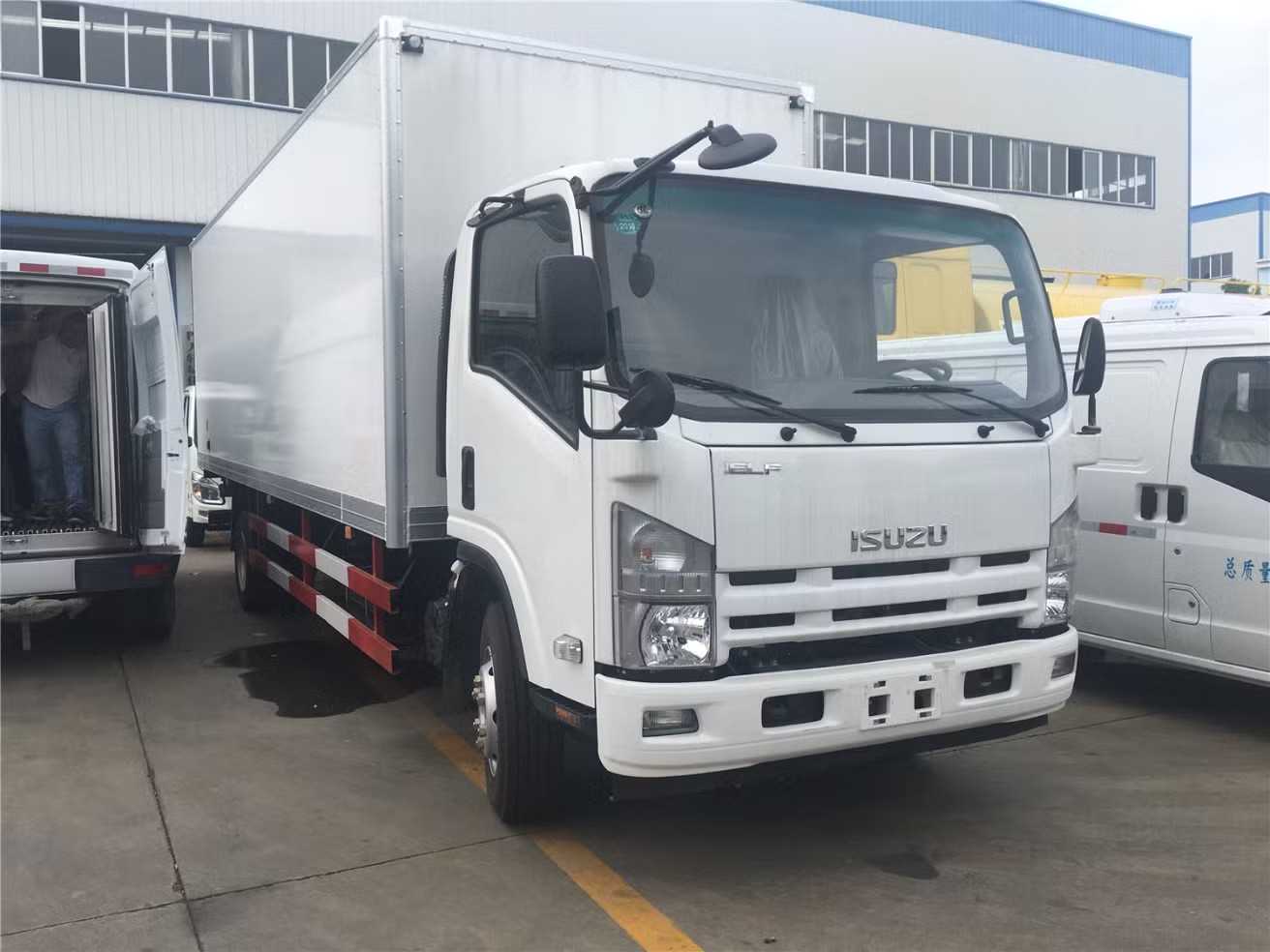
Across East, West, and Southern Africa, FMCG distributors, poultry processors, dairy cooperatives, and pharmaceutical wholesalers face a decisive shift: ambient freight margins are tightening while cold-chain contracts command higher rates and multi-year tenders. Evaluating a reefer truck vs dry van is not a cosmetic body choice—it is a structural decision governing legal payload, fuel burn, and cargo survival in 40°C+ heat.
From a distance, a dry cargo box truck and a refrigerated truck look similar on the same chassis. Underneath the paint, however, panel chemistry, door gaskets, floor extrusions, and electrical output are built to completely different standards. Knowing where those differences matter prevents underspecified cooling units, weighbridge fines, and failed retrofits.
Structural Differences Between a Dry Van Box Truck and a Reefer Truck
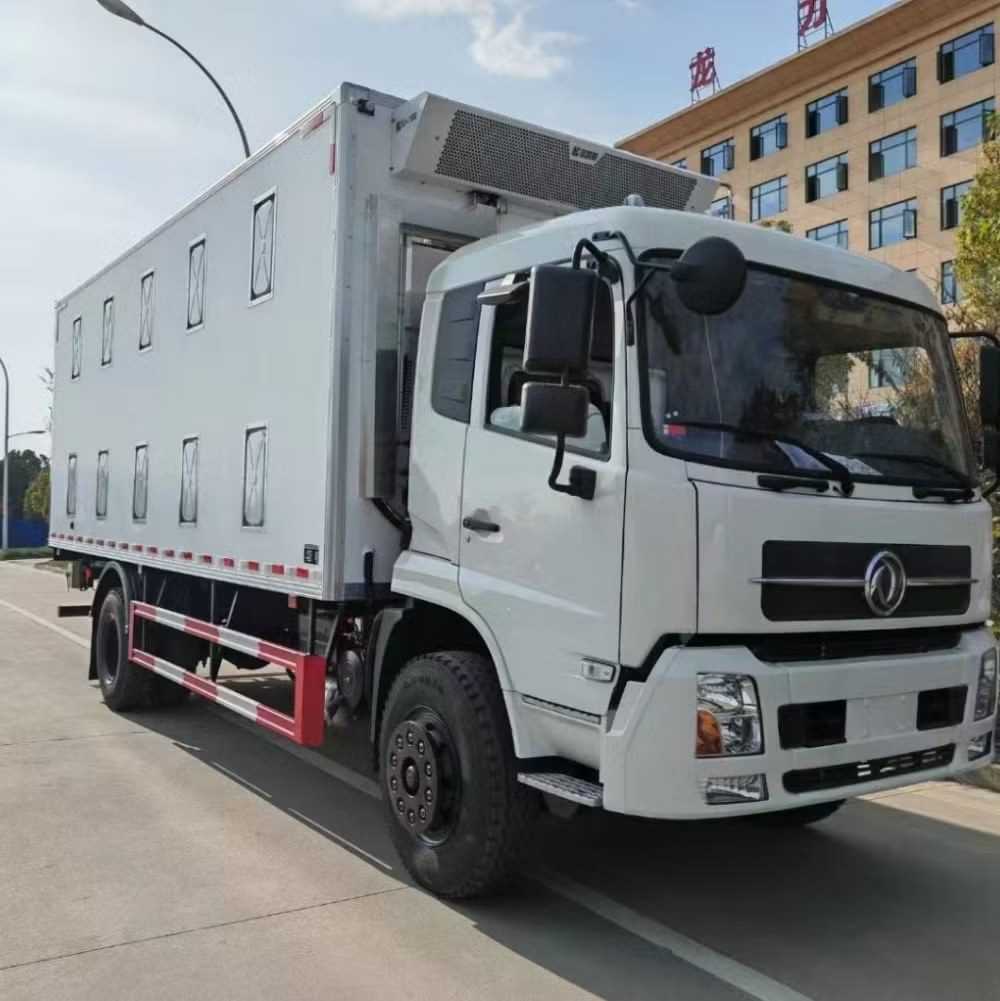
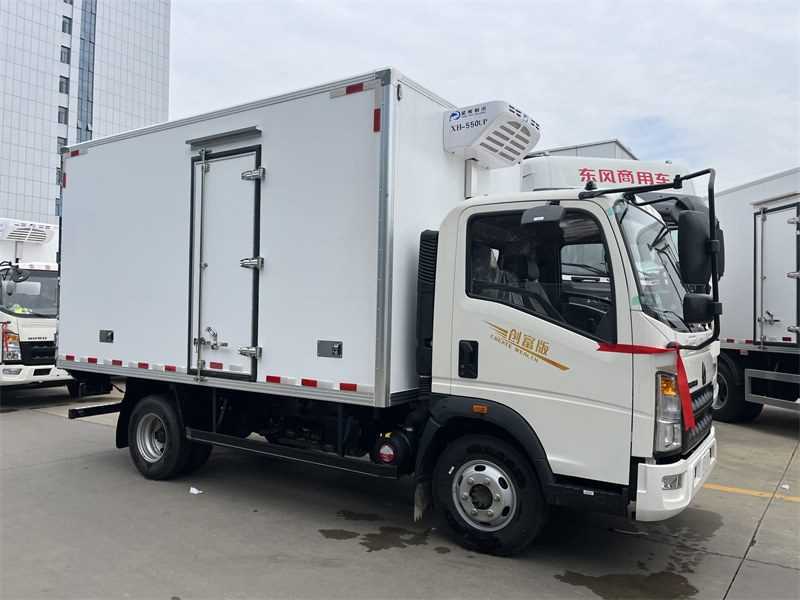
A dry van shields cargo from rain, dust, and theft at minimal tare weight. A refrigerated body acts as a sealed thermal vault resisting intense solar radiation, hot asphalt glare, and frequent door openings without warping or absorbing moisture.
Insulated Sandwich Panels vs. Single-Skin Corrugated Walls
Standard dry box trucks use single-skin corrugated mild steel, galvanized sheet, or aluminum riveted to steel posts. Metal ribs add rigidity cheaply yet conduct heat fast; parked at midday in Lagos, Dar es Salaam, or Accra, an uninsulated van interior easily exceeds 55°C.
A factory-built reefer uses closed-cell composite sandwich panels bonded in a hydraulic vacuum press. Fiberglass-reinforced plastic (FRP/GRP) skins encapsulate high-density polyurethane (PU) or XPS foam—60–80 mm for chilled cargo (0°C to +5°C) and 80–105 mm for frozen poultry, seafood, or ice cream (-18°C to -20°C). Vacuum lamination eliminates air voids that trap condensation and degrade K-value under highway vibration.
Multi-Lip Door Seals, Thermal-Break Frames, and T-Channel Flooring
Thick foam panels lose effectiveness immediately if warm air leaks around rear doors. Dry vans rely on basic rubber rain strips, whereas reefers use multi-lip EPDM compression gaskets seated against thermal-break frames that isolate outer trim from interior skins. Hinges, lock rods, and cams step up to 304 stainless steel to resist coastal salt corrosion around Mombasa, Apapa, Tema, and Durban.
Inside the bay, dry box trucks use flat marine plywood or checkered steel decking. Refrigerated vans require extruded aluminum T-bar flooring (or deeply ribbed aluminum tread plate) paired with aluminum kickplates. Those floor channels circulate cold air discharged from the ceiling evaporator down the rear doors and back underneath pallets to the front bulkhead, eliminating warm spots on bottom cartons.
Front Bulkhead Reinforcement and Refrigeration Unit Mounting
Nose-mounted condensers weigh from 60 kg on compact city chillers to over 600 kg on heavy independent diesel units. A dry van front wall would fatigue and crack under that cantilevered mass on corrugated regional corridors. Factory reefer bodies embed welded steel reinforcement plates inside the front bulkhead core, alongside pre-routed refrigerant lines, condensate drains, and structural roof framing.
| Engineering Feature | Dry Van Box Truck | Chilled Reefer (0°C to +5°C) | Deep-Freeze Reefer (-18°C to -20°C) |
|---|---|---|---|
| Wall & Roof Panels | Single-skin corrugated steel or aluminum on steel ribs | FRP/GRP composite panels, 60–80 mm PU foam core | FRP/GRP composite panels, 80–105 mm high-density PU core |
| Door Seals & Hardware | Single rubber rain strip; galvanized steel locks | Multi-lip EPDM gaskets; 304 stainless locks | Heavy thermal-break EPDM gaskets; 304 stainless locks |
| Cargo Floor Design | Marine plywood or checkered steel decking | Anti-slip aluminum plate with corner drains | Extruded aluminum T-bar airflow floor + scuff kickplates |
| Front Bulkhead & Roof | Standard framed sheet metal | Embedded steel mounting plate for split condenser | Heavy steel bulkhead frame + optional meat-rail roof channels |
| Body Tare Weight | Lowest tare; maximum ambient legal payload | Moderate tare rise (+15–25% body weight) | Highest tare from thick PU walls, T-floor, and unit mass |
| Target Cargo Fit | Ambient FMCG, beverages, dry goods, electronics | Fresh dairy, produce, pharmaceuticals, chilled meat | Frozen poultry, fish, ice cream, export seafood |
Cost Gap & Operating Fuel Impact Explained
When buyers compare a refrigerated truck price to an equivalent dry van on the same chassis, the upfront gap typically runs 35% to 75% higher—and more for dual-zone or heavy independent diesel reefers. Final pricing always follows a written quotation tailored to chassis model, steering hand, cooling brand, and destination port, because three concrete hardware layers drive that spread:
- Insulated Composite Body & Stainless Hardware: Vacuum-pressed FRP/PU sandwich panels, thermal-break door frames, extruded aluminum T-flooring, and 304 stainless locks cost substantially more than welded steel dry boxes.
- Refrigeration Unit Class: Urban and medium trucks typically run engine-driven (direct-drive) split units powered via a belt-driven compressor on the truck engine. Heavy intercity reefers often adopt independent diesel-powered units with a dedicated auxiliary engine—maintaining -18°C during customs delays, weighbridge queues, or overnight stops while the main engine rests.
- Temperature Monitoring & Air Curtains: Heavy-duty PVC strip curtains, multi-probe digital loggers, cab displays, and higher-output alternators add upfront cost while cutting cold loss and protecting high-value loads.
Fuel Burn, Tropical Heat Load, and Hidden Landed Costs
Running costs diverge sharply as well. In 38°C to 45°C heat, an engine-driven compressor adds roughly 10% to 18% to diesel consumption, rising further on multi-drop city routes. Independent diesel units burn auxiliary fuel per hour while sparing the main engine heavy idling wear. Laterite dust also clogs condenser fins quickly, raising head pressure and overheating compressors. Specifying oversized tropical heat exchangers and easy-clean guards—detailed in our tropical dust-proof design guide—alongside a serviceable Euro II, Euro III, or Euro V diesel chassis protects spare-parts availability and uptime.
Budget total landed cost beyond factory FOB. Reefers ship mainly via Ro-Ro vessels (or flat-rack for oversized bodies) into Apapa, Tema, Mombasa, Dar es Salaam, Beira, and Durban. Freight, port fees, duty, and conformity inspections (PVOC, SONCAP, TBS, KEBS) scale with CIF value and dimensions—review our payment and shipping guide and import compliance overview before ordering.
A refrigeration unit rated for -18°C in a 30°C temperate climate often holds only -10°C during a 42°C African afternoon. Building in 20–30% extra cooling margin and 85–100 mm PU insulation adds a modest share to initial price while preventing rejected supermarket loads, shortened compressor life, and excessive fuel burn.
Can You Convert a Dry Box Truck Into a Fridge Truck Later?
Many growing operators consider buying a dry box truck today and retrofitting insulation and a chiller once cold-chain contracts arrive. While workshops can glue foam inside a steel box, converting a dry van almost always costs more over three years than buying a factory reefer upfront:
- Payload & Volume Loss: Adding 80–100 mm of foam plus inner sheeting steals 160–200 mm from internal width, length, and height—often cutting a pallet row while adding dead weight that reduces legal payload at weighbridges across Kenya, Tanzania, Zambia, and Nigeria.
- Thermal Bridges & Moisture Rot: Steel wall posts, floor ribs, and door jambs conduct outside heat straight through improvised linings. Humid air condenses behind panels, waterlogging foam, breeding mold, and rusting the outer shell from inside.
- Structural Cracking & Engine Rework: Cutting an unreinforced front bulkhead for a condenser invites vibration cracking on rough roads, while custom engine-bay compressor brackets frequently cause belt throwing, pulley wear, and alternator overload.
Improvised conversions may cope with short urban chilled-beverage runs (+8°C), but they rarely pass supermarket or pharmaceutical audits for frozen meat, fish, or vaccines. Factory-bonded composite bodies verified during pre-shipment factory checks—like the workflow shown in our Nigeria client factory inspection case study—eliminate rework risk. Note that factory ISO quality management certifications on our certificates page govern manufacturing systems and do not replace destination-country vehicle import approvals.
Options Worth Paying For: Side Doors, Meat Rails, Standby Electric Plug & Temp Logger
Four factory-integrated options deliver fast operational payback across African cold chains—and all should be engineered into the body panels before foaming rather than cut in afterward:
Curbside Side Doors Matched to LHD or RHD Traffic
Swinging full rear doors wide open twenty times daily dumps nearly the entire box of cold air onto the street. A single-leaf insulated curbside door cuts thermal loss sharply and lets crews unload safely on the pavement side—right-hand side for LHD markets (Nigeria, Ghana, Ivory Coast) and left-hand side for RHD markets (Kenya, Tanzania, Uganda, Zambia). Confirm orientation early using our LHD and RHD configuration guide.
Overhead Stainless Meat Rails
Abattoirs and wholesale butcheries hauling chilled beef, goat, or pork carcasses need suspended 304 stainless steel hook rails so cold air circulates around every carcass off the floor. Because hanging loads shift dynamically during braking and cornering, embedded steel roof channels and vertical reinforcements must be laminated inside the body at the factory.
Standby Electric Plug (220V / 380V Shore Power)
An electric standby plug connects the cooling unit to depot grid power or a site generator overnight. Fleets can pre-cool boxes to -18°C before dawn loading or hold cargo safely during daytime city truck bans and weekend layovers without idling the main diesel engine.
Digital Temperature Logger & Dual-Zone Partitions
Supermarkets, QSR chains, and medical distributors increasingly require printed or USB/GSM temperature logs before accepting deliveries. A cab-mounted recorder with multi-point probes settles cargo-spoilage disputes instantly, while a movable insulated bulkhead with an auxiliary fan lets one truck haul frozen and chilled goods simultaneously.
Sizing Matrix: 3-Ton Urban Chiller vs 10–15-Ton Intercity Reefer
Right-sizing prevents two costly cold-chain mistakes: running an oversized 15-ton reefer in narrow city streets where curfews and fuel burn crush margins, or pushing a 3-ton urban chiller across 900 km regional corridors where rough roads overload suspension and inflate cost per ton-kilometre.
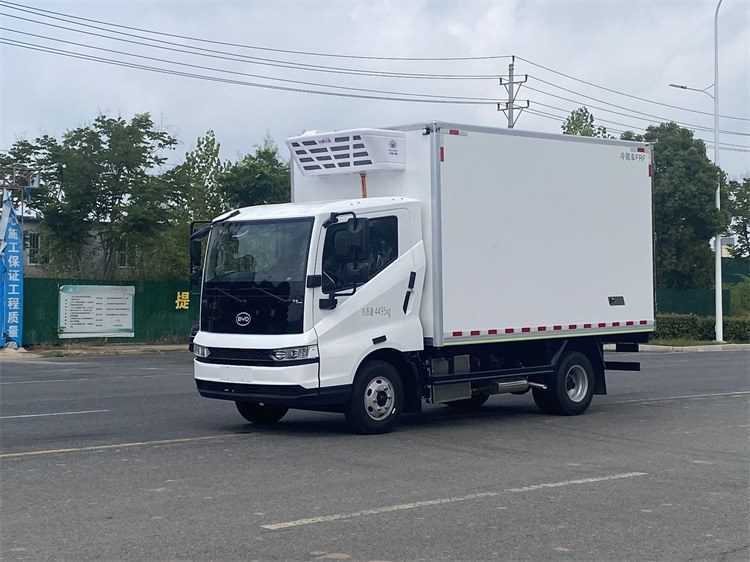
For metro distribution—dairy, bakery, pharma, and supermarket replenishment—compact platforms like the CLW Refrigerated Truck · CL5041XLCBEV and CLW Refrigerated Truck · CL5041XLCBEV offer tight turning circles, low loading decks, fast door-recovery cooling, and quiet electric operation where depot charging exists.
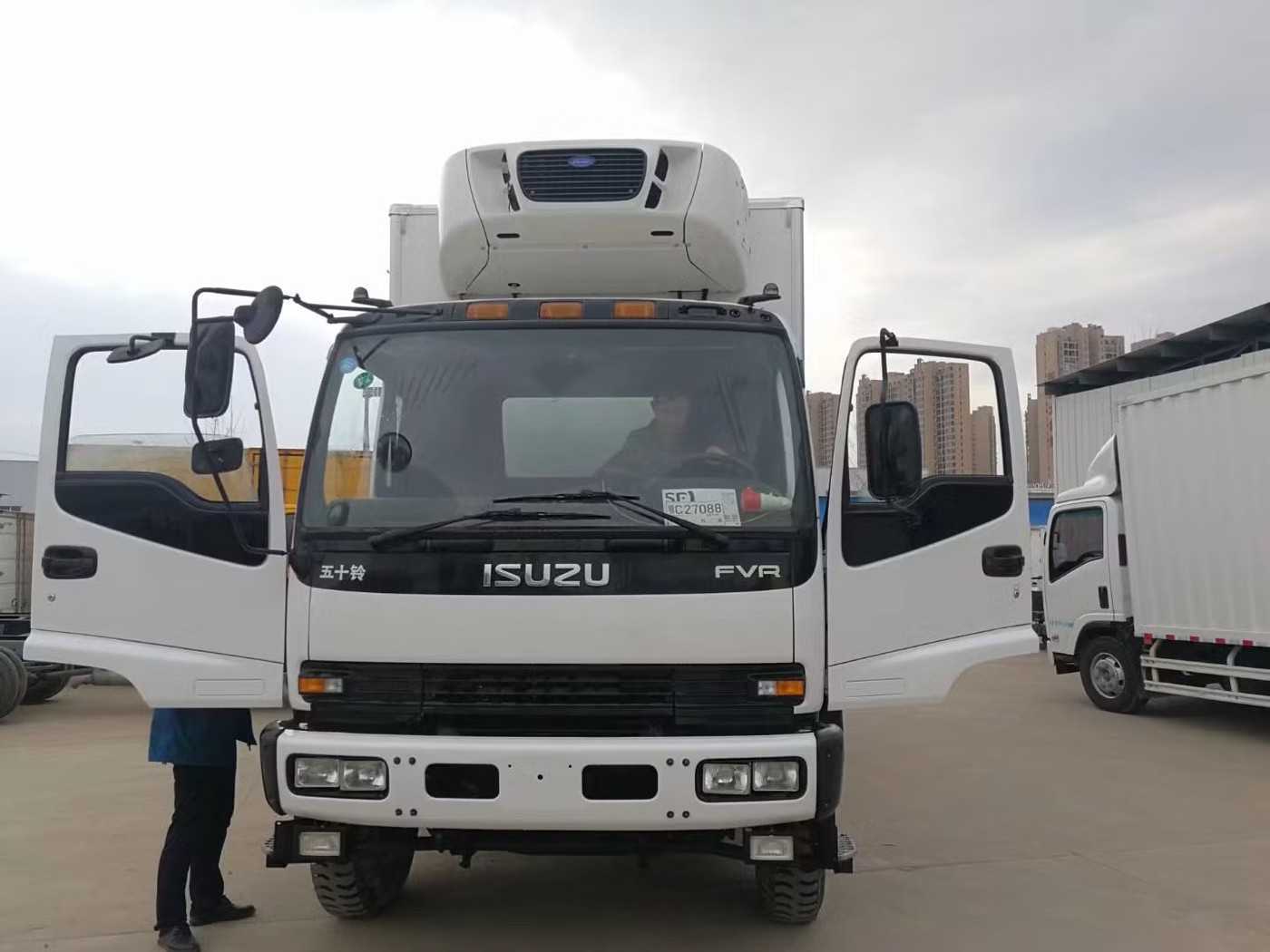
For regional hubs and trunk highways—Mombasa–Nairobi–Kampala, Lagos–Abuja–Kano, Accra–Kumasi, or Dar es Salaam–Lusaka—heavy 4x2 intercity models such as the CLW Refrigerated Truck · ZZ5187XLCN511KF1 and CLW Refrigerated Truck · ZZ5187XLCN511KF1 deliver the GVW margin, pallet volume, and thermal endurance needed for frozen freight under weighbridge axle limits. Browse more options in our refrigerated truck catalog and review ordering steps in our buying guide.
| Selection Parameter | Urban Chiller (3–5 Ton Class) | Regional Distributor (6–8 Ton Class) | Intercity Trunk Reefer (10–15 Ton Class) |
|---|---|---|---|
| Payload & Drive Layout | 1.5–4.5 ton payload; compact 4x2 light-duty | 5–8 ton payload; medium 4x2 wheelbase | 10–15 ton payload; heavy 4x2 or 6x4 chassis |
| Typical Cargo Volume | 12–22 m³ (high door-open frequency) | 26–36 m³ (mixed crates & pallets) | 40–58 m³ (long-haul palletized freight) |
| Cooling Architecture | Direct-drive split or electric urban unit | High-capacity engine-driven + standby plug | Heavy-duty split or independent diesel unit |
| Tropical Insulation | 60–80 mm PU (chilled) / 80–90 mm (frozen) | 80–90 mm PU + PVC strip curtains | 90–105 mm PU + T-floor + dual probes |
| African Route Fit | Metro supermarkets, QSR, pharma last-mile | Peri-urban hubs & secondary towns | Port-to-inland & cross-border corridors |
| Matching CLW Models | CL5041XLCBEV (49171) / CL5041XLCBEV (49174) | Medium 4x2 CLW Reefer Chassis | ZZ5187XLCN511KF1 (49176) / ZZ5187XLCN511KF1 (49177) |
Frequently Asked Questions
How much more does a refrigerated truck cost than a dry box truck?
On the same base chassis, a factory-built refrigerated truck typically carries a 35% to 75% premium over a dry box truck, rising further for heavy independent diesel deep-freeze specs. The spread reflects vacuum-pressed PU panels, 304 stainless hardware, aluminum T-flooring, and the cooling unit. Final pricing follows a written quotation tailored to chassis, temperature target, steering hand, and destination port.
Should African fleets choose engine-driven or independent diesel cooling units?
Engine-driven units cost and weigh less, making them ideal for urban or regional fleets returning to depot daily—especially with an electric standby plug. Independent diesel units are better for 10–15-ton intercity and cross-border routes where customs waits, weighbridge queues, or overnight halts demand uninterrupted -18°C cooling with the truck engine off.
What insulation thickness is needed for frozen meat or fish in 40°C+ African heat?
For deep-frozen freight at -18°C to -20°C in tropical African climates, specify 85–105 mm closed-cell PU foam bonded between FRP skins, multi-lip EPDM door gaskets, an aluminum T-bar airflow floor, and PVC strip curtains. Thinner 60 mm bodies suit only chilled cargo (+2°C to +8°C).
Can CLW build both LHD and RHD reefers with pre-shipment inspection support?
Yes. CLW supplies both LHD chassis for West and Central Africa and RHD chassis for East and Southern Africa, placing curbside doors on the correct pavement side. Our export team also supports factory inspections and destination pre-shipment conformity documentation prior to shipping.
Request a Factory-Direct Reefer or Dry Box Truck Quotation
Send five operational details so our engineers can size the right chassis, insulation thickness, and cooling capacity—and issue a written FOB or CIF quotation to your port:
- Cargo & Temperature Target: Dry ambient freight, chilled (+2°C to +8°C), deep-frozen (-18°C to -20°C), or dual-zone FMCG.
- Payload & Route Class: Urban 3–5 ton multi-drop delivery or 10–15 ton intercity trunk haulage (noting local axle rules).
- Steering & Emission Spec: LHD or RHD steering and required diesel emission level (Euro II / III / V).
- Key Body Options: Curbside side door, stainless meat rails, 220V/380V electric standby plug, PVC curtains, or temperature logger.
- Port & Trade Term: Target port (Apapa, Tema, Mombasa, Dar es Salaam, Beira, Durban) and FOB or CIF preference.