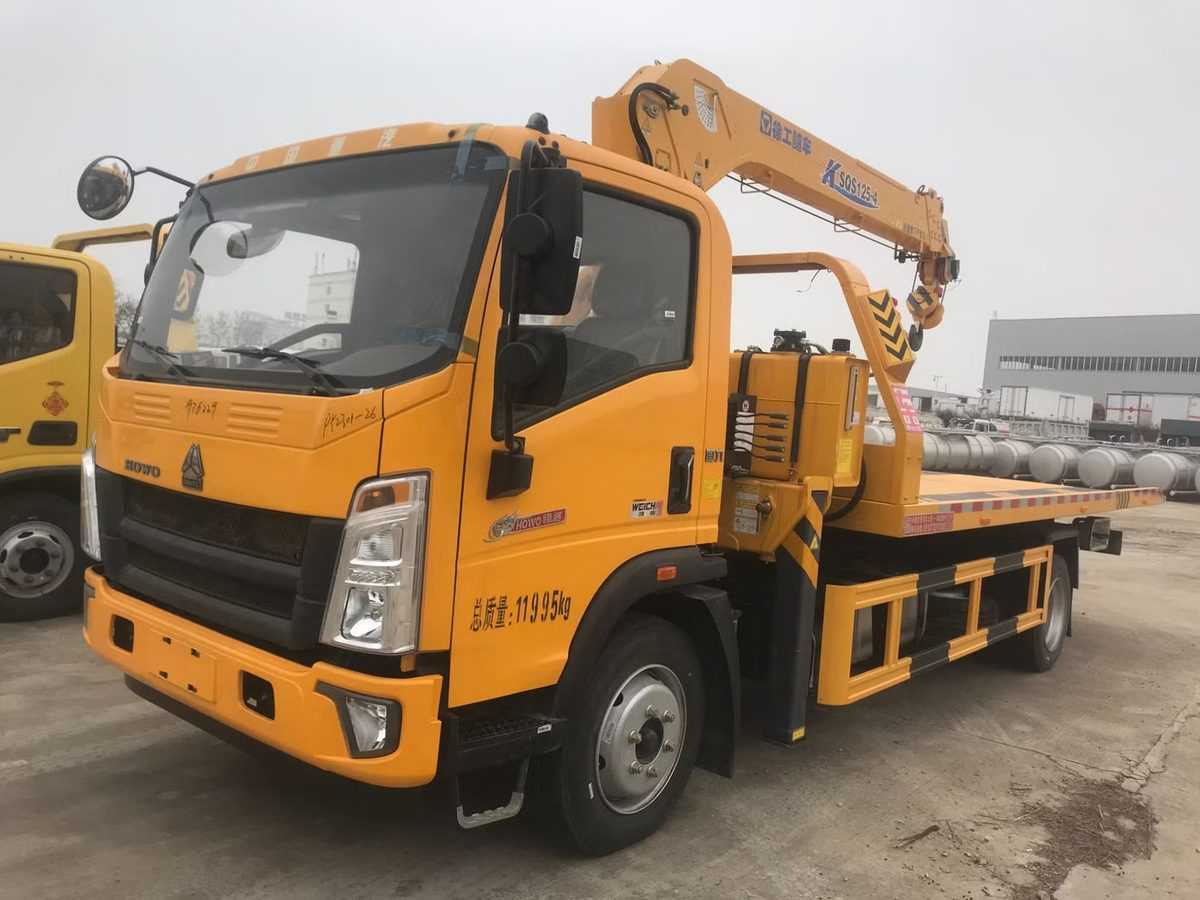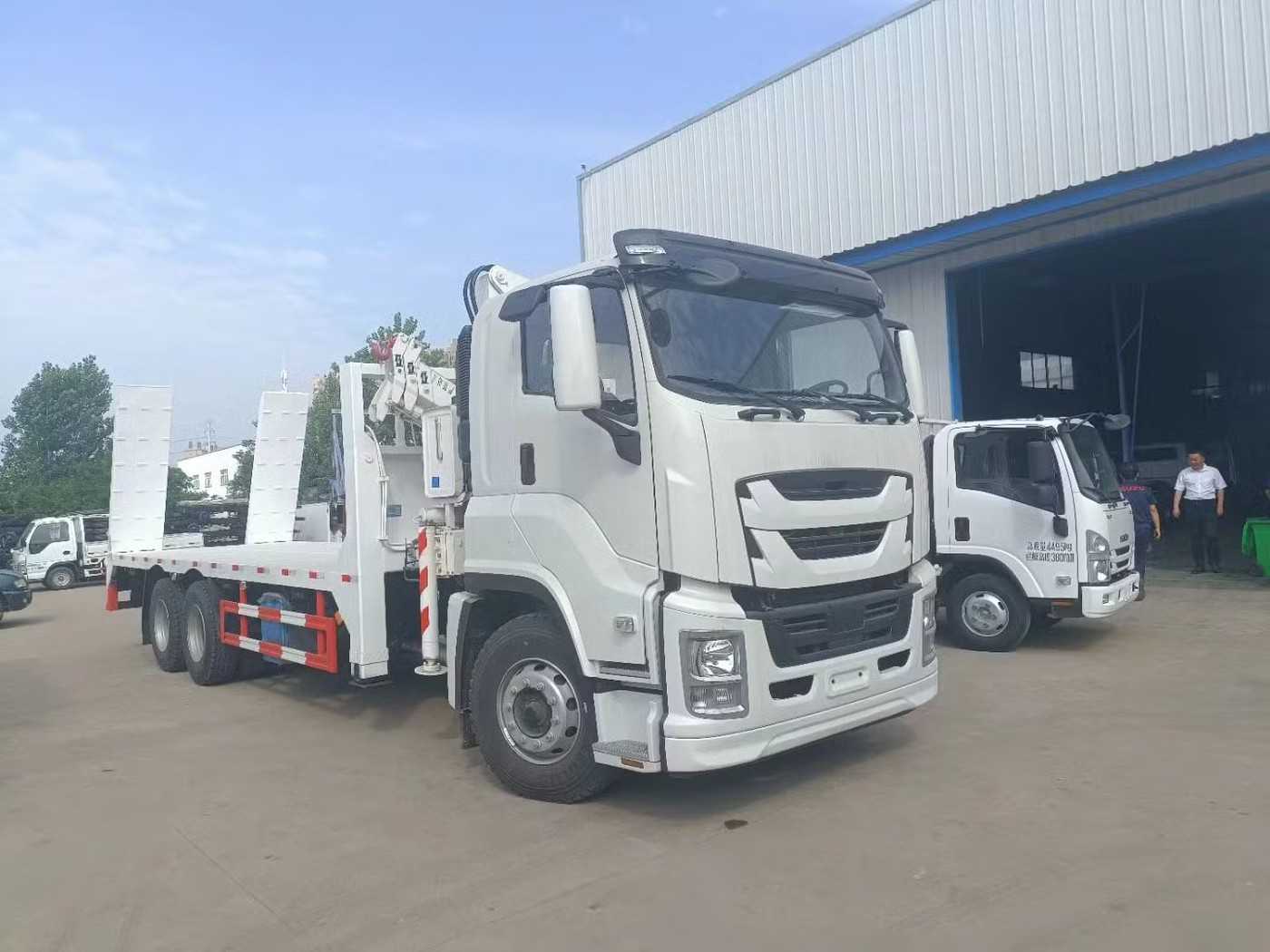
Across Africa’s busiest freight arteries—from the Lagos–Ibadan Expressway and the Northern Corridor linking Mombasa to Kampala, to Southern Africa’s Copperbelt highways—contractors and transport fleets face two very different heavy-moving tasks. One is hauling excavators and wheel loaders between unpaved sites without waiting for a lowbed trailer. The other is clearing jackknifed 40-ton trucks, fuel tankers, and coaches before roadblocks spark severe delays or cargo loss. Because both machines appear when searching for a tow truck for sale, confusing their specifications leads directly to budget overrun or an under-built truck.
Controlling your real heavy duty tow truck price starts with separating chassis, hydraulic superstructure, rigging gear, and ocean freight. Factory-direct pricing from CLW is confirmed via written quotation based on chassis brand, drive layout, steering hand, emission tier, hydraulic valve grade, and destination port. Below is a practical engineering guide to comparing a self loader against a heavy wrecker and budgeting accurately before shipment.
Self-Loader Flatbed vs Heavy Wrecker: Different Jobs, Different Budgets
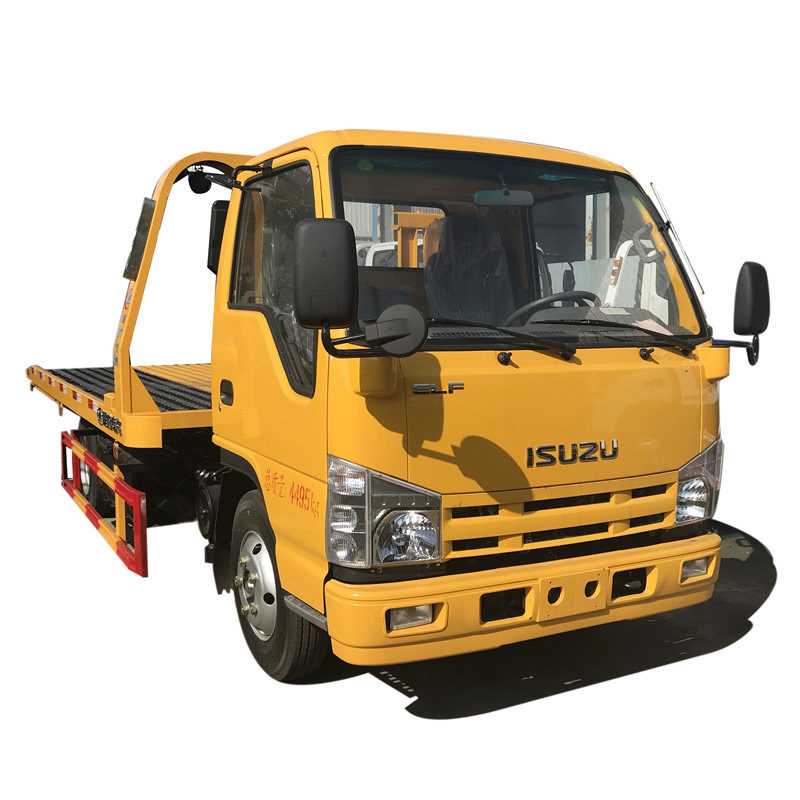
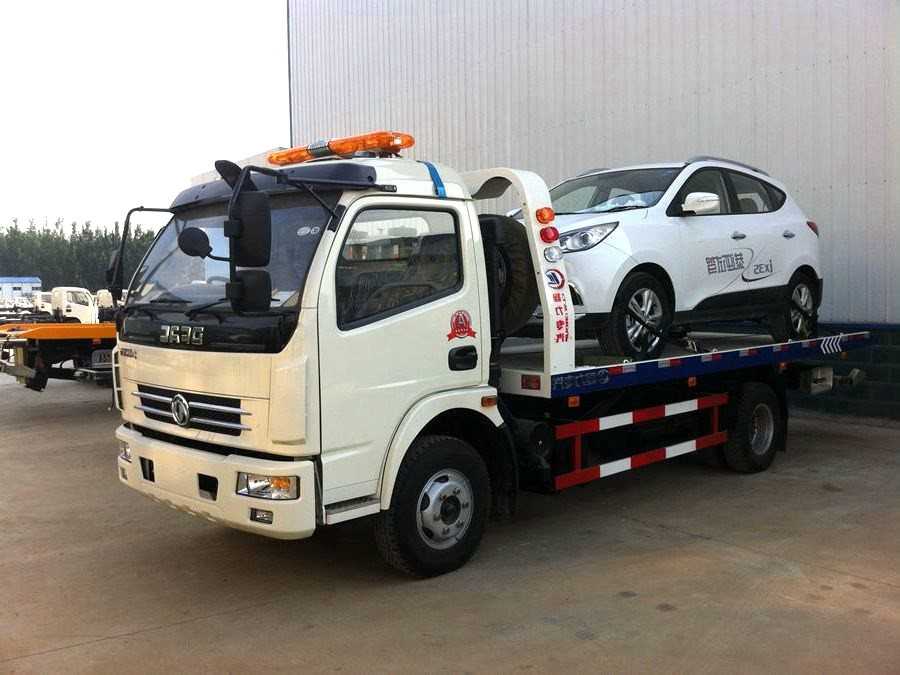
In West and Central African construction fleets—especially in Nigeria, Ghana, and Côte d'Ivoire—a self loader means a rigid 6x4 or 8x4 truck fitted with a reinforced fixed machinery deck, spring or hydraulic folding rear ramps, rear stabilizers, and a deck winch. It moves 12T–30T tracked excavators, wheel loaders, and rollers into tight quarry sites where articulated lowbeds cannot turn. By contrast, a rollback flatbed breakdown truck uses a sliding-tilting bed and light wheel-lift to recover cars, 4x4 pickups, and light vans.
A heavy-duty integrated wrecker serves a far tougher mission. Built on 6x4 or 8x4 chassis, it pairs a multi-stage telescopic boom with dual planetary hydraulic winches, rear hydraulic outriggers, and a heavy underlift to cradle the front axle or frame rails of a disabled prime mover or loaded bus. While a self-loader carries intact machines that climb rear ramps, a heavy wrecker must upright rolled-over tippers out of roadside ditches and tow 30T–60T combined loads safely across steep grades.
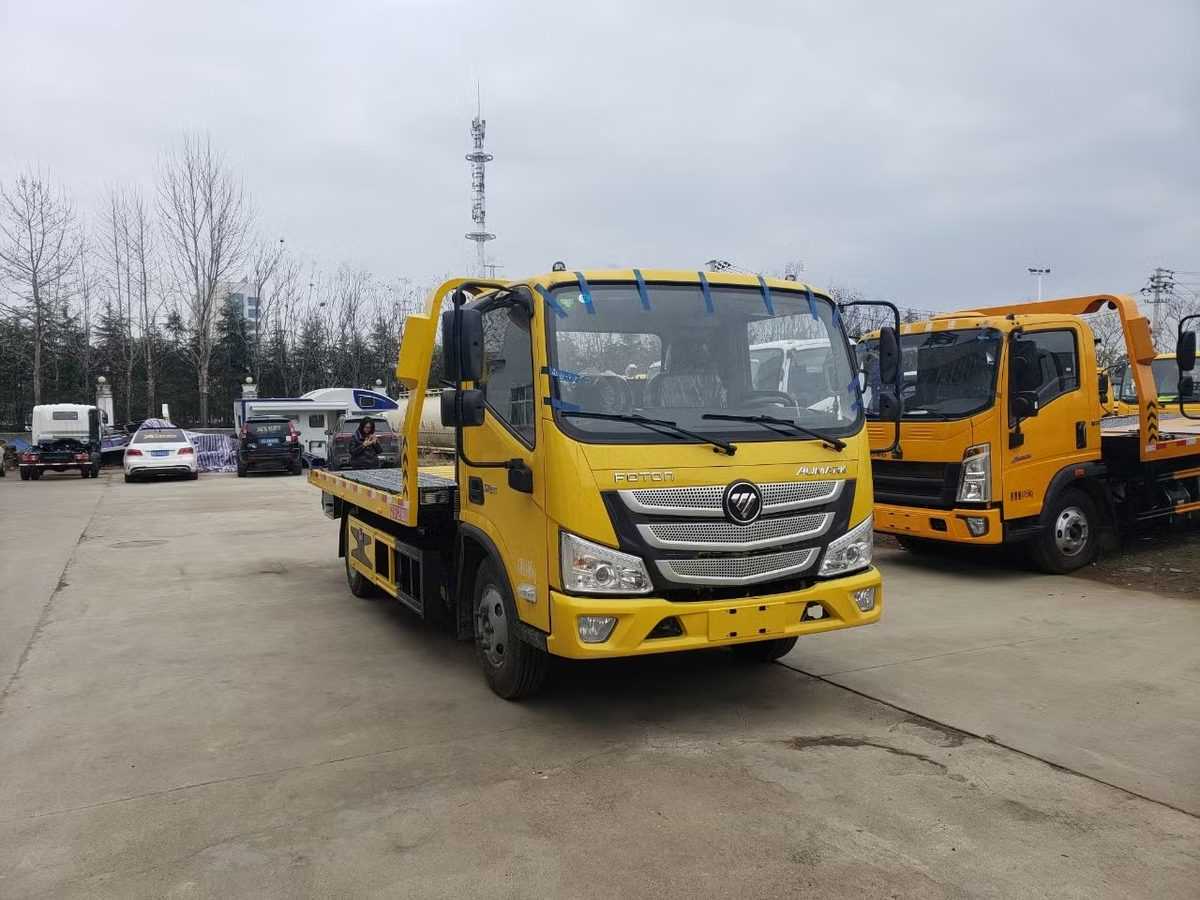
Budget tiers reflect this structural divide. An urban 4x2 rollback like the Foton 4x2 flatbed wrecker truck sits at the entry tier with low operating cost. Mid-range machinery self-loaders and medium wreckers such as the CLW CL5185TQZ6YJ recovery truck sit in the mid tier, priced mainly by deck plate thickness, beam spacing, and chassis GVW. Heavy 6x4 and 8x4 wreckers—including the CL5250TQZ6ZQ 6x4 heavy recovery truck and CL5250TQZ6ZQ heavy wrecker configuration—sit at the upper tier because high-tensile boom steel, dual 15T–25T winches, counterweights, and multi-way valves account for a major share of factory cost.
| Vehicle Type | Typical Drive | Primary African Role | Key Spec Drivers | Budget Tier & CLW Reference |
|---|---|---|---|---|
| Rollback Breakdown Truck | 4x2 (130–190 hp) | Urban car, pickup, and van recovery | Sliding bed length, tilt angle, 4T–6T winch, wheel-lift | Entry tier; Foton 4x2 flatbed wrecker truck |
| Machinery Self-Loader | 6x4 / 8x4 (290–400 hp) | Hauling excavators, loaders, and rollers off-road | 8mm–10mm deck plate, square-tube beams, double-folding hydraulic ramps | Mid tier; full CLW recovery truck lineup |
| Medium Integrated Wrecker | 4x2 Heavy / 6x2 (220–290 hp) | Medium cargo trucks, coasters, municipal trucks | 8T–16T boom/underlift, single or dual 8T–10T winches | Mid-upper tier; CLW CL5185TQZ6YJ |
| Heavy-Duty Wrecker | 6x4 / 8x4 (371–460 hp) | Highway recovery of articulated trucks, tankers, buses | 25T–50T boom/underlift, dual 15T–25T winches, hydraulic outriggers | Premium tier; CL5250TQZ6ZQ & Shacman 8x4 case |
A self-loader with a heavy winch can drag a disabled 6-wheel truck onto its deck, but it cannot safely underlift a loaded tractor-trailer without overloading rear axles or lifting the steer tires. Matching the platform to your primary revenue job—as shown in our Shacman 8x4 heavy wrecker recovery trucks batch—protects axle life and fleet ROI.
Key Specs That Drive Recovery Truck Cost
Two wreckers on the same 6x4 or 8x4 chassis can vary significantly in FOB price. That difference reflects metallurgy, hydraulic origin, winching capacity, and readiness for high-heat African highways.
Underlift Rated Lifting Capacity and Reach
Always verify both retracted and fully extended underlift ratings. An underlift rated at 20T–25T retracted often drops to 8T–10T at full 3-stage extension due to leverage. Longer telescopic reach is vital when recovering long-overhang intercity coaches or low-bumper tractors without crushing radiator grilles.
Underlift geometry also dictates weighbridge compliance under EAC, ECOWAS, and SADC axle-load rules. Suspending a 10-ton disabled front axle shifts cantilevered weight onto the wrecker’s rear tandem while lightening its steer axle. Specifying an 8x4 twin-steer chassis—or factory front counterweights on a 6x4 like the CL5250TQZ6ZQ heavy wrecker—preserves steering grip on wet shoulders and steep climbs.
Boom Steel, Dual 10T–25T Hydraulic Winches, and Wire Rope
Upgrading boom structure from standard Q345B steel to high-tensile HG70/BS700 steel cuts tare weight while boosting side-pull resistance. For highway clearance, dual 10T, 15T, 20T, or 25T planetary hydraulic winches outperform single-winch setups by letting one operator anchor a tilting trailer while uprighting the tractor with the second drum.
Do not economize on wire rope. Entry quotes often include 35m–40m of basic cable, which falls short on deep African highway embankments and borrow pits. Upgrading to 45m–60m of compacted high-tensile wire rope (20mm–28mm diameter) with hydraulic drum tensioners prevents spool tangling and eliminates risky roadside cable splicing.
Italian vs Domestic Multi-Way Valves and Tropical Cooling
Smooth load feathering during delicate recoveries—such as lifting a half-loaded fuel tanker—depends on the directional control valve bank and counterbalance valves. Chinese domestic multi-way valves keep upfront cost competitive and are easy to service locally. Imported Italian multi-way control valves (Hydrocontrol/Walvoil series) raise ex-works price modestly but provide finer spool metering, tighter sealing, lower oil heat, and longer service intervals.
Across Sahel, East African Rift, and Northern Nigerian routes where ambient temperatures exceed 42°C, sustained PTO winching can overheat standard hydraulic circuits past 80°C and harden seals. Adding an oversized oil tank, independent air-blast hydraulic cooler, and multi-stage filtration aligns your build with our tropical dust-proof design standards.
Chassis, Steering Hand, Emissions, and Night Lighting
Chassis brand is the single largest cost block. Most African buyers standardize on SINOTRUK HOWO, SHACMAN, FAW, Dongfeng, or Foton based on local spare-parts networks. Confirm regional compliance early: LHD for Nigeria, Ghana, Senegal, Côte d'Ivoire, Cameroon, DRC, and Ethiopia; factory RHD for Kenya, Tanzania, Uganda, Zambia, Malawi, Mozambique, and South Africa. Review our LHD/RHD guide and emission chassis options—mechanical Euro II/III engines tolerate variable upcountry diesel sulfur far better than SCR systems where AdBlue supply is patchy.
Because many highway recoveries occur at night on unlit roads, specifying a full-width LED amber strobe lightbar, 360-degree rear LED scene floodlights, lit dual-side control cabinets, and reflective chevrons adds minimal cost to the heavy duty tow truck price while sharply cutting secondary collision risk.
| Subsystem | Standard Fleet Spec | Heavy-Duty Upgrade | Cost & Operational Impact |
|---|---|---|---|
| Underlift & Boom | Q345B steel, 2-stage underlift | HG70 steel, 3-stage extended underlift + front counterweight | Moderate-high cost step; safer bus clearance & axle balance |
| Hydraulic Winches | Dual 10T–15T winches, 40m cable | Dual 20T–25T planetary winches, 50m–60m compacted rope + tensioners | Major cost driver; mandatory for 40T ditch extractions |
| Multi-Way Valves | Domestic Chinese valve bank | Italian multi-way valves + air-blast hydraulic oil cooler | Moderate increase; smoother metering & longer seal life in 45°C heat |
| Self-Loader Deck | 8mm plate, spring-assist ramps | 10mm checkered deck, twin-cylinder double-folding hydraulic ramps | Moderate increase; faster loading of 25T–30T tracked machines |
| Night Lighting | Standard lightbar & 2 rear lamps | Full-width LED strobe bar, 4–6 floodlights, lit control boxes | Low cost impact; major nighttime highway safety gain |
Match your wrecker’s engine, Fast Gear transmission, and hub-reduction axles to the tippers and tractors already common in your country. Waiting weeks for a non-standard PTO shaft or clutch servo costs a busy recovery operator far more in lost call-outs than the upfront gap between two chassis quotes.
Essential Towing Accessories Pack
A heavy wrecker delivered without a complete rigging kit cannot earn revenue on day one. First-time buyers who approve bare-bones quotes often struggle at port arrival when facing bent axles or locked air brakes. Specify a complete forged accessories kit stowed inside lockable side toolboxes:
- Multi-Size Axle & Frame Forks: 4 to 6 pairs of forged U- and L-shaped forks sized for tubular axles, square I-beam axles, and frame rails so disabled trucks stay locked across rough junctions.
- Leaf-Spring & Suspension Brackets: Dedicated spring-hanger and U-bolt receiver forks to lift trucks cleanly by the suspension when front axle housings are fractured.
- Tire-Lift Grids & Heavy Tie-Down Straps: Galvanized wheel-lift crossbars with 5T–10T polyester ratchet straps and wear sleeves to lock tires into the underlift or secure wheeled machinery on a self-loader.
- Auxiliary Dolly Wheels: Heavy compact bogie sets mounted beneath missing or seized hubs so disabled vehicles roll cleanly onto a deck or clear active lanes.
- Auxiliary Air-Brake Lines & Glad-Hand Couplers: 15m–20m coiled air hoses with universal palm couplers tapped into the wrecker’s air reservoir, allowing crews to release spring parking brakes and operate towed service brakes synchronously instead of manually caging chambers in live traffic.
- Rigging & Stabilizer Pads: Grade-80 safety chains, 15T–25T snatch blocks to double line pull or redirect pull angles, D-shackles, heavy outrigger ground pads for soft soil or hot asphalt, and wireless rear tow lights.
Dragging a heavy tractor with partially locked spring brakes destroys tires, overheats clutches, and stresses towing forks. Verify in writing that coiled air-supply hoses, glad-hand couplers, Grade-80 chains, and winch-matched snatch blocks appear on your factory packing list.
Shipping Heavy Wreckers via Ro-Ro vs Flat-Rack
Ocean freight and port clearance make up a major share of landed cost when importing a tow truck for sale into Africa. Deciding between Ro-Ro vessels and 40-foot Flat-Rack (40FR) containers hinges on vehicle height, length, and discharge port schedules.
Ro-Ro Shipping is typically the lowest-cost, lowest-risk method for complete 4x2, 6x4, and 8x4 wreckers and self-loaders. Units drive directly onto enclosed vessel decks away from salt spray without crane disassembly. Regular sailings connect Shanghai, Tianjin, and Lianyungang to Apapa/Tin Can Island, Tema, Abidjan, Mombasa, Dar es Salaam, Durban, Walvis Bay, and Maputo. Freight is priced per cubic meter (CBM), and deck heights (commonly 3.8m–4.2m) matter: folding or cab-packing the roof lightbar before embarkation avoids high-and-heavy surcharges.
40-Foot Flat-Rack (40FR) Containers fit routes with infrequent Ro-Ro calls—such as seasonal schedules into Beira, Djibouti, or Pointe-Noire—or urgent deliveries where container-liner frequency beats per-unit savings. Expect out-of-gauge (OOG) fees if boom overhangs or widths exceed standard gauges, plus port crane and lashing charges.
Always budget the full FOB-to-landed stack: marine insurance (under CIF terms), mandatory pre-shipment inspections such as Kenya KEBS PVoC, Tanzania TBS PVoC, Nigeria SONCAP/Form M, or Zambia ZABS, terminal handling, and customs duties. Many African tariff schedules classify specialized breakdown vehicles (HS 8705) differently from cargo trucks (HS 8704); verifying tariff codes with your clearing agent before bill-of-lading issuance prevents costly port demurrage. See our payment and shipping guide and import compliance overview for full incoterm details.
Frequently Asked Questions on Heavy Tow Trucks & Self-Loaders
What determines the final heavy duty tow truck price from CLW?
Final cost follows a written quotation driven by five factors: chassis brand and horsepower, drive layout (4x2/6x4/8x4) and LHD/RHD steering, body type and tonnage (self-loader vs 20T–50T wrecker), hydraulic grade (domestic vs Italian valves and dual winch ratings), and FOB versus CIF shipping terms.
Can one self-loader carry a 25-ton excavator and also handle heavy highway towing?
An 8x4 self-loader with a 10mm deck and hydraulic ramps easily hauls a 20T–25T excavator and winches disabled rigid trucks onto its deck, but it cannot safely underlift loaded articulated trucks or pull rolled-over tankers from ditches. Frequent highway clearance requires a dedicated integrated wrecker.
Should African operators choose Euro II/III or Euro V engines?
Unless local customs mandates Euro IV/V imports, Euro II or Euro III engines remain preferred across most African corridors. They handle variable diesel sulfur reliably, avoid AdBlue shortages upcountry, and simplify roadside repairs.
What pre-shipment checks and documents come with each unit?
CLW completes hydraulic pressure tests, winch line-pull checks, full boom/underlift cycling, and road testing with buyer photo/video verification before dispatch. Commercial shipping documents, chassis certificates of origin, and factory quality documentation accompany export, while country-specific inspections and road registrations follow destination rules.
How to Brief CLW for an Accurate Wrecker Quote
A vague inquiry for a “heavy tow truck” forces engineers to guess your routes and delays accurate pricing. Whether purchasing one municipal breakdown truck, expanding a highway fleet, or bidding a contractor tender via our tender support service, sending a concise brief yields a buildable spec and realistic FOB/CIF quote immediately. You can also review our factory-direct ordering process before submitting your request.
5-Point Brief for Your CLW Wrecker or Self-Loader Quote
Share these five details so our engineers match the right chassis, hydraulics, rigging kit, and shipping method:
- Target Machines or Towed Vehicles: State your heaviest load (e.g., 22T excavator on a self-loader) or heaviest breakdown (e.g., 40T loaded tractor-trailer or coach).
- Country, Steering & Emission Rule: Confirm destination country, LHD/RHD steering, and allowed emission standard (Euro II, III, or V).
- Chassis & Hydraulic Preference: Name local-support brands (SINOTRUK, SHACMAN, FAW, Dongfeng, Foton) and domestic vs Italian multi-way valves with oil cooling.
- Accessories & Lighting Pack: Confirm forged forks, air-brake coupler kit, snatch blocks, dolly wheels, and LED night lighting.
- Port & Delivery Term: Specify discharge port (Apapa, Tema, Mombasa, Dar es Salaam, Durban, Beira) and FOB China or CIF Ro-Ro / Flat-Rack terms.